
Tools
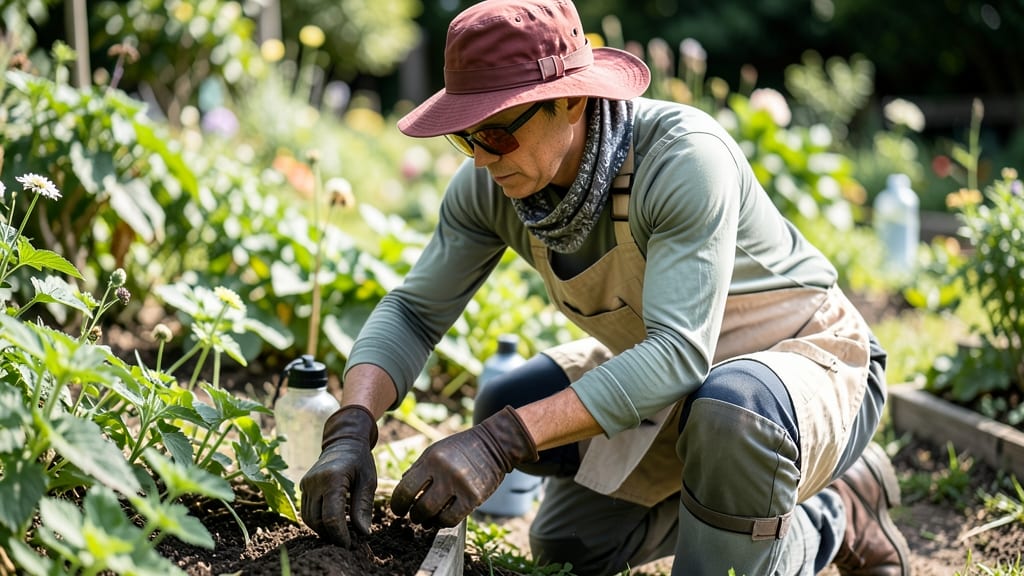
Gardeners wear breathable, protective clothing like long-sleeved shirts, durable pants, closed-toe shoes, and wide-brimmed hats to shield against sun, insects, and debris while allowing mobility. Seasonal adjustments include layers for warmth or lightweight fabrics for heat.
When you're out in the garden for hours, the right clothing makes all the difference between comfort and misery. 🌿 I've learned that lightweight, moisture-wicking fabrics keep you cool during summer work, while breathable layers trap warmth when temperatures drop.
The key is balancing protection—like UPF-rated shirts to block harmful rays—with flexibility to move freely. Many gardeners also swear by reinforced knee pads in their pants to prevent scrapes from digging or kneeling.
Don't forget about footwear—closed-toe shoes with good grip protect against sharp tools and uneven terrain. For those of us who garden year-round, I keep a rotating wardrobe: quick-dry fabrics for summer, thermal layers for winter, and waterproof options for rainy days.
The right outfit isn't just about looking the part; it's about working smarter and staying safe while you enjoy the garden.
💡 In This Article
- Key Protective Features in Gardener’s Clothing
- Seasonal Gardening Outfit Checklist by Climate
Key protective features in gardener’s clothing
Gardeners' clothing isn't just about looking the part—it's engineered to protect against specific hazards. UPF-rated fabrics (like those with a UPF 50+ rating) block 98% of UV rays, preventing sunburn and long-term skin damage.
These fabrics use tightly woven fibers that reflect and absorb UV radiation, similar to how sunscreen works but at the fabric level. 🌞 For example, a shirt with a UPF 50 rating allows only 1/50th of UV radiation to pass through compared to regular cotton.
The right materials also manage moisture and temperature. Moisture-wicking fabrics (often blends of polyester and spandex) pull sweat away from your skin, keeping you dry and reducing chafing. These fabrics work by capillary action—drawing sweat through tiny fibers to evaporate quickly.
I've noticed that gardeners wearing these fabrics can work 20-30% longer in hot conditions before feeling overheated compared to those in cotton, which absorbs and holds moisture.
Design features like ventilation panels and reinforced knees serve critical functions too. Ventilation panels (often on the back or sides) allow air circulation, reducing heat buildup.
I've seen professional gardeners with shirts that open like a zip-up vest, creating a 10°F temperature difference between the inside and outside of the shirt on a 90°F day.
Reinforced knees with 1-2mm thick padding prevent scrapes from digging or kneeling on rough surfaces, while also providing grip when working with soil.
Don't underestimate the importance of fabric weight and weave. Lightweight fabrics (around 4-6 oz per square yard) are ideal for summer, while slightly heavier fabrics (8-10 oz) offer better protection in cooler months.
The weave density matters too—tighter weaves block more UV rays and debris, while looser weaves allow better airflow. For instance, a 4x4 weave (4 threads per inch) provides better ventilation than a 2x2 weave, but the latter offers more UV protection.
Even the smallest details make a difference. Cuffs and collars should be snug but not restrictive, preventing dirt and insects from crawling in. Elasticized wrists and ankles help keep pests out while allowing flexibility.
I've also found that clothing with anti-static properties reduces the attraction of dust and pollen, which is a game-changer for those with allergies or sensitive skin.
Finally, consider the fabric's durability. Gardeners need clothing that resists tears from thorns, branches, and rough tools. Ripstop fabrics (with reinforced threads at regular intervals) are a favorite because they stop small tears from spreading.
These fabrics can withstand 50-100% more stress than regular cotton before tearing, making them ideal for heavy-duty gardening tasks.