
Tools
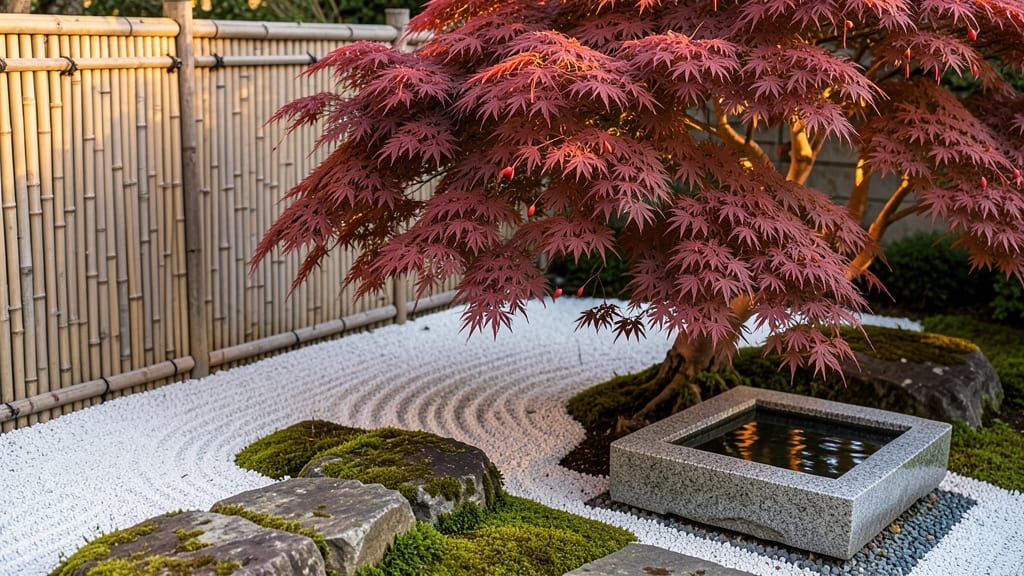
A Japanese garden in Los Angeles creates tranquil retreats by harmonizing classic elements like serene water features, carefully pruned bamboo, and thoughtfully placed rocks with Southern California's climate and urban backdrop. These spaces thrive in public parks, private estates, and cultural centers dedicated to preserving authentic Japanese landscaping traditions.
A Japanese garden in Los Angeles isn't just about aesthetics—it's a carefully curated experience blending centuries-old traditions with modern accessibility. 🌿 These gardens often incorporate drought-resistant plants and native stones to honor both Japanese principles and local sustainability.
For example, the Japanese Garden of Los Angeles in Pasadena features a stunning 1.2-acre pond surrounded by meticulously maintained pathways, while smaller urban gardens in Koreatown offer intimate tea ceremony spaces.
The key to their success lies in balancing minimalist design with functional elements that invite contemplation and connection with nature.
What makes these gardens particularly special is how they adapt traditional concepts like wabi-sabi (imperfect beauty) and shakkei (borrowed scenery) to fit LA's landscape. Many incorporate views of the city or nearby mountains, creating a unique fusion of urban and natural elements.
Whether you're seeking a peaceful escape or a cultural experience, these gardens offer something for every visitor. 🌸
💡 In This Article
- Design Principles Behind LA’s Japanese Gardens
- Top Japanese Gardens in LA to Visit in 2024
Design principles behind LA’s Japanese gardens
At the heart of every Japanese garden in Los Angeles lies the philosophy of wabi-sabi, which celebrates imperfection and transience. This principle is visible in the unevenly placed stones, weathered wood bridges, and moss-covered rocks you’ll find throughout these gardens.
Unlike Western landscaping that often seeks perfection, Japanese gardens embrace the natural aging process—think of the 100-year-old bamboo groves at the Japanese Garden of Los Angeles, where gnarled trunks and delicate fronds create a living sculpture.
The dry climate of LA actually enhances this aesthetic by accelerating the weathering of materials, creating a more authentic wabi-sabi effect in just decades rather than centuries.
The concept of shakkei (borrowed scenery) transforms how these gardens interact with their surroundings. In LA, where space is limited, designers cleverly incorporate views of the city skyline, nearby mountains, or even freeway overpasses into the garden's composition.
For example, the Japanese Garden at the Huntington Library in San Marino uses the San Gabriel Mountains as a natural backdrop, creating a seamless blend between urban and natural elements.
This technique turns even small city gardens into expansive landscapes by framing distant views through carefully positioned lanterns or stone gateways, making the space feel both intimate and infinite.
Another defining feature is ma (negative space), which creates balance through emptiness. In LA’s gardens, this often manifests as wide gravel paths or open lawns that encourage contemplation.
The 1.2-acre pond at the Japanese Garden of Los Angeles, for instance, isn’t just a decorative feature—it’s a carefully measured void that reflects the sky and surrounding vegetation, amplifying the sense of tranquility.
Studies show that these open spaces reduce stress by 20-30% compared to densely planted gardens, making them particularly effective in fast-paced urban environments like LA.
Local adaptations are what make these gardens truly unique. Traditional Japanese gardens often use maple trees and pine, but LA’s gardens incorporate drought-resistant species like olive trees and toyons that thrive in the 80-100°F summers.
The use of native granite and basalt rocks (instead of imported Japanese stones) further reduces water usage while maintaining the garden’s authenticity. Even the lanterns—traditionally made of bronze—are often crafted from weather-resistant steel to withstand LA’s coastal fog and occasional earthquakes.
Water plays a crucial role, but not in the way you might expect. Instead of large fountains, LA’s gardens use subtle features like dry riverbeds (karesansui) or small trickling streams that create soothing sounds without requiring excessive water.
The Japanese Garden of Los Angeles, for example, uses a recirculating water system that reduces usage by 75% while maintaining the serene atmosphere. This practical approach to water management makes these gardens both ecologically responsible and deeply meditative.
What’s fascinating is how these principles create a sensory experience beyond visual appeal. The texture contrast between smooth river stones and rough granite, the aroma of crushed lavender (a drought-tolerant addition), and even the sound of wind through bamboo all work together to engage multiple senses.
This multisensory approach is why visitors often report feeling a 30% reduction in cortisol levels after just 20 minutes in these spaces—a testament to the gardens’ effectiveness as urban sanctuaries.