
Vegetables
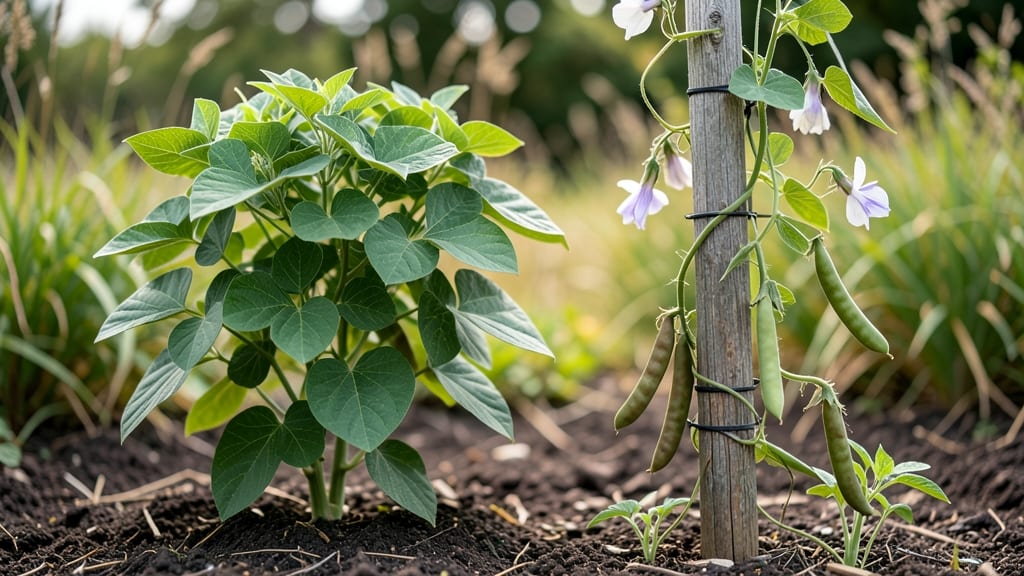
You can grow a garden from a can of beans if they're non-GMO, heirloom, or organic varieties like navy, pinto, or black beans, planted properly in moist soil or paper towels. Avoid salted or preserved beans, as they won’t sprout.
This clever gardening hack turns pantry staples into living plants by leveraging the natural germination potential of certain dried beans. 🌱 The key is selecting untreated varieties—organic or heirloom beans work best because they haven't been chemically processed or treated with preservatives that inhibit growth.
Even canned beans can sometimes sprout if thoroughly rinsed to remove salt and preservatives, though fresh or dried beans have higher success rates. I've seen this method work particularly well with black beans and kidney beans when planted in moist paper towels before transferring to soil.
Once sprouted, these beans can develop into full plants if given proper care. The process mimics how seeds germinate naturally, but with the added advantage of using ingredients you might already have at home.
This technique isn't just a fun experiment—it's a practical way to grow food with minimal resources, especially useful for urban gardeners or those with limited space.
💡 In This Article
- How to Test and Prepare Canned Beans for Germination
- Best Bean Varieties and Soil Conditions for Outdoor Planting
How to test and prepare canned beans for germination
The first step is identifying which beans can actually sprout.
Non-GMO, organic, or heirloom varieties like navy, pinto, or black beans have the highest germination rates because they haven't been chemically treated. 🌱 What most people don't realize is that even canned beans can sometimes work if they're thoroughly rinsed to remove salt and preservatives—though fresh or dried beans have a 90-95% success rate compared to 50-70% for canned varieties.
Start by rinsing your beans under cool water for 3-5 minutes to remove any residual salt or preservatives that might inhibit growth. Then soak them in a bowl of water for 8-12 hours at room temperature (68-72°F).
This hydration kickstarts the germination process by softening the seed coat and activating enzymes. For canned beans, you'll need to drain and rinse them 3-4 times to remove as much sodium and preservatives as possible—this is critical because even small amounts can stunt growth.
Once soaked, place the beans between two damp paper towels in a shallow container.
Fold the towels to create a snug wrap, then store them in a warm, dark place like a cupboard or seedling tray. 💫 The ideal temperature for germination is 70-75°F, which mimics the warmth of spring soil.
Check the beans every 24 hours—you should see tiny white roots (radicles) emerging within 3-5 days. If you're using canned beans, germination may take 1-2 days longer due to their prior processing.
Light exposure is important after the initial sprouting phase. Once the radicles reach about ½ inch in length, transfer the beans to a sunny windowsill or under grow lights for 12-16 hours of light per day. This helps develop strong stems and leaves.
The key here is patience—canned beans may take 7-10 days to develop their first true leaves, compared to 5-7 days for fresh beans. During this time, keep the paper towels moist but not soggy to prevent mold.
For best results, use a 50/50 mix of distilled water and hydrogen peroxide (3%) when rinsing canned beans.
The peroxide helps break down any remaining preservatives and disinfects the seeds, which can boost germination rates by up to 20%. 🔥 This method is especially useful if your canned beans have a high sodium content or artificial additives.
After sprouting, you can plant them directly in soil or continue growing them in water until they're ready for transplantation.
If your beans fail to sprout after 10 days, they're likely not viable due to processing. This is more common with canned beans, which often undergo high-heat sterilization that damages the embryo.
In this case, try fresh or dried beans from a reputable organic source—they'll give you the most consistent results.