
Pests
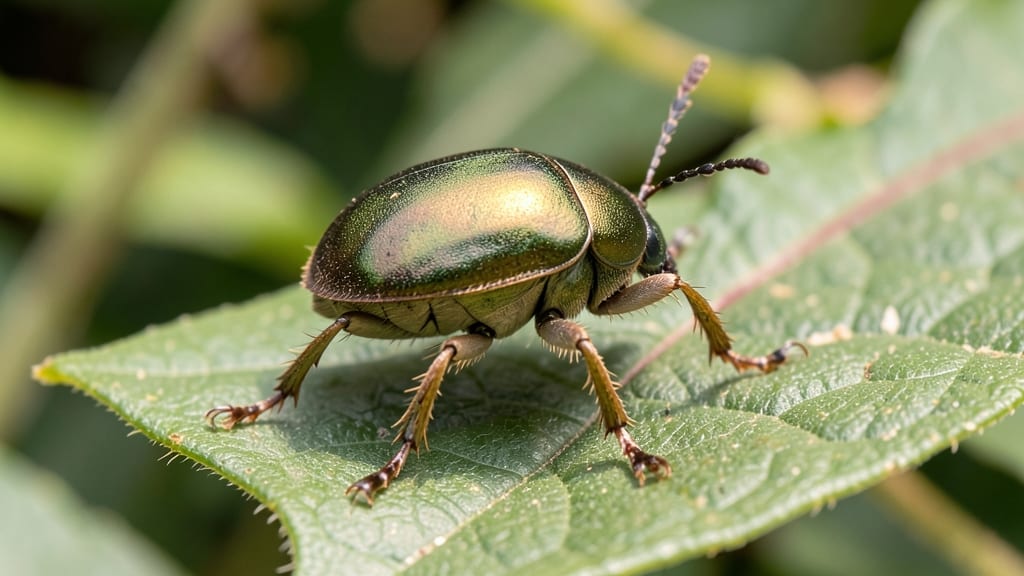
The Asiatic garden beetle is a sneaky, destructive pest 🐛 that can turn your thriving garden into a chewed-up mess if you don’t catch it early.
Picture this: you’re out watering your prized roses, and suddenly, you spot jagged holes in the leaves or wilted plants that refuse to bounce back. That’s the work of these invasive beetles, which feast on roots, stems, and foliage, leaving behind a trail of damage that’s hard to ignore.
But here’s the good news: with the right identification tricks and a few simple traps, you can stop them in their tracks before they ruin your hard-earned harvest.
I’ll walk you through how to spot these pests, the most effective ways to trap and eliminate them, and even some long-term strategies to keep your garden safe.
Whether you’re dealing with larvae munching underground or adults stripping your plants above, this guide gives you the tools to take back control—without harsh chemicals.
How to identify Asiatic garden beetle larvae and adults in your garden
The Asiatic garden beetle (Anomala orientalis) is a relentless invader that targets lawns, vegetables, and ornamental plants. These pests thrive in warm climates but are expanding their range, so knowing their physical traits and damage patterns is key to early detection.
I’ve seen firsthand how quickly they can turn a thriving garden into a chewed-up mess—don’t wait until it’s too late to act.
Adult beetles emerge in late spring to early summer, while their grub larvae overwinter in soil, feeding on roots year-round. The damage they cause—ragged leaves, wilted plants, and grub tunnels in soil—often looks like other pest problems.
But with these distinctive signs, you’ll spot them before they spread.
| Feature | Adult Beetle | Larva (Grub) |
|---|---|---|
| Size | ½ to ⅝ inch long | 1 to 1.5 inches long |
| Color | Metallic green or bronze | White with brown head |
| Active Season | May to August | Year-round (overwinters in soil) |
| Damage Type | Chewed leaves, notched edges | Root damage, wilted plants, soil tunnels |
| Time of Day Active | Dusk to dawn (hides during day) | Nighttime feeders |
| Key Identification | Shiny exoskeleton, 6 legs | Curved body, no legs (until pupation) |
Adult Asiatic garden beetles are most active at dusk and dawn, which is why you might spot them flying toward lights or feeding on foliage after sunset. Look for irregular holes in leaves—unlike Japanese beetles, they leave notched edges rather than clean cuts.
Their metallic green or bronze bodies make them stand out against dark leaves.
Larvae, or grubs, are the real hidden destroyers. They burrow into soil, feeding on grass roots and vegetable crops like carrots or potatoes. If you see yellowing lawn patches that pull up easily (like sod), or stunted plants with no obvious above-ground damage, grubs are likely the culprit.
Dig up a small section of soil—if you find white, C-shaped grubs, you’ve got an infestation.
One of the most tell-tale signs of Asiatic garden beetle activity is wilted plants that don’t recover after watering. Since grubs sever roots, plants lose their ability to absorb moisture.
Check the soil surface for tiny holes or fecal pellets (dark, grainy droppings). These are clear indicators that grubs are munching underground.
I recommend inspecting your garden weekly during peak season (May through August). Focus on areas with thick mulch, overwatered soil, or recently disturbed ground, as these attract grubs. Early detection means you can treat the problem before it escalates—whether with natural predators or targeted soil treatments.
If you’re unsure whether you’re dealing with Asiatic garden beetles or another pest, compare your findings to this side-by-side guide. For example, Japanese beetle larvae (grubs) are brown, not white, and chafer beetles have a more rounded body shape.
The key is paying attention to color, size, and damage patterns—these details make all the difference in choosing the right treatment.
Once you’ve confirmed an infestation, act fast. Adult beetles lay eggs in late summer, which hatch into grubs by fall—meaning next year’s damage could be even worse. Use what you’ve learned to monitor high-risk areas and intervene early with the most effective methods for your garden’s needs.
Remember, the earlier you identify Asiatic garden beetles, the easier it is to control them. With this knowledge, you’ll be ready to protect your plants before they become a full-blown crisis. 🌱
Best traps and natural remedies to eradicate Asiatic garden beetles
Once you’ve confirmed those Asiatic garden beetles are wreaking havoc, it’s time to act fast with targeted solutions. These pests respond well to organic methods, but timing and consistency are key.
Start with beer traps, which are the easiest DIY solution for adults, while neem oil and beneficial nematodes tackle larvae in the soil.
The most effective approach combines trapping adults and targeting larvae simultaneously. Beer traps lure adults, while nematodes and neem oil disrupt their life cycle. For best results, implement these remedies during late spring to early summer, when beetles are most active.
To create a DIY beer trap, fill a shallow container with beer or apple cider vinegar and bury it so the rim is level with the soil. The scent attracts adults, who drown within 24 hours.
Place traps near infested areas or lawn edges for maximum effectiveness. Refresh the liquid every 3-4 days for continuous results.
For larvae control, apply neem oil directly to the soil surface after watering. Mix 2 tablespoons of neem oil with 1 quart of water and a few drops of dish soap as an emulsifier.
Spray thoroughly, focusing on grassy areas and garden beds. Reapply every 7-10 days during peak activity (June-July).
Beneficial nematodes are the heavy hitters for long-term eradication. These microscopic worms seek out and kill grubs and larvae in the soil. Apply them in the early evening when temperatures are below 85°F, using a garden hose to distribute the solution evenly. Water the area lightly afterward to help nematodes penetrate the soil.
Combine these methods for a 360-degree defense. Start with beer traps to reduce adult populations, then treat the soil with nematodes and neem oil to eliminate larvae.
Monitor your garden weekly and adjust treatments based on beetle activity levels. With persistence, you can reclaim your garden in just a few weeks! 🌱