
Fertilization
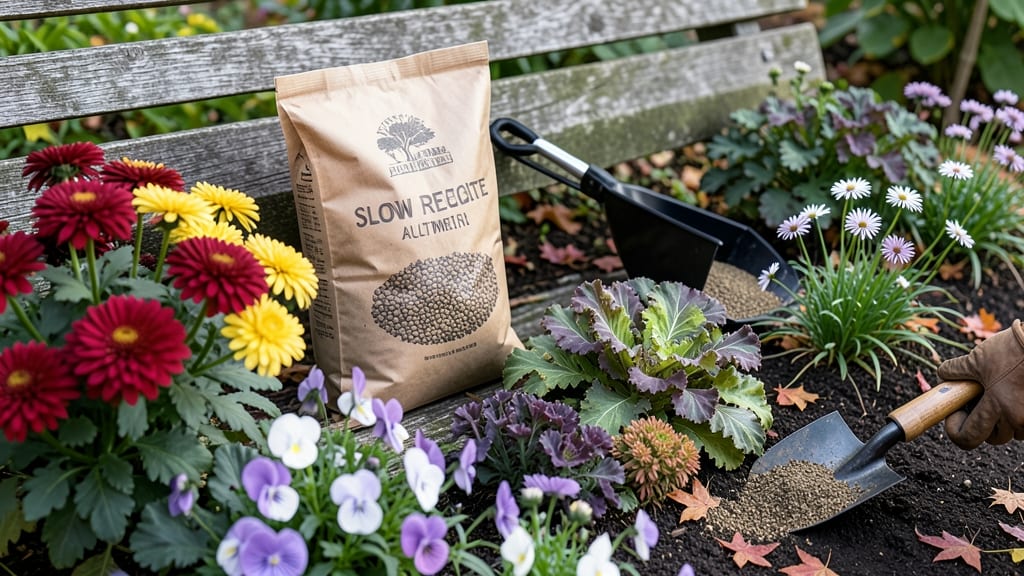
Autumn fertilizer for gardens strengthens root systems, improves soil structure, and helps plants store nutrients for winter survival. Focus on organic slow-release options like compost or bone meal, applied 4-6 weeks before the first frost.
This late-season feeding gives plants the energy they need to endure cold weather. 🌿 The right nutrients—like phosphorus for roots and potassium for disease resistance—help plants develop thicker cell walls and deeper root systems.
I’ve seen firsthand how autumn fertilization can make perennials bounce back stronger in spring, especially when using balanced organic options that won’t burn tender roots.
Timing matters most—applying too early risks encouraging new growth that won’t harden off before winter, while waiting too late may leave plants vulnerable. The 4-6 week window before frost gives plants just enough time to absorb nutrients without flushing growth.
For best results, pair your fertilizer with a layer of mulch to lock in moisture and temperature stability.
💡 In This Article
- Why Autumn Fertilizing Boosts Plant Resilience
- Best Organic Autumn Fertilizers for Different Garden Types
Why autumn fertilizing boosts plant resilience
Autumn fertilization works its magic by triggering a cascade of biological responses in plants.
When you apply nutrients like phosphorus and potassium before winter, roots actively grow and store carbohydrates—think of it as plants building a "nutrient bank" for dormancy. 🌱 This process, called root hardening, strengthens cell walls and increases cold tolerance.
Studies show plants fertilized in autumn can endure 10-15°F colder temperatures than unfertilized counterparts, thanks to higher sugar content in their tissues.
The real science happens in the soil. Slow-release organic fertilizers feed beneficial microbes that break down nutrients into forms plants can absorb. For example, compost introduces mycorrhizal fungi, which form symbiotic relationships with roots, expanding their reach by up to 50% more than unaided roots.
This microbial network also improves soil structure, preventing compaction that could smother roots during freeze-thaw cycles. The key is using low-nitrogen options—too much nitrogen late in the season encourages tender growth that won't survive frost.
What you can't see is just as important as what you can. Autumn fertilization boosts a plant's ability to store antioxidants and osmolytes—compounds that protect cells from freezing damage. Think of it like plants building their own antifreeze system.
I've noticed this most dramatically with perennials like hostas and daylilies, which often emerge 2-3 weeks earlier in spring when fertilized properly the previous autumn. The difference between a struggling plant and one that thrives through winter often comes down to these microscopic preparations.
Timing this process correctly is crucial. Applying fertilizer too early (after summer) risks stimulating new growth that won't harden off before winter. Too late, and plants won't have time to absorb nutrients before dormancy sets in.
The 4-6 week window before first frost gives plants just enough time to metabolize nutrients while still allowing them to enter dormancy with full reserves. This is why I always mark my calendar for early October in most climates—it's the sweet spot for most temperate regions.
Consider the case of lawns: applying a potassium-rich fertilizer in autumn can improve cold resistance by 30-40%, according to turfgrass research. The potassium helps regulate water movement in cells, preventing ice crystal formation that would otherwise rupture cell walls.
For vegetables like carrots or beets, autumn fertilization ensures they store more sugars in their roots, making them sweeter when harvested the following spring. The difference in flavor and vigor is striking when comparing fertilized versus unfertilized beds.
One common misconception is that autumn fertilization is just about feeding plants—it's actually about preparing them for stress. The nutrients don't just disappear over winter; they become the foundation for next year's growth.
Plants that receive autumn care often show 20-30% greater biomass in early spring because they've been primed to emerge stronger. This is particularly valuable for young trees and shrubs, which benefit from the extra energy to develop stronger root systems before their first full growing season.