
Light Requirements
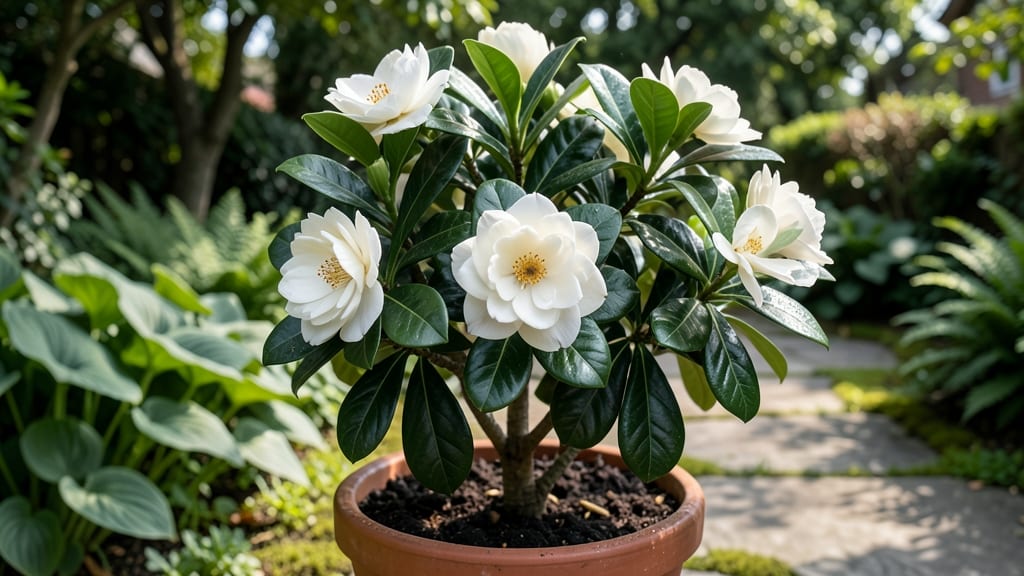
The August Beauty gardenia thrives in partial sun—its sun requirements demand 4 to 6 hours of morning light—to fuel its fragrant blooms without scorching its delicate leaves.
Picture this: your 🌸 gardenia sits in a sun-drenched spot, leaves crisping at the edges while its buds refuse to open. That’s not laziness—it’s a classic sun-misjudgment. Too much direct afternoon heat, and you’ll watch those velvety petals wilt before they even perfume the air.
But here’s the good news: with the right placement, your August Beauty can become the star of your garden, showering you with intoxicating scent from June through September. The trick? Balancing light exposure like a pro—whether you’re in a sunny Zone 6a or a shaded patio corner.
Below, I’ll walk you through how to read your gardenia’s signals, tweak its spot for peak blooms, and avoid the two biggest sun-related mistakes that kill fragrance faster than drought. Ready to unlock those showstopping flowers?

How much sun does August Beauty gardenia need for optimal blooms?
The August Beauty Gardenia thrives on 4-6 hours of filtered sunlight daily, making it a perfect candidate for partial shade gardens. Unlike full-sun plants, these tropical beauties need protection from intense afternoon rays that can scorch their delicate leaves.
Think of it as a morning sunbathing session with an afternoon siesta under dappled shade.
Native to warm climates, August Beauty Gardenias mimic their natural habitat by preferring bright indirect light. This means positioning them where they receive gentle morning rays (6 AM–12 PM) and soft afternoon shade.
Too much direct sun causes leaf burn, while too little can lead to leggy growth and sparse blooms.
| Sun Requirement | Ideal Exposure | Seasonal Adjustments | Signs of Stress |
|---|---|---|---|
| Morning Sun | 4-6 hours (6 AM–12 PM) | Summer: Reduce to 3-4 hours | Brown leaf edges (sunburn) |
| Afternoon Shade | Filter through trees or sheer fabric | Winter: Can tolerate 6+ hours | Yellowing leaves (too little light) |
| Direct Sun | Avoid after 12 PM | Spring/Fall: Gradually increase sun | Dropped buds (heat stress) |
| Shade Cloth | 30-50% coverage for harsh sun | Potted plants: Rotate monthly | Stunted growth (light deprivation) |
For August planting, your August Beauty Gardenia will need extra care as it establishes roots. Start with partial shade protection (like a 30% shade cloth) and gradually transition to morning sun as temperatures rise.
This mimics their natural tropical understory habitat, where young plants grow beneath taller trees.
Microclimates play a huge role in sun exposure. In hot, dry regions, even morning sun can be intense—opt for east-facing windows or north-facing garden beds. In humid climates, afternoon shade helps prevent fungal issues like powdery mildew, which thrives in damp, sunny conditions.
Seasonal shifts matter too. During summer months, reduce direct sun to 3-4 hours max to prevent leaf scorching. In winter, you can increase exposure to 6 hours if temperatures stay mild.
Always monitor your plant’s foliage color: dark green means happy, pale green means it’s craving more light, and yellowing signals too much shade.
One common mistake is assuming natural shade (like under a tree) is always safe. Some trees drop harsh afternoon shade that still causes stress. Instead, choose dappled light from deciduous trees or use lattice screens to diffuse sunlight evenly.
For container gardeners, rotate pots quarter-turns monthly to ensure even growth.
Watch for signs of sun stress vs. natural dormancy. Sunburned leaves appear as crispy brown edges, while dormant leaves simply yellow and drop in fall/winter. If your August Beauty Gardenia drops buds before blooming, it’s often a heat stress signal—move it to a cooler, shadier spot immediately.
Pro tip: Use a light meter app to track your garden’s foot-candle levels. Ideal for Gardenias is 1,000–2,000 foot-candles (about 1/10th of direct sunlight). This data helps you fine-tune placement for optimal blooming without guesswork.
With the right sunlight balance, your August Beauty Gardenia will reward you with fragrant, velvety blooms from summer through fall.
Start by placing it where it gets morning sun and afternoon shade, then adjust based on how it responds—your tropical beauty will thank you with lush growth and intoxicating perfume.
5 Signs your August Beauty gardenia isn’t getting the right sunlight
Your August Beauty Gardenia might be silently screaming for help if its leaves are crisping at the edges or flowers refuse to open. These tropical divas thrive on bright indirect light, but too much direct sun or insufficient light can turn your fragrant star into a sad, leggy shadow.
Let’s decode the sunlight clues your gardenia is giving you—and how to fix them fast.
First, check the leaf color and texture. Healthy gardenia leaves should be a glossy, deep green. If you’re seeing yellowing between veins or brown, crispy patches, your plant is either sunburned or struggling with too little light.
The key is finding that sweet spot of 4-6 hours of morning sun with afternoon shade—especially in hot climates.
Brown, papery patches on leaves exposed to direct sun.
Stems stretch toward light, leaves grow sparse.
Buds form but fall off before opening.
New growth lacks vibrancy, appears stretched.
Plant produces leaves but skips flowering season.
If your gardenia is showing leaf burn, move it to a spot with dappled shade—like under a sheer curtain or near a tree with sparse branches. For leggy growth, rotate the pot weekly to encourage even light exposure.
And if buds drop before blooming, your plant might be stressed by inconsistent light—try a south-facing window with a sheer curtain for balanced exposure.
Pro tip: Observe your gardenia’s morning vs. afternoon light. If the afternoon sun (post-12 PM) is intense where you live, use a light-colored shade cloth (30-50% block) to filter harsh rays.
In cooler climates, you can even place your gardenia in full morning sun and let it bask in gentle afternoon light.
Remember, gardenias are tropical plants that mimic their natural understory habitat. They crave bright but indirect light, not the harsh glare of a midday sun. With these adjustments, you’ll see glossier leaves, stronger stems, and those coveted fragrant blooms in no time. 🌸