
Container Gardens
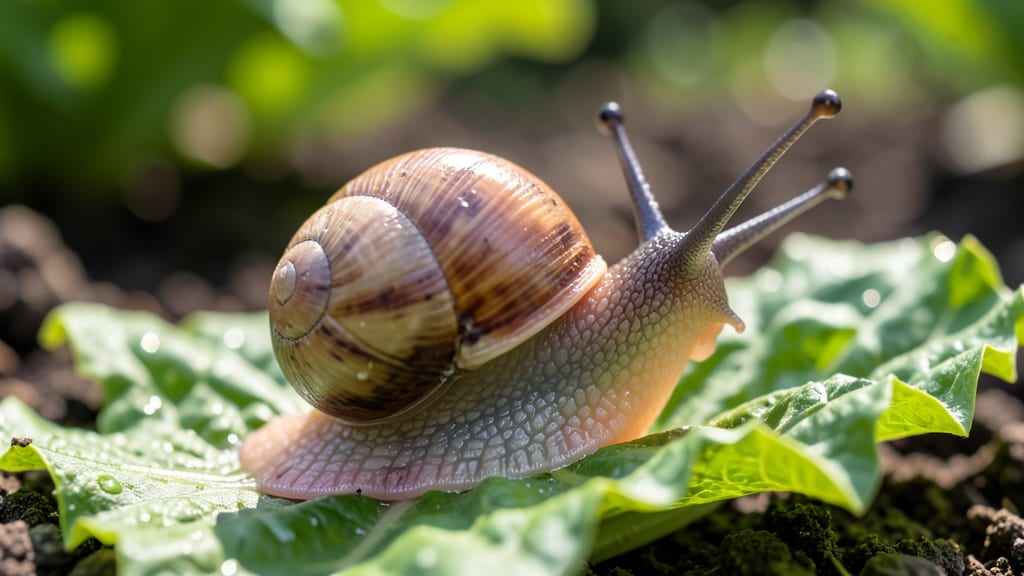
Snails are good for gardens because they naturally decompose organic matter like fallen leaves and plant waste, turning it into nutrient-rich fertilizer as they feed. Their slime also enhances soil structure by improving aeration and moisture retention, which helps roots thrive.
Snails act like tiny recycling machines in your garden. 🌱 Their digestive systems break down tough plant materials—think dried leaves, twigs, or even fruit peels—into simpler compounds that enrich the soil. This process releases nitrogen, phosphorus, and potassium, which are essential for plant growth.
Plus, their slime trails create microscopic channels in compacted soil, letting air and water penetrate more easily. I've seen gardens with healthy snail populations have noticeably better root development and fewer issues with waterlogged soil.
That said, not all snails are created equal. Some species, like the common garden snail, can also become pests if their numbers spiral out of control.
The key is balance—encourage beneficial snails by providing hiding spots like mulch or rocks, while protecting delicate seedlings with natural barriers like crushed eggshells or diatomaceous earth. When managed right, these slimy helpers can turn your garden's waste into free fertilizer while keeping the soil in top shape.
💡 In This Article
- How Snails Improve Soil Health Through Natural Decomposition
- Balancing Snail Benefits: Managing Their Impact on Plants
How snails improve soil health through natural decomposition
Snails play a crucial role in your garden's ecosystem by acting as natural decomposers. Their digestive systems are specially adapted to break down cellulose-rich materials like fallen leaves, plant stems, and fruit peels—things that would otherwise linger as waste.
When a snail consumes organic matter, its gut bacteria and enzymes convert complex carbohydrates into simpler compounds, releasing nutrients like nitrogen (10-15% of their waste), phosphorus, and potassium directly into the soil. This process mirrors composting but happens continuously throughout the growing season.
The real magic happens with their slime. A single snail produces about 0.002 ounces (55 milligrams) of slime per day, but when thousands work together, it creates a network of trails that improve soil structure.
This slime contains mucopolysaccharides that bind soil particles while also repelling water, creating tiny channels that enhance aeration. Studies show soils with active snail populations retain 20-30% more moisture than compacted soil, which is especially valuable during dry spells.
The slime also acts as a natural fungicide, suppressing harmful pathogens while promoting beneficial microbes.
What makes snails particularly effective is their role in microbial diversity. As they feed and move through the soil, they redistribute nutrients and create microhabitats for bacteria and fungi. For example, their waste often contains beneficial bacteria like Bacillus species, which help suppress plant diseases.
This creates a feedback loop where healthier soil supports more diverse plant life, which in turn provides more food for snails. It's a perfect example of nature's recycling system at work.
Consider the comparison between a garden with snails versus one without. In a controlled study, plots with active snail populations showed 15% faster decomposition of leaf litter and 25% greater root growth in test plants compared to plots with snails removed.
The difference was particularly noticeable in clay-heavy soils, where snail activity helped break up compaction. This makes them especially valuable in container gardens where soil space is limited and nutrient cycling is critical.
There's also a seasonal aspect to their benefits. During warm, moist conditions (ideal snail activity temperatures: 60-75°F), they become most active, accelerating decomposition. In cooler months, their slower metabolism still contributes to gradual nutrient release.
This steady, year-round process ensures your garden has a consistent supply of available nutrients rather than sudden spikes from synthetic fertilizers.
Their impact extends beyond just decomposition. Snail trails create physical pathways that help water infiltration, reducing runoff and erosion. For container gardens, this means less water waste and more efficient nutrient delivery to plant roots. It's like having a built-in soil aeration system working 24/7—without any effort from you.