I remember the first tomato I grew from seed—it was tiny, red, and tasted like sunshine on a summer afternoon. That moment hooked me for life. Now, I spend my days digging into soil, chasing the perfect bloom, and sharing the little joys of gardening that make it all worthwhile. This site is where I pass along the lessons I’ve learned, the plants that thrive in my zone, and the quiet magic of watching something grow from nothing.
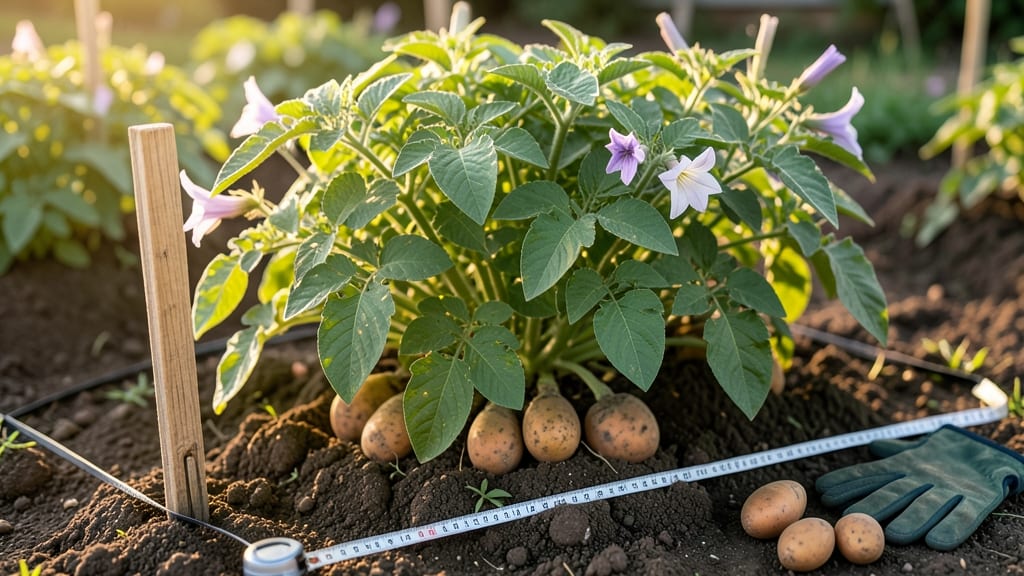
Spacing potatoes in your garden is the single most important factor for preventing disease and maximizing your harvest— 3 inches apart for small varieties, 12 inches for russets, with rows 2-3 feet apart. Picture this…
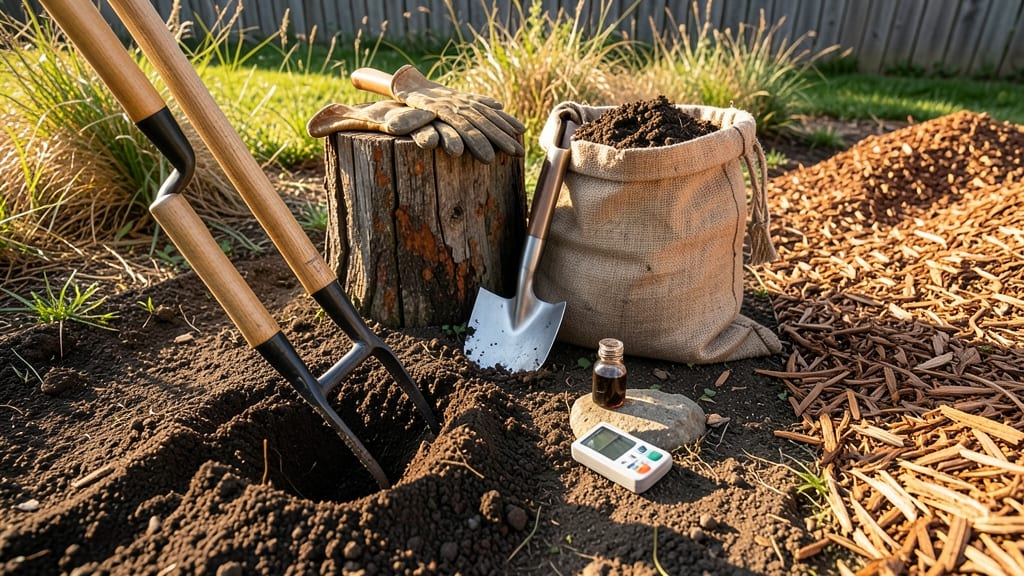
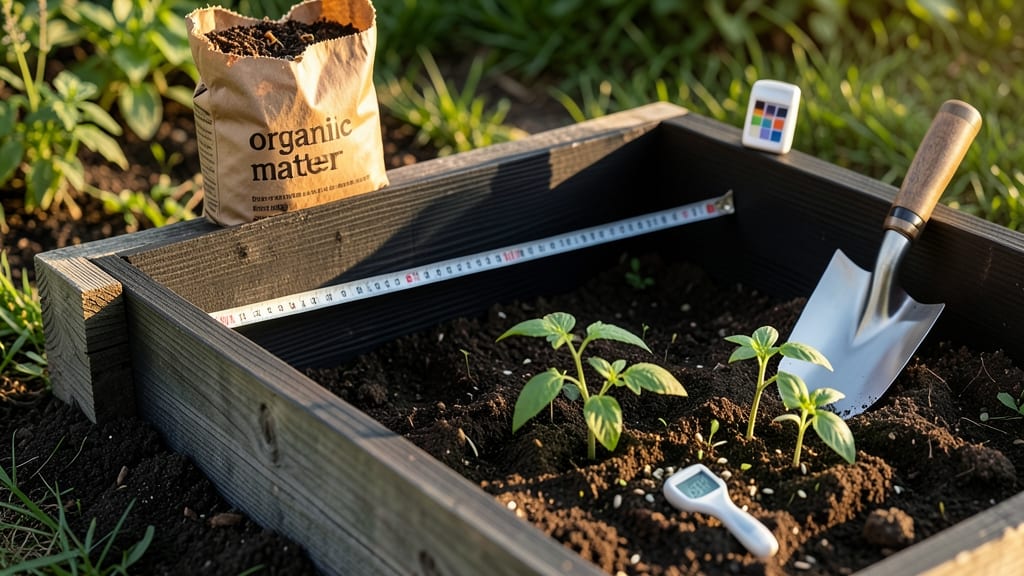
💥 Quick Answer To prepare soil for a flower garden, you'll need to test pH levels, clear away debris, aerate compacted earth, and enrich with compost or organic matter to create ideal drainage and nutrient conditions…
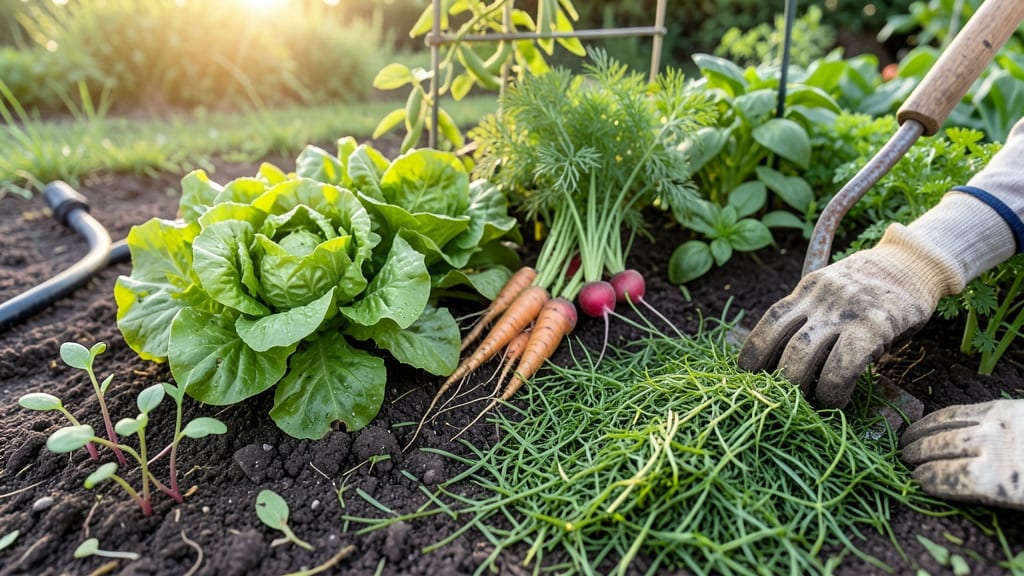
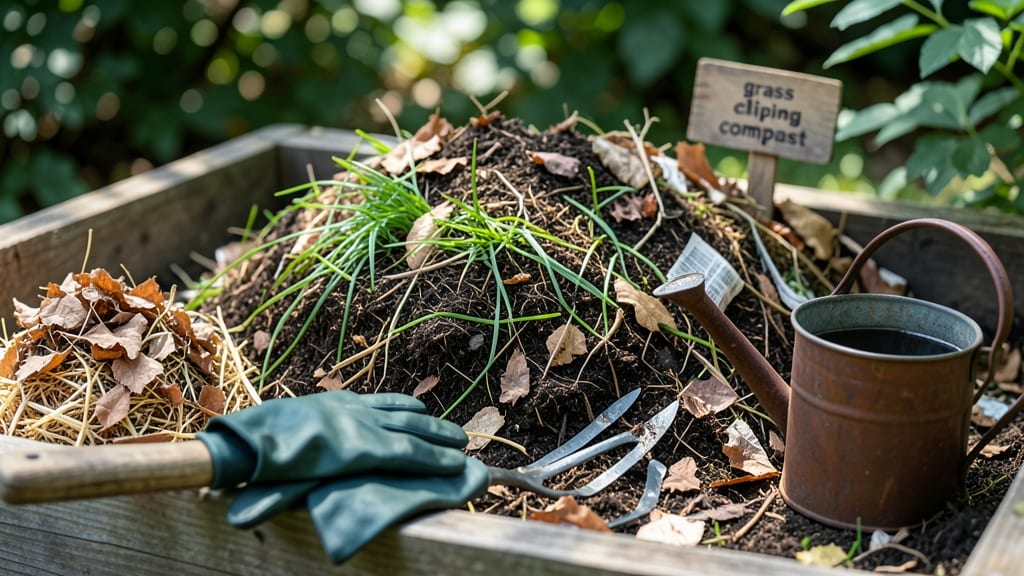
💥 Quick Answer Putting grass clippings in your garden creates a nutrient-rich fertilizer that enhances soil fertility and reduces waste, but you must apply them correctly to prevent plant damage or pest issues. Apply…
💥 Quick Answer Putting grass clippings in your garden returns vital nutrients like nitrogen, phosphorus, and potassium to the soil, reducing waste while improving plant health and soil structure naturally. Use them…
💥 Quick Answer A rain garden soil mix should combine 40% native topsoil, 30% compost, 20% coarse sand, and 10% perlite or peat moss to balance drainage and moisture retention for plants like irises and sedges. This…
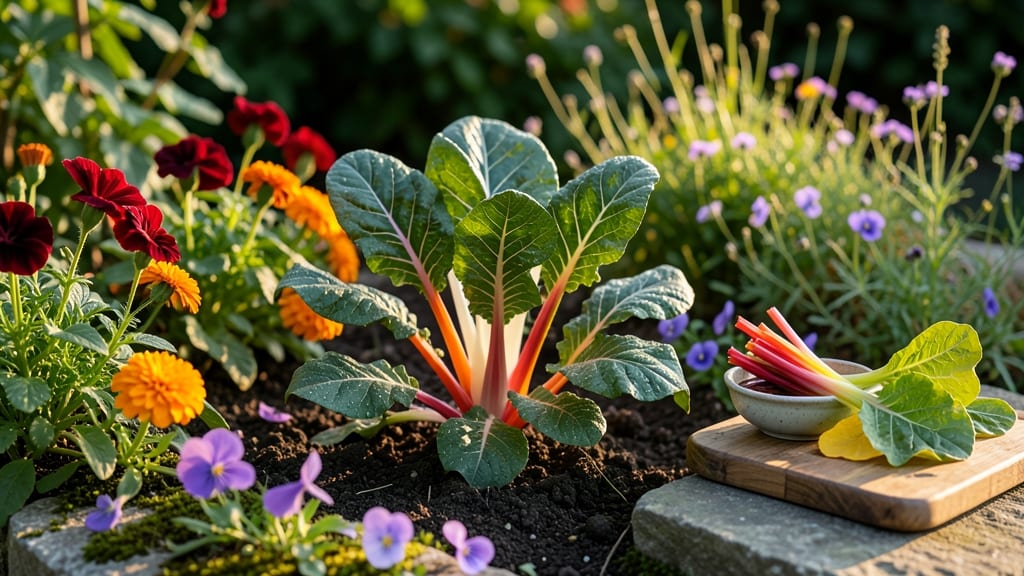
💥 Quick Answer A rainbow garden menu creates vibrant plant-based meals using seasonal vegetables and herbs in every color—reds, oranges, yellows, greens, blues, and purples—to pack in antioxidants, vitamins, and fiber…
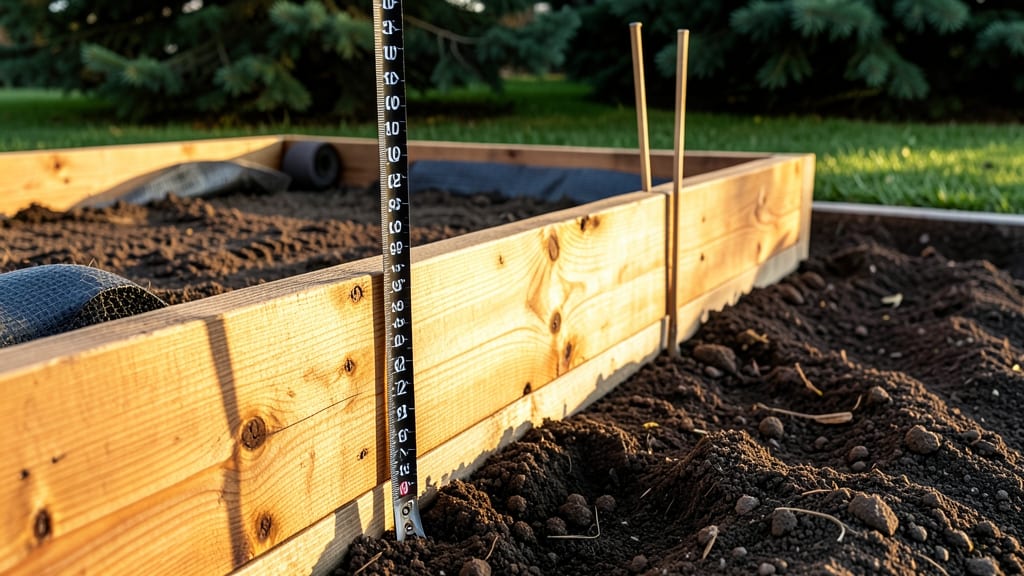
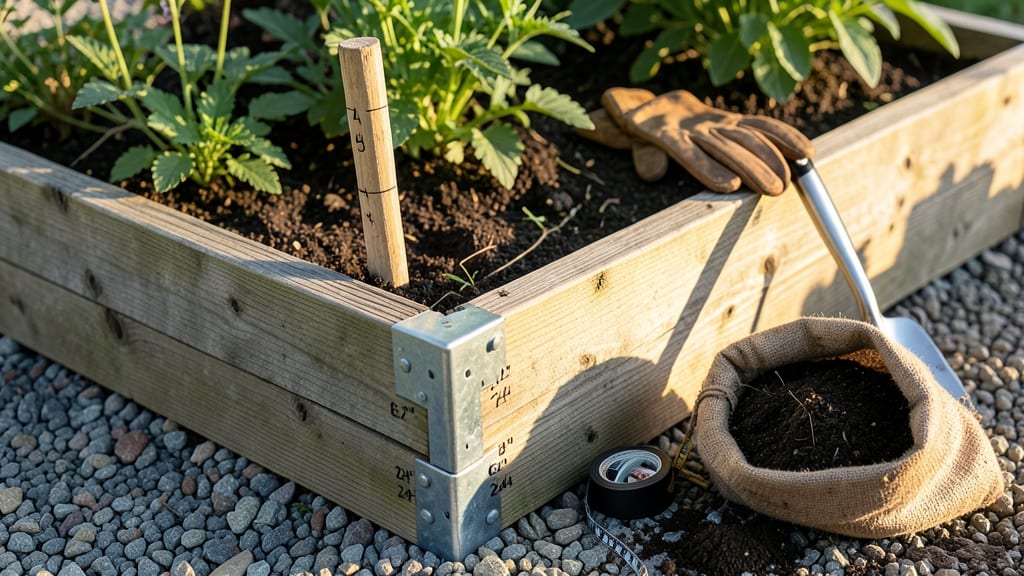
Getting the raised garden bed height right is the first step to a garden that works for you—and your back. Picture this: you’re knee-deep in soil, but instead of bending over, you’re standing tall, planting with ease…
Getting the raised garden bed soil depth right is the foundation of a thriving garden — too shallow, and your plants will struggle to grow, while too deep wastes resources and space. Picture this: you’ve spent hours…
💥 Quick Answer The ideal raised garden height for most vegetables and herbs is 6 to 12 inches, balancing root space with accessibility and drainage. Deeper beds (12–18 inches) work best for root crops, while taller…
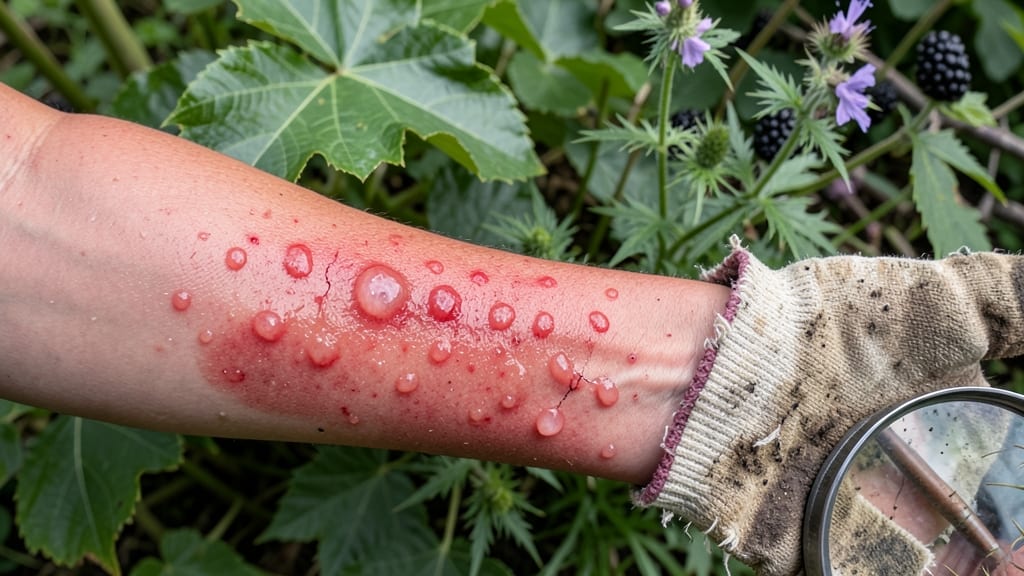
💥 Quick Answer A rash after gardening usually appears due to plant sap, insect bites, or soil allergens like poison ivy/oak or mold spores. Cold compresses and hydrocortisone cream help relieve symptoms, while avoiding…