
Tools
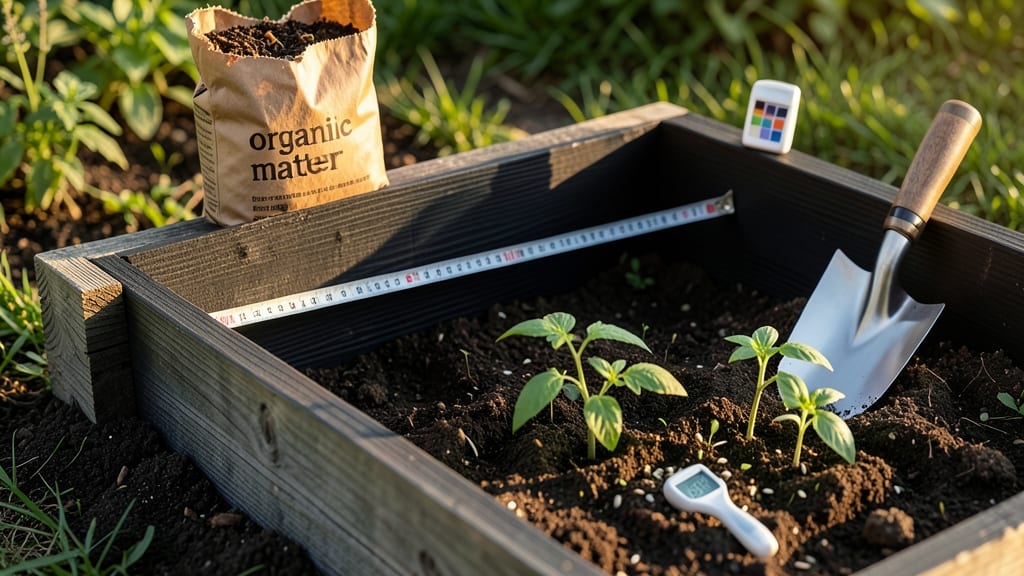
Getting the raised garden bed soil depth right is the foundation of a thriving garden — too shallow, and your plants will struggle to grow, while too deep wastes resources and space.
Picture this: you’ve spent hours building the perfect raised bed, only to watch your tomatoes and carrots fight for root space. The truth? Most gardeners overlook how much soil their plants actually need, and it’s costing them bigger harvests.
Ideal soil depth isn’t just about inches—it’s about drainage, aeration, and giving roots room to stretch. For most vegetables, 6 to 12 inches is the sweet spot, but deep-rooted crops like asparagus demand 18 inches or more.
Below, I’ll break down the science, plant-by-plant recommendations, and how to fix common mistakes before they stifle your garden’s potential.
Whether you’re a beginner or a seasoned gardener, you’ll leave here knowing exactly how deep to fill your bed—and why it matters more than you think.
Ideal raised garden bed soil depth for root growth: science-backed guidelines
Getting your raised garden bed soil depth right is one of the most important decisions for plant health. Too shallow, and roots struggle to access nutrients and water; too deep, and you waste resources.
The USDA recommends a minimum of 6 inches for most vegetables, but deeper beds often yield better results for deep-rooted plants.
Soil depth directly impacts three critical factors: root growth, drainage efficiency, and nutrient retention. Shallow beds may work for lettuce or herbs but will stunt carrots or asparagus. Let’s break down the science so you can optimize your bed’s depth for maximum plant performance.
Here’s a quick reference for minimum soil depth requirements based on plant type and root structure:
| Plant Type | Root Depth | Recommended Soil Depth | Key Considerations |
|---|---|---|---|
| Shallow-rooted (lettuce, herbs, radishes) | 3–6 inches | 6–12 inches | Fast growth; prioritize topsoil quality |
| Medium-rooted (beans, beets, carrots) | 6–12 inches | 12–18 inches | Balanced depth for harvestable roots |
| Deep-rooted (asparagus, tomatoes, fruit trees) | 12+ inches | 18–24 inches | Avoid root competition; use layered soil |
| Perennials (rhubarb, strawberries) | 12–24 inches | 18+ inches | Long-term root establishment |
For drainage and aeration, aim for at least 12 inches of loose, well-amended soil. Compacted soil restricts root expansion and water flow, while organic matter (compost, coconut coir) improves porosity. The top 6 inches should be nutrient-rich topsoil, with sandy loam below to prevent waterlogging.
Deep-rooted plants like asparagus or artichokes thrive in 18-inch-deep beds, but even shallow crops benefit from extra depth. A 12-inch bed works for most vegetables, while herbs and greens can succeed in 8–10 inches. The key is matching depth to the plant’s mature root zone.
Layering soil is a smart strategy for limited-depth beds. Start with 4–6 inches of compost at the bottom for microbes, then add 6 inches of topsoil, and top with 2 inches of mulch. This mimics natural soil profiles and maximizes space for roots.
If your bed is too shallow, you can extend it vertically by adding frames or trenches around the perimeter. For container-like beds, ensure the depth matches the plant’s needs—tomatoes in 12-inch pots will struggle, but basil thrives.
Monitor your soil’s moisture retention and pH balance (ideal: 6.0–7.0). Deeper beds hold moisture longer, reducing irrigation needs. Test your soil annually—amend with lime if acidic or sulfur if alkaline.
Remember, root growth isn’t just about depth—it’s also about soil quality. Even a 12-inch bed with poor drainage or compacted layers will underperform. Use perforated landscape fabric at the bottom to block weeds while allowing water through.
For long-term success, rotate crops annually and replenish nutrients. Deep beds reduce soil compaction over time, making them ideal for heavy feeders like corn or squash. Start with the right depth, and your plants will reward you with bigger yields and healthier growth.
How to adjust raised garden bed depth for specific plants (vegetables, herbs, flowers)
Not all plants thrive in the same raised garden bed depth. Shallow-rooted lettuce and radishes need just 6-12 inches of soil, while deep-rooted asparagus or tomatoes demand 18-24 inches to flourish. The key is matching your soil depth to each plant's root system—here's how to get it right.
For herbs like basil and flowers like marigolds, a 6-12 inch bed works perfectly. But if you're growing root vegetables like carrots or potatoes, you'll need to dig deeper—12-18 inches minimum.
The good news? You can layer your soil to maximize space for multiple crops in a single bed.
If your raised bed depth is too shallow for deep-rooted plants, try layered planting. Place root crops in the bottom layer with loose, sandy soil, then add a 4-6 inch layer of compost-rich topsoil for leafy greens and herbs. This maximizes space while meeting each plant's needs.
Watch for signs of root-bound stress—yellowing leaves or stunted growth often mean your plants need deeper soil. For container-grown plants, consider repotting or extending your bed's height with untreated wood or bricks. A 12-inch extension can transform a struggling tomato plant into a thriving one.
For flowers like sunflowers or vegetables like squash, aim for 18-24 inches of soil. These plants need room to spread their roots and support their weight. If your bed is too shallow, mix in organic matter like compost or coconut coir to improve soil structure and depth over time.
Remember: drainage matters. A 4-6 inch layer of gravel or coarse sand at the bottom prevents waterlogging, which can suffocate roots. For sh