
Tools
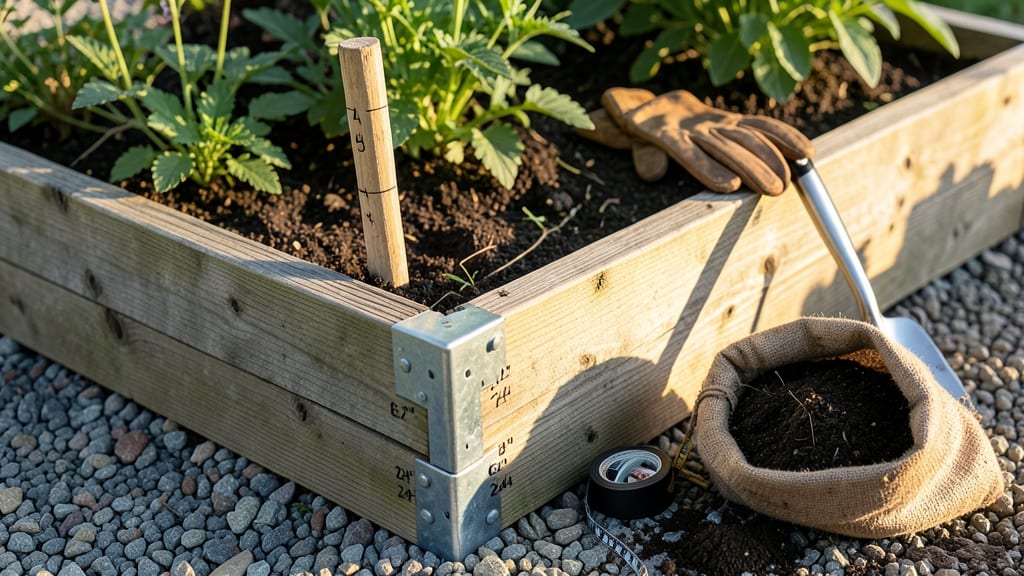
The ideal raised garden height for most vegetables and herbs is 6 to 12 inches, balancing root space with accessibility and drainage. Deeper beds (12–18 inches) work best for root crops, while taller heights (18+ inches) support shrubs or small trees.
The height of your raised garden isn't just about aesthetics—it directly impacts plant health and your gardening experience. 🌱 A 6-inch bed works for shallow-rooted plants like lettuce or herbs, while 12-inch beds accommodate tomatoes and peppers.
The extra depth improves drainage and prevents waterlogging, which is especially critical in clay-heavy soils. For gardeners with mobility challenges, taller beds (12+ inches) reduce bending, making maintenance easier over time. The key is matching the bed height to your plants' needs and your physical comfort.
Material choice also plays a role—wooden beds, for example, may require deeper construction to prevent rot at the soil line, while metal or composite options can be built taller with less structural concern.
Always consider how your plants will mature: a 12-inch bed today might need expansion if you later grow deeper-rooted varieties like asparagus. Planning ahead saves future headaches!
💡 In This Article
- How Raised Garden Height Affects Root Development and Soil Health
- Choosing the Perfect Raised Bed Height for Your Plants and Mobility Needs
How raised garden height affects root development and soil health
The height of your raised garden directly influences how deeply plant roots can grow and how efficiently they access nutrients. For most vegetables and herbs, a 6- to 12-inch bed provides enough space for their root systems to develop fully.
Shallow-rooted plants like lettuce or basil thrive in 6-inch beds, while slightly deeper beds (8-10 inches) accommodate bush beans or radishes. The extra vertical space allows roots to explore more soil volume, increasing their ability to absorb water and nutrients—especially critical during dry spells. 🔥
Drainage becomes significantly better in raised beds as height increases. A 12-inch bed prevents waterlogging by allowing excess moisture to drain through the sides, which is vital for plants like tomatoes that hate soggy roots.
The soil in raised beds also warms up faster in spring because it's exposed to sunlight on all sides, giving plants a head start. This temperature advantage can extend the growing season by 2-3 weeks compared to ground-level planting.
Additionally, taller beds create better oxygenation at deeper levels, which is crucial for microbial activity that breaks down organic matter into plant-available nutrients.
For root crops like carrots or potatoes, the benefits of deeper beds (12-18 inches) become obvious. These plants need ample space to grow without becoming stunted or forked—a common problem in shallow soil.
The extra depth also allows for better soil layering, where you can incorporate compost at the bottom while keeping nutrient-rich topsoil at the surface. This stratification mimics natural soil profiles and supports healthier root development. 🌱
Soil health improves in raised beds because the contained environment reduces compaction and erosion. The sides prevent foot traffic from compressing the soil structure, which is especially important for delicate root systems.
However, very tall beds (18+ inches) can create challenges: the bottom layers may become waterlogged or anaerobic if drainage isn't properly managed. This is why many gardeners use a "soil sandwich" approach—placing gravel or landscape fabric at the bottom before adding soil layers.
Consider how different plant types respond to height variations. Perennial herbs like rosemary or thyme can handle 18-inch beds because their extensive root systems benefit from deeper exploration. In contrast, annual vegetables like zucchini or cucumbers typically max out at 12 inches unless you're using trellises.
The key is matching the bed height to your plants' mature root depth, which you can find in seed catalogs or plant databases. 💫
One often-overlooked factor is how bed height affects soil temperature gradients. In 6-inch beds, temperatures fluctuate more dramatically between day and night, while 12-inch beds maintain more stable conditions. This stability is particularly beneficial for heat-sensitive crops like spinach or peas.
For gardeners in colder climates, the extra insulation from deeper beds can be the difference between success and failure for early spring plantings.