
Lawn
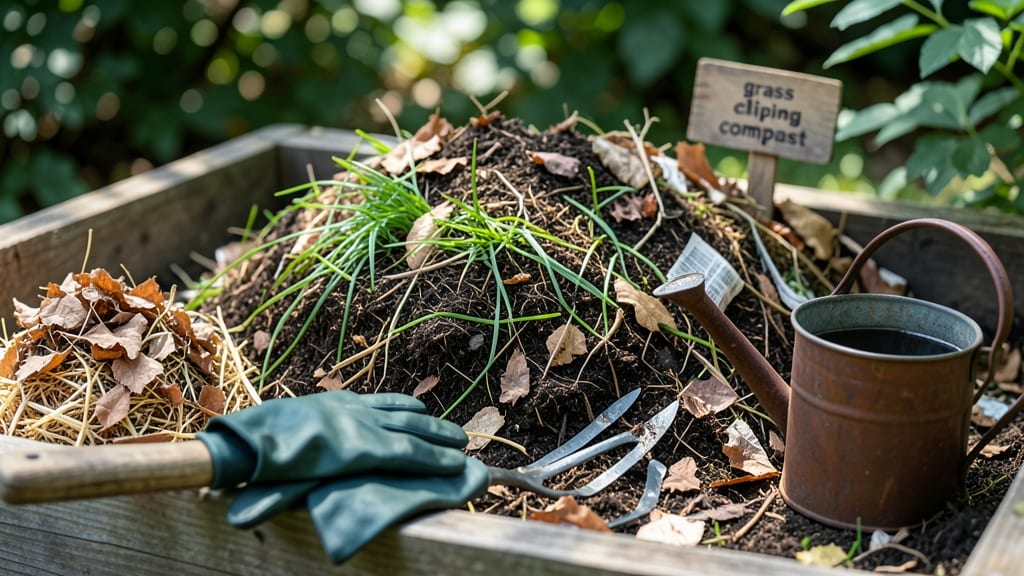
Putting grass clippings in your garden returns vital nutrients like nitrogen, phosphorus, and potassium to the soil, reducing waste while improving plant health and soil structure naturally. Use them fresh as mulch or compost them first for stronger results.
Grass clippings act like a natural fertilizer, breaking down to release nutrients that feed your plants over time. 🌱 Unlike synthetic fertilizers, they improve soil texture and encourage beneficial microbes, creating a healthier growing environment.
I’ve found that spreading a thin layer—about ¼ inch—works best for mulching, while thicker layers risk smothering plants or attracting pests.
For even better results, mix clippings with other organic matter like leaves or straw to speed up decomposition. This creates a nutrient-rich compost that’s perfect for flower beds or vegetable gardens. Just be sure to avoid clippings treated with herbicides, as they can harm your plants.
💡 In This Article
- How Grass Clippings Improve Garden Soil Fertility
- Best Ways to Use Grass Clippings in Your Garden
How grass clippings improve garden soil fertility
Grass clippings are essentially a free, nutrient-dense fertilizer packed with nitrogen (N), phosphorus (P), and potassium (K)—the holy trinity of plant nutrition. When you mow your lawn, you're cutting grass that has been actively photosynthesizing, absorbing these essential nutrients from the soil.
A typical 10,000 sq ft lawn can produce enough clippings to fertilize the same area naturally, eliminating the need for chemical fertilizers. The nitrogen content alone can be as high as 4% by dry weight, which is comparable to some commercial organic fertilizers.
The real magic happens when clippings decompose. Microorganisms in the soil break down the cellulose and other organic compounds in the grass, converting them into forms plants can easily absorb.
This process also stimulates beneficial microbes and earthworms, which further improve soil structure by creating tiny air pockets and channels that enhance water infiltration.
Unlike synthetic fertilizers that provide a quick but temporary nutrient boost, grass clippings release nutrients gradually over 2-4 weeks, creating a more balanced and sustainable growing environment. 🌱
What makes grass clippings particularly effective is their carbon-to-nitrogen ratio (C:N ratio), which typically ranges from 15:1 to 20:1. This balance is ideal for composting and soil enrichment, as it provides enough carbon for microbial energy while supplying sufficient nitrogen to support rapid decomposition.
When you spread clippings as mulch, they decompose faster than you might expect—often within 1-2 weeks—because they're finely chopped and exposed to air and moisture. This quick turnover means nutrients become available to plants sooner than with bulkier organic materials like leaves or straw.
There's a scientific reason why grass clippings outperform synthetic fertilizers for long-term soil health. Synthetic fertilizers primarily provide nutrients but often disrupt soil biology by creating imbalanced conditions.
Grass clippings, on the other hand, improve soil organic matter content, which enhances water retention (up to 50% more in some cases) and reduces soil compaction. The humus created from decomposed clippings also helps buffer soil pH, making nutrients more available to plants over time.
This is why professional gardeners and organic farmers often recommend grass cycling as a core practice.
For the best results, consider how different plants benefit from these nutrients. Vegetables like tomatoes and peppers thrive with the potassium boost, while leafy greens and grasses benefit most from the nitrogen content. The phosphorus helps strengthen root systems, making plants more drought-resistant.
What's particularly impressive is how this natural process mimics the nutrient cycles found in wild ecosystems, where fallen plant matter continuously enriches the soil without human intervention. 💫
One common misconception is that grass clippings will make your lawn or garden "too rich." In reality, the nutrients are released slowly and in quantities that match what plants can absorb.
The key is proper application—never pile clippings thicker than ½ inch—to prevent smothering plants or creating anaerobic conditions that produce foul odors. When used correctly, grass clippings create a self-sustaining nutrient cycle that reduces waste and builds healthier soil with each mowing.