
Tools
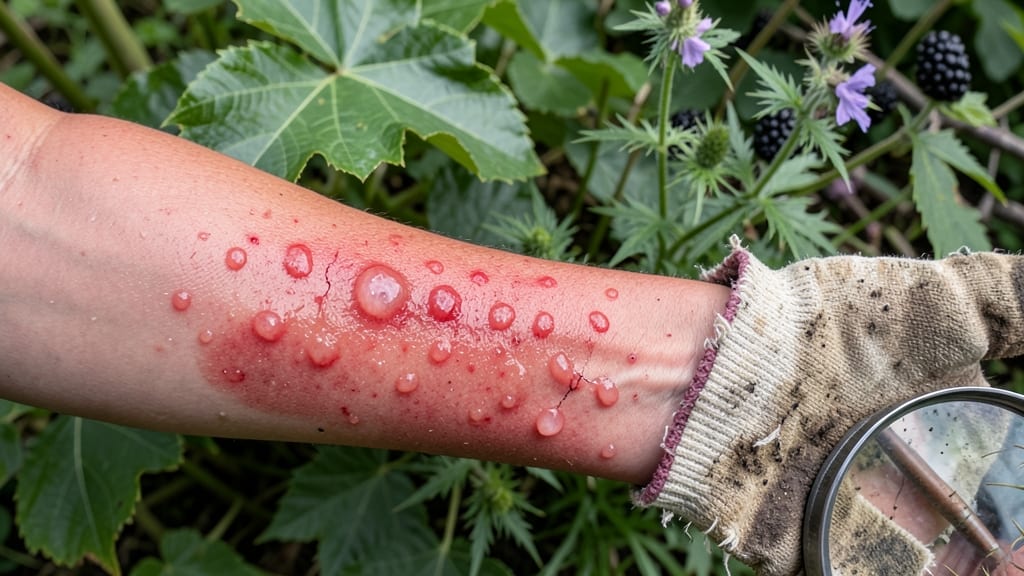
A rash after gardening usually appears due to plant sap, insect bites, or soil allergens like poison ivy/oak or mold spores. Cold compresses and hydrocortisone cream help relieve symptoms, while avoiding scratching prevents infection. Severe reactions should be checked by a doctor.
A gardening rash isn't just annoying—it's often a sign your skin reacted to hidden irritants. 🌿 The most common culprits are plant oils (like urushiol in poison ivy) or tiny soil organisms that trigger allergic responses.
I've seen cases where gardeners didn't realize they were touching stinging nettles or even moldy compost until the itchy bumps appeared hours later. The good news? Most reactions improve within days with proper care, but knowing what caused it helps you avoid future flare-ups.
For immediate relief, I recommend washing the affected area with mild soap and cool water first—this removes any lingering irritants. Then apply a thin layer of hydrocortisone cream (1%) or calamine lotion to reduce inflammation.
If the rash spreads or blisters form, that's your cue to see a healthcare provider, as it could signal a more serious allergic reaction.
Prevention starts with protective gear: wear long sleeves, gloves, and closed-toe shoes when working with unfamiliar plants. I always keep a small bottle of baking soda paste in my gardening bag—it's a natural itch reliever for minor reactions.
And remember, if you suspect poison ivy, don't touch it! The oils can linger on tools and clothing for weeks.
💡 In This Article
- Common Plant and Soil Triggers for Gardening Rashes
- Step-by-Step Rash Relief and Prevention Guide
Common plant and soil triggers for gardening rashes
Your skin reacts to gardening irritants through two main pathways: direct chemical exposure (like plant oils) or allergic responses (triggered by proteins or mold spores). The most notorious plant culprit is urushiol, the oil found in poison ivy, poison oak, and poison sumac.
This compound binds to skin proteins within minutes, creating an allergic reaction that causes blisters and intense itching. Even touching contaminated tools or pets can transfer the oil—it remains potent for years on surfaces! 🌿
Soil-based irritants often go unnoticed but pack a punch. Mold spores (like Alternaria or Cladosporium) thrive in damp compost and can trigger allergic contact dermatitis in sensitive individuals.
The spores release enzymes that disrupt skin barriers, leading to red, scaly patches. Bacterial infections from contaminated soil (like Pseudomonas) can also cause folliculitis—tiny, pus-filled bumps around hair follicles.
Fertilizers containing urea or ammonium nitrate may burn skin directly, while chigger mites (tiny arachnids) inject digestive enzymes that create itchy red welts.
The reaction mechanism varies by trigger. Plant oils like urushiol provoke a delayed hypersensitivity response, meaning symptoms appear 12-48 hours after exposure. In contrast, insect bites (like from chiggers or spider venom) cause immediate localized inflammation due to histamine release.
Soil allergens often trigger an immune response where your body mistakenly attacks harmless proteins as threats, releasing cytokines that cause swelling and itching. This is why some gardeners develop rashes only after repeated exposure—it takes time for their immune systems to "learn" to overreact. 🔬
Visual identification is key to prevention. Poison ivy's classic "leaves of three" motto is accurate—each leaflet has a pointed end, and the plant grows as a vine, shrub, or ground cover. Stinging nettles have jagged leaves with serrated edges and tiny hairs that inject formic acid (like an ant sting).
For soil irritants, damp or decaying organic matter is a red flag for mold growth. I always recommend wearing gloves when handling unknown plants or disturbed soil, as these are the highest-risk scenarios for exposure.
Less obvious but equally problematic are fungal spores from leaf mold or compost. These microscopic organisms can cling to skin and cause tinea infections (like athlete's foot) or allergic reactions. The spores release enzymes that break down keratin in your skin, creating entry points for bacteria.
Even "clean" potting soil can harbor Escherichia coli or Salmonella from animal waste, leading to secondary infections if scratched. That's why I insist on thorough handwashing with antibacterial soap after gardening—it's not just about removing dirt, but preventing microbial hitchhikers from taking up residence on your skin.
Here's what most people overlook: cross-contamination. That innocent-looking gardening apron you wore while handling poison ivy could transfer oils to your car seat, phone, or even your pet's fur. The oil remains active for up to 5 years on surfaces!
This is why I keep a separate set of tools for known irritant plants and wash everything with rubbing alcohol (70% isopropyl) after use. For soil-related rashes, consider wearing nitrile gloves—they're more protective than latex against bacterial and fungal contaminants. 🧤