
Lawn
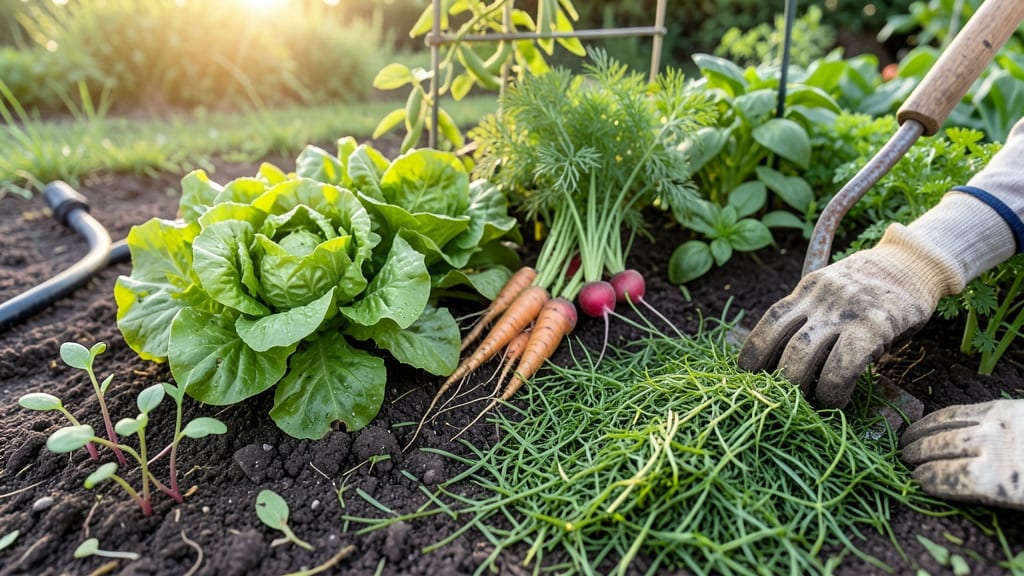
Putting grass clippings in your garden creates a nutrient-rich fertilizer that enhances soil fertility and reduces waste, but you must apply them correctly to prevent plant damage or pest issues. Apply them thinly or compost first for optimal results.
Putting grass clippings in your garden is essentially a free way to add organic matter packed with nitrogen, which plants crave for healthy growth. 🌱 When you leave them on your lawn (a technique called mulching), they decompose quickly, returning nutrients to the soil while suppressing weeds.
However, thick layers can smother grass or create thatch—so always spread them lightly or mix them into compost piles for a balanced approach. I’ve seen gardens thrive using this method, especially when combined with other organic materials like leaves or kitchen scraps.
For best results, use clippings from cool-season grasses like Kentucky bluegrass or fescue, as they break down faster than warm-season varieties. Avoid using clippings treated with herbicides, which can harm plants.
If you’re unsure about direct application, composting is a safer bet—just layer clippings with brown materials like straw or dried leaves for a nutrient-dense soil booster.
💡 In This Article
- How Grass Clippings Boost Soil Fertility
- Best Ways to Use Grass Clippings in Your Garden
How grass clippings boost soil fertility
Grass clippings act as a natural fertilizer because they're about 80-90% water but contain 3-5% nitrogen—a key nutrient for plant growth. When left on the lawn (mulching), they decompose within 24-48 hours, releasing nitrogen and other micronutrients like phosphorus and potassium back into the soil.
This process mimics nature's nutrient cycle, where organic matter breaks down to feed plants without synthetic additives. 🌱 The clippings also create a protective layer that retains moisture, reducing watering needs by up to 25% compared to bare soil.
The decomposition speed depends on grass type and conditions. Cool-season grasses like Kentucky bluegrass break down faster than warm-season varieties such as Bermuda grass because their cell structure is softer.
A 1/4-inch thick layer of clippings is ideal—any thicker risks smothering grass or creating thatch (a dense layer of dead organic matter). The nitrogen release is gradual, providing a slow feed that supports steady plant growth, unlike quick-release fertilizers which can burn roots if overapplied.
Beyond nutrients, grass clippings improve soil structure by adding organic matter that enhances aeration and water infiltration. Studies show that mulching clippings can increase soil organic matter by 0.5-1% annually, which boosts microbial activity—critical for breaking down other organic materials in the soil.
This microbial boost also suppresses weeds by blocking sunlight from reaching weed seeds while providing a nutrient-rich environment for desirable plants. 🌿 The clippings' high water content also helps regulate soil temperature, keeping roots cooler in summer and warmer in winter.
However, not all clippings are equal. Clippings from herbicide-treated lawns can harm plants, while those from lawns with high weed seeds (like crabgrass) may spread unwanted plants. Always use clippings from untreated, healthy lawns to avoid introducing chemicals or pests.
For gardens with sensitive plants, composting clippings first ensures a safer, more balanced fertilizer. The key is balance—too much nitrogen can lead to leafy growth at the expense of flowers or fruit.
Consider the carbon-to-nitrogen (C:N) ratio when using clippings. Fresh grass clippings have a C:N ratio of about 20:1, which is ideal for composting when mixed with carbon-rich materials like leaves or straw. Alone, they can deplete soil nitrogen as microbes break them down.
Mixing clippings with brown materials (like dried leaves) in a 3:1 ratio creates a balanced compost that won’t rob the soil of nutrients. This layering also prevents clumps and speeds up decomposition.
For maximum benefits, mow when grass is dry—wet clippings clump together and create thatch. A sharp mower blade ensures clean cuts that decompose faster than ragged edges. Over time, this practice reduces the need for synthetic fertilizers, saving money and creating a more sustainable garden ecosystem.
The result? Healthier soil, lush greenery, and fewer weeds—all from what would otherwise be yard waste. 💚