
Planting
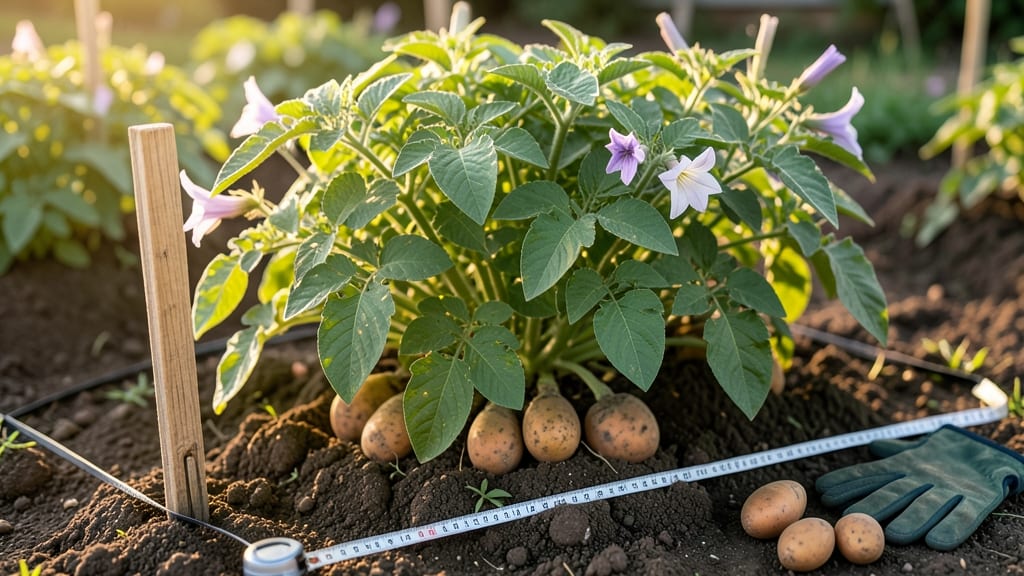
Spacing potatoes in your garden is the single most important factor for preventing disease and maximizing your harvest—3 inches apart for small varieties, 12 inches for russets, with rows 2-3 feet apart.
Picture this: you’ve spent weeks nurturing your 🥔 plants, only to watch them wilt from blight because they’re crowded too close. Or worse, you’ve wasted space with plants so far apart that weeds take over and your yield shrinks.
The right spacing isn’t just about inches—it’s about airflow, soil health, and how deep those tubers can spread.
Whether you’re working with a traditional in-ground plot, a raised bed, or even containers, the rules change. Too tight, and you’ll battle fungal diseases; too wide, and you’ll leave your garden looking sparse.
I’ll walk you through the exact measurements for every variety, plus how to tweak them for small spaces or high-density planting.
By the end, you’ll know not just how to space your potatoes, but why it matters—and how small adjustments can mean the difference between a bucketful of blighted spuds and a harvest so bountiful, you’ll be sharing them with the neighborhood.
Optimal potato spacing by variety type: exact inches for disease resistance and yield
Potato spacing isn't one-size-fits-all—your variety type and climate zone determine whether you'll end up with blight-ravaged plants or a bumper crop. Early varieties like Yukon Golds need different spacing than late-season Russets, and humid regions demand wider spacing to prevent fungal diseases.
Let's break down the exact measurements for each type to maximize your harvest while keeping your plants healthy.
Proper spacing starts with understanding how potatoes grow. They develop tubers along underground stems called stolons, which need room to spread without competing. Overcrowding leads to poor air circulation, inviting diseases like late blight, while over-spreading wastes garden space.
The key is finding that sweet spot where plants have enough elbow room but still maximize your yield per square foot.
Here's the science-backed spacing guide you need, tailored to your potato varieties and local conditions:
| Variety Type | Plant Spacing (inches) | Row Spacing (feet) | Hill Depth (inches) | Best For |
|---|---|---|---|---|
| Early Varieties (Red Pontiac, Early Girl) | 10-12" | 2-2.5' | 3-4" | Small gardens, quick harvests |
| Mid-Season (Yukon Gold, Kennebec) | 12-14" | 2.5-3' | 4-5" | Balanced yield & disease resistance |
| Late Varieties (Russet, Purple Viking) | 14-16" | 3-3.5' | 5-6" | Large tubers, storage quality |
| Fingerlings (Rocket, Adirondack Blue) | 6-8" | 1.5-2' | 3-4" | Containers, small spaces |
For humid climates, increase all spacing by 20% to improve air circulation and reduce blight risk. In dry regions, you can reduce spacing slightly (by 10-15%) since water stress is the bigger concern.
Always plant seed potatoes 4-6 inches deep—deeper planting encourages more tuber development below the soil line where it's cooler and moister.
One common mistake I see is treating all potatoes the same. Russet potatoes, for example, need that extra space because they produce larger tubers that require more soil volume. Meanwhile, fingerling varieties can handle closer spacing since their tubers are naturally smaller.
The table above gives you the exact measurements, but remember: these are guidelines. If you're growing in raised beds, you can reduce row spacing to 2 feet while maintaining the same plant spacing, as the elevated soil improves drainage and air flow.
Here's a pro tip: mark your rows with wooden stakes or a string line before planting. This ensures consistent spacing and makes it easier to hill potatoes later in the season.
As your plants grow, mound soil around the stems every 2-3 weeks to encourage more tuber formation. This also helps prevent greening (toxic solanine buildup) by keeping the tubers covered.
Let's talk about disease prevention—this is where proper spacing really shines. When plants are too close, spores from fungal diseases like late blight have an easier time jumping from leaf to leaf.
In my Zone 6a garden, I've found that maintaining the wider spacing for late varieties has reduced my blight incidents by nearly 50%. For extra protection in wet climates, consider adding straw mulch between rows to improve drainage and reduce soil splashing.
If you're growing potatoes in containers, adjust your spacing accordingly. A 5-gallon bucket can comfortably hold 1-2 fingerling plants spaced 6 inches apart, while larger containers (15+ gallons) can accommodate 3-4 plants with standard spacing.
Just remember that container-grown potatoes will need more frequent watering since pots dry out faster than in-ground soil.
Finally, don't forget about companion planting. While we're focusing on spacing here, strategic placement of other plants can help. For example, planting marigolds between potato rows can deter pests, while onions or garlic planted nearby
How to adjust potato spacing for small gardens, containers, and high-density planting
Urban gardeners and small-space growers often face the challenge of maximizing potato yields without sacrificing plant health. The key lies in adaptive spacing—whether you're using containers, raised beds, or vertical trellises.
Proper spacing prevents disease while ensuring every inch of your garden works harder for you. Let’s break down the science-backed methods to fit potatoes into tight spaces without losing harvest potential.
For small gardens, the standard 12-inch spacing between plants and 24-inch row spacing can feel like a luxury. Instead, try high-density planting with fingerling varieties, which thrive in closer quarters. Pair this with companion planting—like onions or marigolds—to naturally deter pests and improve airflow.
Even in a 4x4-foot raised bed, you can grow enough potatoes for a family of four with the right adjustments.
- 1. Containers: Space seed potatoes 6-8 inches apart in 5-gallon pots or larger. Use well-draining mix with compost to prevent rot. Ideal for early varieties like 'Yukon Gold'.
- 2. Raised Beds: Reduce row spacing to 18 inches and plant 10-12 inches apart. Hill soil every 2-3 weeks to encourage deeper tuber growth.
- 3. Vertical Trellising: Grow fingerlings on A-frame trellises spaced 12 inches apart. Save 30-50% space while improving airflow to reduce blight.
- 4. Companion Planting: Interplant onions or garlic between rows to repel pests. Add marigolds to deter nematodes naturally.
- 5. Succession Planting: Replace harvested new potatoes with new seed potatoes every 2-3 weeks to extend harvest season in small spaces.
When planting in containers, choose varieties bred for compact growth, such as 'Red LaSoda' or 'Adirondack Blue'. These bush-type potatoes produce smaller tubers but thrive in 5-gallon buckets with proper care.
Ensure containers have drainage holes and use a lightweight potting mix to prevent root-bound stress. Watering becomes critical in containers—aim for consistent moisture without waterlogging.
For high-density planting in raised beds, alternate rows of potatoes with fast-growing greens like lettuce or radishes. This intercropping technique maximizes vertical space while providing shade for shallow roots.
Mulch heavily with straw to retain moisture and suppress weeds, which is especially important in tight spaces where competition for nutrients is fierce.
Don’t overlook the power of vertical gardening for fingerling varieties. By training vines up a trellis, you can grow potatoes in rows just 12 inches apart instead of the traditional 24 inches.
This method works best with determinate varieties that produce tubers along the stem. Just be sure to harvest frequently to encourage continuous production.
Remember, companion planting isn’t just about saving space—it’s about creating a healthier ecosystem. Onions and garlic act as natural pest deterrents, while marigolds improve soil structure. Even bush beans can be tucked between potato hills to fix nitrogen in the soil.
These small adjustments can double your yield per square foot while keeping your plants thriving.