
Landscaping
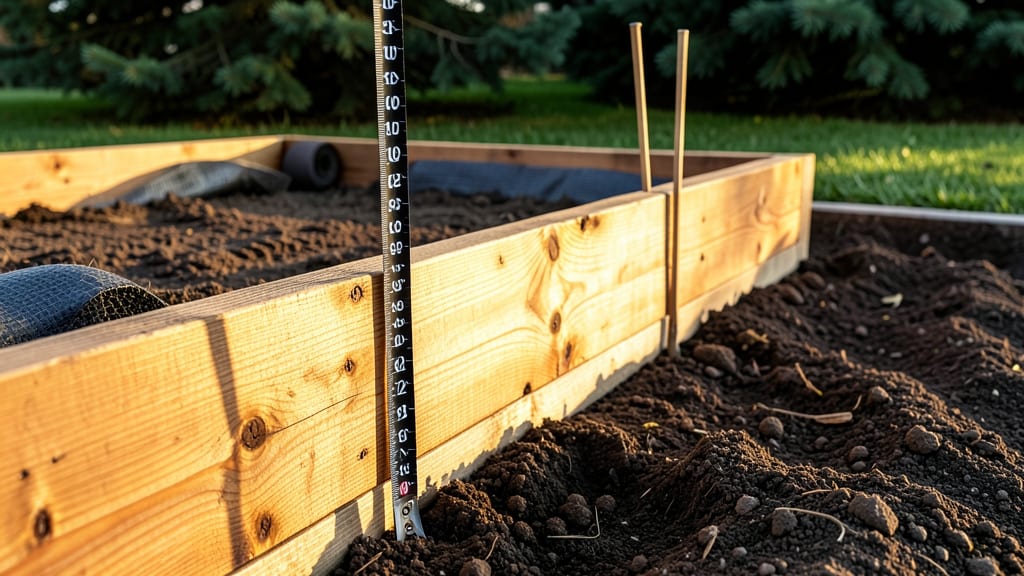
Getting the raised garden bed height right is the first step to a garden that works for you—and your back.
Picture this: you’re knee-deep in soil, but instead of bending over, you’re standing tall, planting with ease. That’s the magic of the right height. Too low, and you’ll be hunched over all season; too high, and drainage (or your wallet) might suffer.
Most gardeners aim for 6 to 12 inches, but whether you’re growing deep-rooted veggies or shallow herbs, the ideal height depends on your goals—accessibility, soil depth, or even how much you want to lift when watering.
Below, I’ll break down the science behind height, how it affects drainage and plant growth, and which dimensions save your back (and your knees) all season long.

Optimal raised garden bed height for root depth and plant growth
Choosing the right raised garden bed height is one of the first decisions that impacts your garden's success. Too shallow, and your plants won't have enough root space to thrive. Too tall, and you might waste resources or struggle with water retention.
Research shows that most gardeners benefit from beds between 6 and 12 inches tall, but the best height depends on what you're growing and your specific needs.
The ideal height balances root depth requirements, accessibility, and drainage efficiency. For example, carrots and potatoes need at least 12 inches of soil to develop properly, while herbs like basil thrive in just 6 inches.
Understanding these differences helps you design a bed that works for your plants without unnecessary construction.
Here's a quick reference to help you decide:
| Plant Type | Recommended Height | Root Depth Needs | Best For |
|---|---|---|---|
| Vegetables (tomatoes, peppers) | 8-12 inches | 12-18 inches | Deep-rooted plants |
| Herbs (basil, thyme, parsley) | 6-8 inches | 6-12 inches | Shallow-rooted plants |
| Flowers (marigolds, pansies) | 6-10 inches | 6-12 inches | Annuals and perennials |
| Root vegetables (carrots, potatoes) | 12+ inches | 18+ inches | Deep-rooted crops |
| Accessibility (wheelchair/kids) | 12-18 inches | Varies | Easy maintenance |
A 6-inch bed is perfect for shallow-rooted plants like lettuce, herbs, and strawberries. It’s lightweight, easy to build, and reduces material costs. However, it may not provide enough depth for larger plants like tomatoes or squash, which need more root space to support their growth.
On the other hand, a 12-inch bed offers more flexibility. It accommodates a wider variety of plants, including deep-rooted vegetables and perennials. The extra height also improves drainage, reducing the risk of waterlogging, which can lead to root rot.
Plus, taller beds are easier to access for people with mobility challenges.
If you're growing root crops like carrots or beets, consider going even higher—18 inches or more. These plants need ample soil depth to develop fully. For example, long carrot varieties can reach up to 16 inches underground, so a deeper bed ensures they won’t become stunted or forked.
For accessibility reasons, such as gardening with kids or wheelchair users, a 12- to 18-inch height is ideal. It allows for easier planting, weeding, and harvesting without straining your back. Plus, the extra height can help with soil temperature regulation, keeping roots cooler in hot climates.
Another factor to consider is soil retention. Taller beds hold more soil, which means you’ll need to replenish nutrients less frequently. However, they also require more watering, so plan for a drip irrigation system or consistent watering schedule to keep the soil moist without over-saturating it.
When building your raised bed, use cedar or untreated lumber for longevity and to avoid chemicals leaching into the soil. Line the bottom with landscape fabric to prevent weeds from invading while still allowing water to drain.
Fill the bed with a mix of topsoil, compost, and perlite for optimal drainage and nutrient retention.
Remember, the best raised garden bed height is one that meets your plants' needs while fitting your gardening goals. Start with a 6- to 12-inch bed for most vegetables and herbs, and adjust based on what you’re growing. Happy planting! 🌱
How raised garden bed height affects drainage and soil quality
The height of your raised garden bed plays a crucial role in how water moves through the soil and how nutrients are retained. Too low, and you risk poor drainage or erosion during heavy rains.
Too high, and you might struggle with moisture retention in sandy soils or overheating in hot climates. The balance between these factors directly impacts your plants' health and your long-term soil quality.
For most gardeners, a 6- to 12-inch height offers the best compromise. This range allows roots to spread comfortably while preventing waterlogging in clay-heavy soils. However, if you're working with sandy soil, you may need to adjust your approach entirely to retain moisture.
Let’s break down how height influences these critical aspects of your garden.
⚠️ Warning: Height Matters for Drainage!
A bed that’s too shallow (under 6 inches) can lead to compacted soil and poor root growth, while beds over 18 inches may dry out faster and require more frequent watering. For clay soils, taller beds (12+ inches) improve drainage, but for sandy soils, shorter beds (6-8 inches) help retain moisture.
Clay soils benefit from taller beds because the extra height creates space for organic matter to break down and improve soil structure over time. The deeper soil profile also allows water to drain more effectively, reducing the risk of root rot.
In contrast, sandy soils drain too quickly, so a shorter bed helps slow water movement and keeps roots hydrated longer.
Another key factor is erosion prevention. Taller beds (12-18 inches) protect soil from washing away during heavy rains, especially in sloped areas. To enhance this effect, I recommend adding a mulch layer around the base of the bed.
This not only reduces erosion but also encourages beneficial organisms to thrive in the soil.
Long-term soil health also depends on how you manage your bed’s height. Over time, organic matter decomposes, so taller beds naturally retain more nutrients.
If you’re growing deep-rooted plants like tomatoes or carrots, a 12-inch bed gives their roots the space they need to access nutrients deeper in the soil profile.
For sandy soils, consider amending the soil with compost or peat moss to improve water retention. If your bed is too tall, you might also need to add a water-retaining gel or plant drought-tolerant varieties like lavender or rosemary.
Always monitor soil moisture with a moisture meter to avoid over- or under-watering.
Ultimately, the best height for your raised bed depends on your soil type, climate, and the plants you’re growing. Start with a 6- to 12-inch bed, then adjust based on how your plants respond.
Over time, you’ll find the perfect balance for drainage, soil quality, and plant health. 🌱