I remember the first tomato I grew from seed—it was tiny, red, and tasted like sunshine on a summer afternoon. That moment hooked me for life. Now, I spend my days digging into soil, chasing the perfect bloom, and sharing the little joys of gardening that make it all worthwhile. This site is where I pass along the lessons I’ve learned, the plants that thrive in my zone, and the quiet magic of watching something grow from nothing.
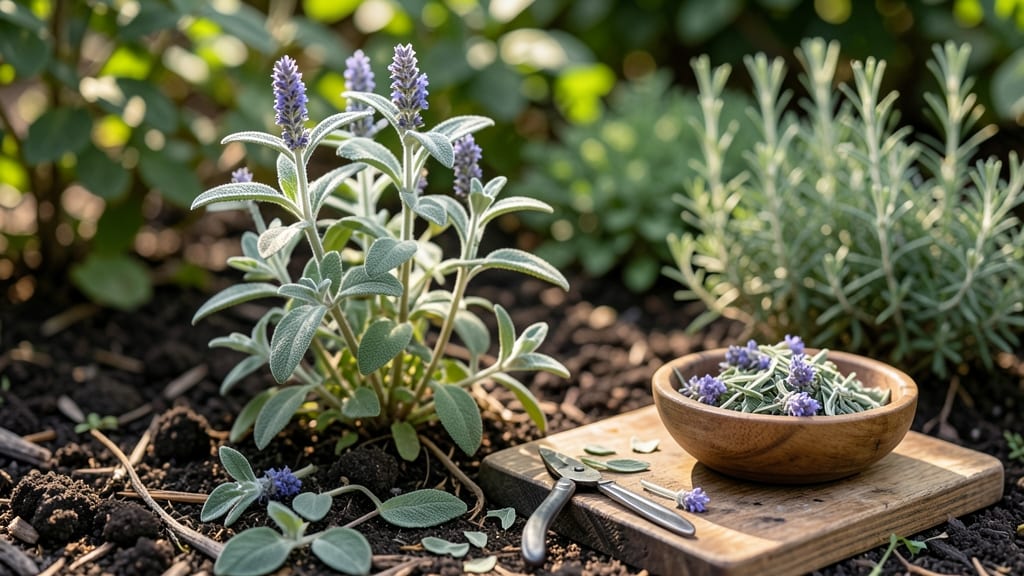
💥 Quick Answer Yes, garden sage is edible and widely used in cooking, offering a warm, earthy pine flavor perfect for stuffing, soups, and poultry dishes. All parts are safe to eat when fresh and properly prepared…
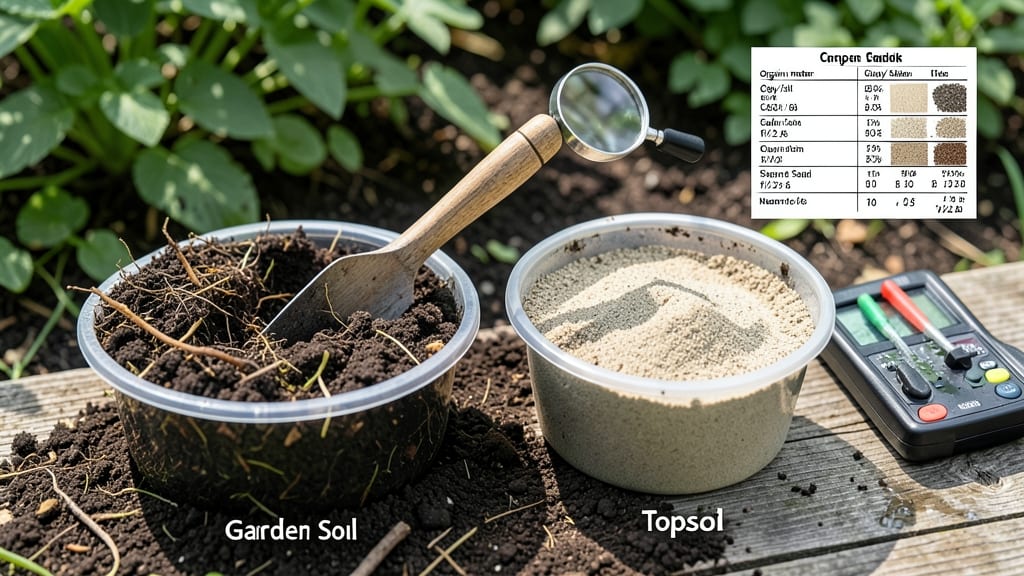
💥 Quick Answer Garden soil is not the same as topsoil: topsoil is the natural, nutrient-rich upper layer of soil found in nature, while garden soil is a customized blend designed for specific planting needs by mixing…
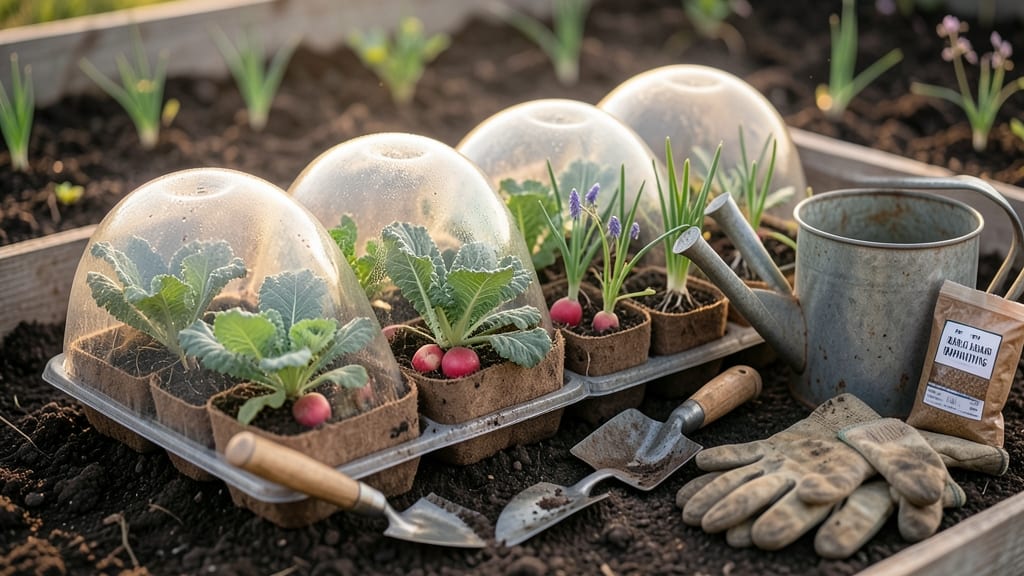
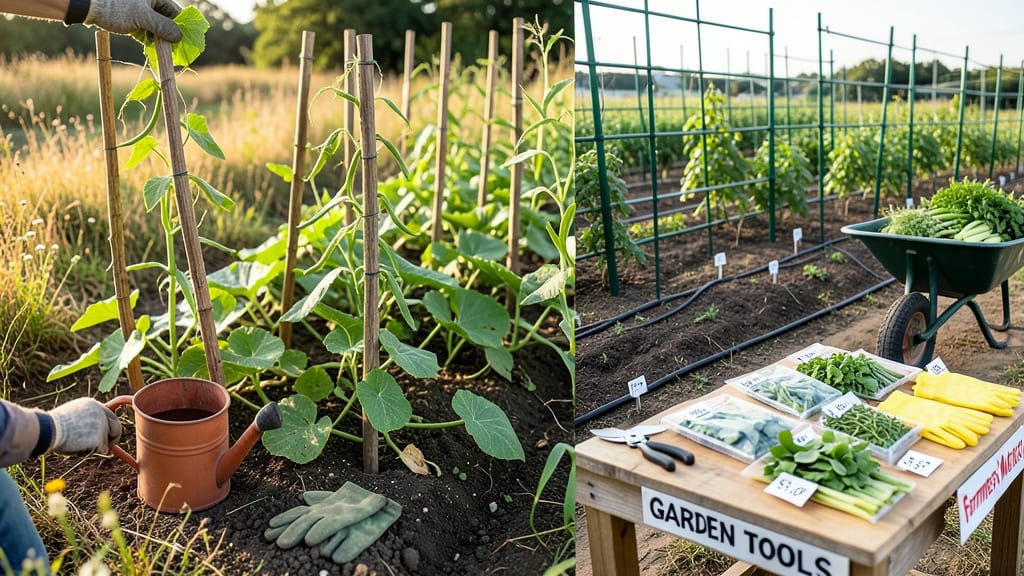
💥 Quick Answer June isn't too late to plant a garden—it just depends on your climate zone and what you're growing. Fast-growing vegetables like beans, cucumbers, and lettuce handle warm soil well, while delicate plants…
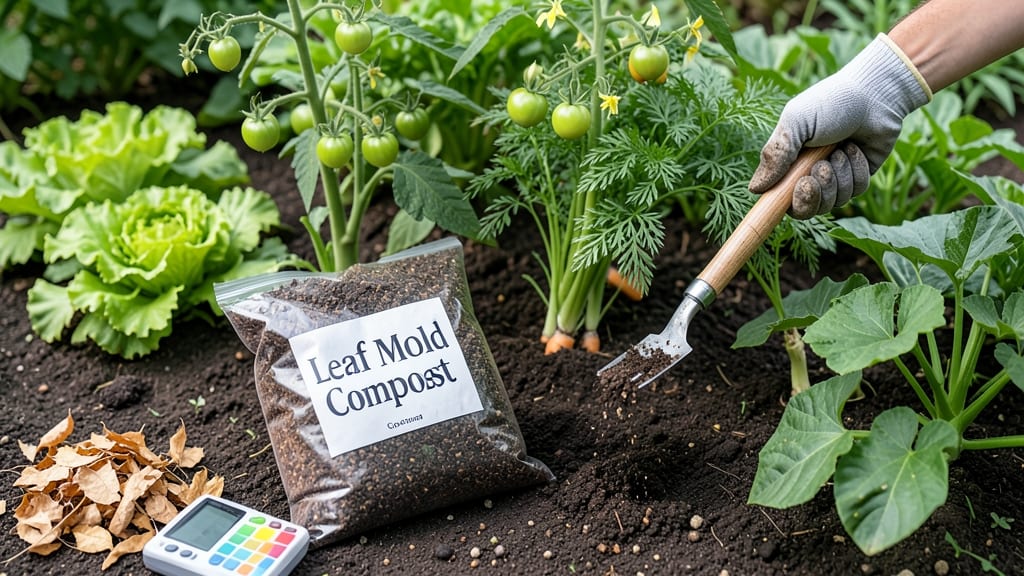
💥 Quick Answer Leaf compost is good for vegetable gardens because it enriches soil with organic matter, improves moisture retention, and provides slow-release nutrients like nitrogen, phosphorus, and potassium—though it…
💥 Quick Answer Market gardening can be either commercial or subsistence farming, depending on your scale, goals, and how you sell your produce. Whether your garden qualifies as commercial or subsistence hinges on three…
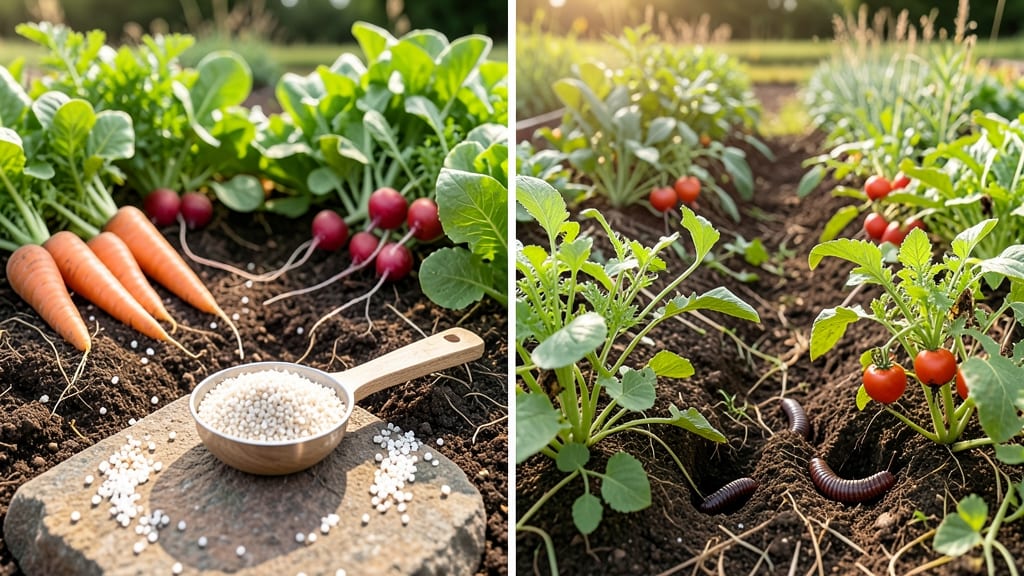
💥 Quick Answer Milky spore is safe for vegetable gardens because it specifically targets Japanese beetle grubs while leaving plants unharmed, but experts still debate its long-term effects on soil microbes and organic…
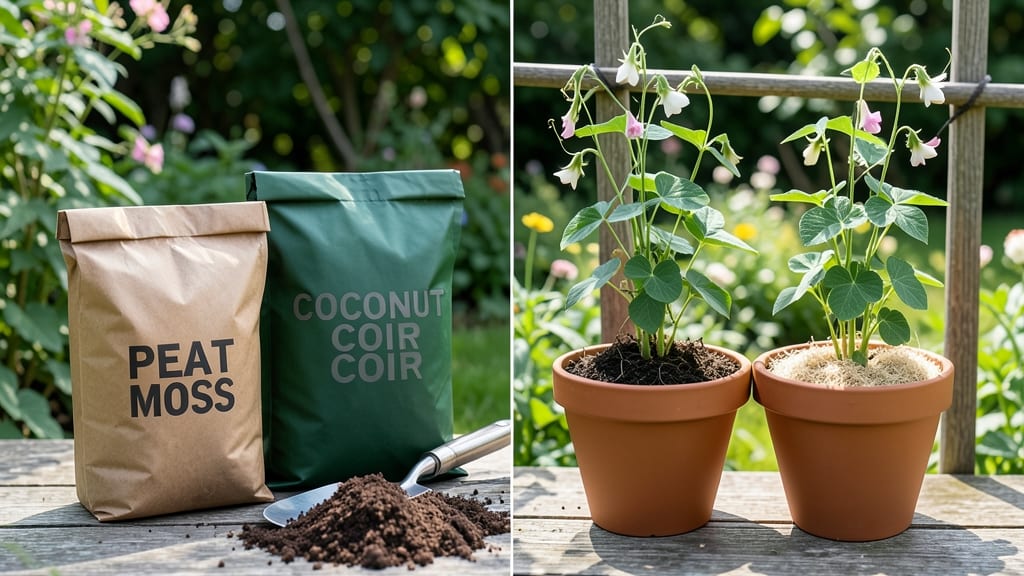
💥 Quick Answer Peat moss is bad for vegetable gardens because it’s harvested from fragile ecosystems, depleting carbon stores and harming biodiversity. Sustainable alternatives like coconut coir or compost improve soil…
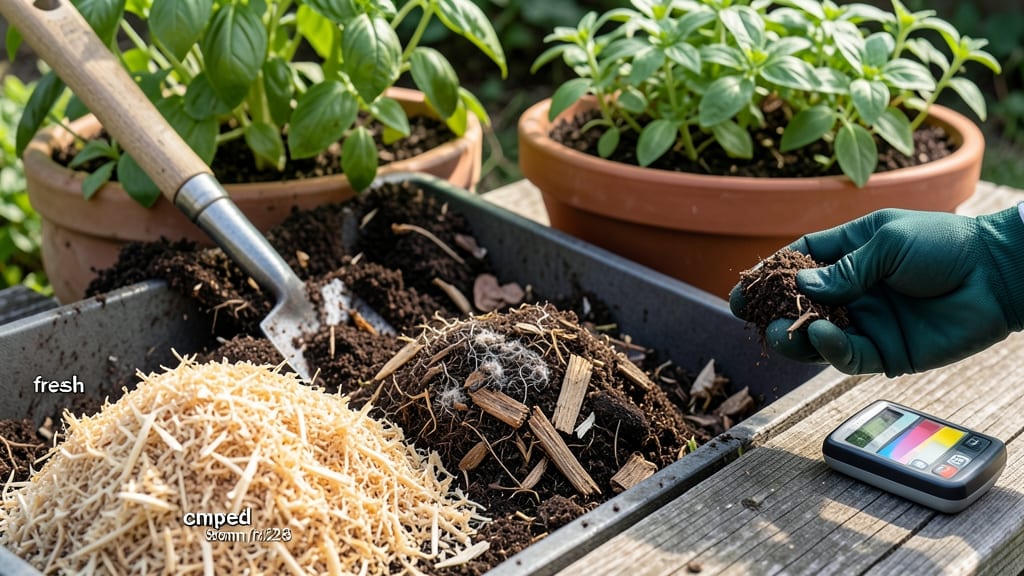
💥 Quick Answer Is sawdust good for gardens? It can improve soil texture and moisture retention, but its effectiveness depends on wood type and soil acidity—untreated hardwoods like oak are safer than softwoods like…
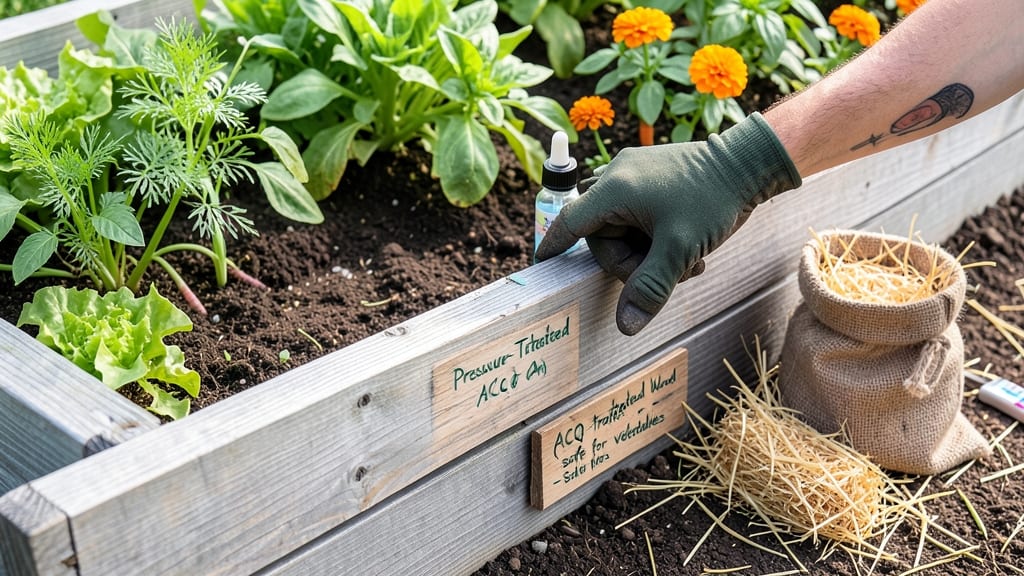
💥 Quick Answer Is treated wood safe for gardens? Using older pressure-treated lumber requires caution, as it often contains arsenic, chromium, and copper that can leach into soil over time. Only ACQ or MCQ-treated wood…
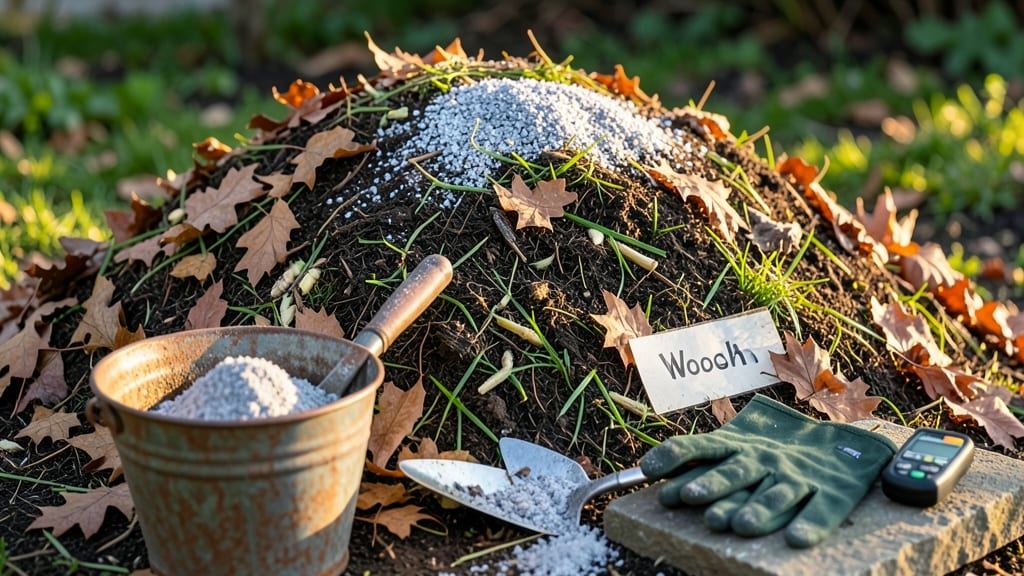
💥 Quick Answer Wood ash can be good for garden soil as a natural way to raise pH in acidic conditions, adding essential minerals like potassium and calcium while improving soil structure—but only when used carefully…