
Tools
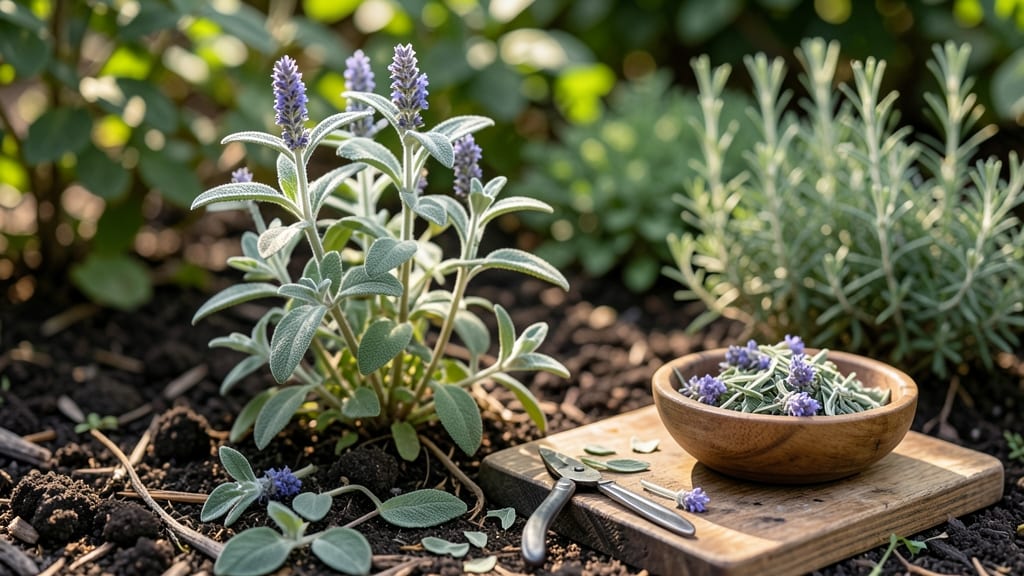
Yes, garden sage is edible and widely used in cooking, offering a warm, earthy pine flavor perfect for stuffing, soups, and poultry dishes. All parts are safe to eat when fresh and properly prepared, though overconsumption may cause mild digestive discomfort.
Garden sage isn't just safe to eat—it's a kitchen staple with a rich history in both savory and herbal preparations. 🌿 The leaves are the most commonly used part, but young stems and flowers also add subtle pine-like notes to dishes.
What makes it unique is its versatility: you'll find it in everything from Italian stuffing to Middle Eastern teas, proving its adaptability across cuisines. Just remember to harvest it fresh or properly dry it to preserve those aromatic compounds that give it its signature flavor.
For those worried about safety, the key is moderation. While sage contains compounds like thujone in small amounts, they're only problematic in extremely high doses—far beyond what you'd encounter in normal cooking.
The real magic happens when you balance its earthy depth with complementary ingredients like garlic, onions, or citrus, creating dishes that feel both comforting and sophisticated.
💡 In This Article
- Botanical and Culinary Safety of Garden Sage
- Top Ways to Cook and Preserve Edible Sage
Botanical and culinary safety of garden sage
Garden sage (Salvia officinalis) belongs to the mint family and contains over 100 volatile aromatic compounds, with the most prominent being thujone and camphor. These oils give sage its distinctive pine-like aroma and flavor, but they're also why moderation matters.
The leaves contain about 0.5-1.5% essential oils, while stems have slightly less (0.3-0.8%). The flowers, though milder, contribute a delicate floral note when used fresh.
What makes sage safe for consumption is its low thujone content compared to its toxic cousin, wormwood. Sage typically contains 0.05-0.1% thujone—far below the 0.5% threshold where toxicity becomes a concern.
Historically, sage was used in medieval Europe as a preservative and in Native American herbal remedies for digestive ailments, proving its long-standing culinary and medicinal safety when prepared properly. The key is balance: using sage as a seasoning rather than consuming it in pound quantities.
All parts of the plant are edible when fresh, but the flavor intensity varies dramatically. Fresh leaves have a bright, slightly peppery quality that mellows into a warm, earthy pine when cooked. Dried sage loses some moisture but concentrates its flavor, making it 3-4 times more potent than fresh.
The stems, while less flavorful, add a pleasant woody texture when finely chopped, while flowers contribute a subtle citrusy lift to dishes. 🌿
Toxicity risks only emerge with excessive intake—consuming more than 10 grams of dried sage per day (about 2-3 tablespoons) for extended periods could cause mild digestive upset or headaches due to thujone's mild neurotoxic effects.
However, this is an extreme scenario: most recipes use 1-2 teaspoons of dried sage per dish, far below dangerous levels. The real culinary challenge is finding the sweet spot where sage enhances rather than dominates a dish.
Interestingly, sage's safety extends beyond human consumption. Its antimicrobial properties make it a natural food preservative—ancient Romans used it to line storage jars, and modern chefs still incorporate it into cured meats and fermented foods.
This dual role as both seasoning and preservative highlights its versatility in both traditional and contemporary kitchens. The plant's resilience also means it can be grown in USDA zones 5-8, thriving in poor soil and requiring minimal care, making it accessible for home gardeners.
For those harvesting wild sage, identification is crucial—S. officinalis has gray-green, wrinkled leaves and square stems, while lookalikes like white sage (Salvia apiana) have different flavor profiles. Always harvest from organic sources or your own garden to avoid pesticide contamination, which can diminish the herb's delicate flavor.
When in doubt, start with small quantities to test both flavor and tolerance. 💫