
Planting
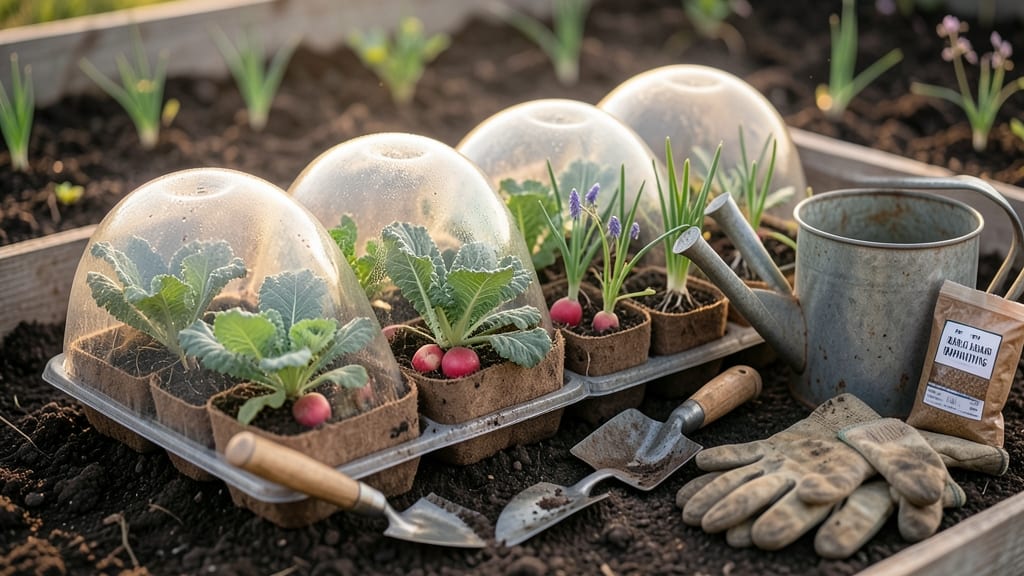
June isn't too late to plant a garden—it just depends on your climate zone and what you're growing. Fast-growing vegetables like beans, cucumbers, and lettuce handle warm soil well, while delicate plants need shade or evening watering. Always verify your last frost date and soil temperature before planting.
Your success hinges on two key factors: heat tolerance and timing. 🌱 In cooler climates (USDA zones 1-5), June is ideal for warm-season crops like beans and squash, while in hotter zones (6-10), you'll want to focus on fast-maturing varieties or provide afternoon shade.
The secret weapon here is mulching—it keeps roots cool and retains moisture, which is critical during summer's peak heat. I've found that planting leafy greens in partial shade can extend their growing season by weeks, giving you fresh harvests well into fall.
For best results, aim for crops with 30-60 day maturity timelines—radishes, bush beans, and zucchini are perfect examples. These varieties can go from seed to harvest before summer's worst heat sets in.
Don't forget about succession planting: stagger your sowing every 2-3 weeks to ensure continuous harvests rather than one big yield. This approach works especially well for heat-loving plants that thrive in the remaining summer months.
💡 In This Article
- June Planting Success by Climate Zone and Plant Type
- Fast-Growing Summer Crops for June Planting
June planting success by climate zone and plant type
The answer to whether June is too late depends entirely on your USDA hardiness zone and the specific plants you're growing. In cooler climates like zones 1-5, June is actually the perfect time to plant warm-season crops that thrive in summer's warmth—think beans, cucumbers, and squash.
These plants need soil temperatures above 60°F to germinate, which June's warmth provides. Meanwhile, in hotter zones 6-10, you'll want to focus on heat-tolerant varieties or provide afternoon shade for delicate plants like lettuce or spinach.
Soil temperature is the critical factor here. Most warm-season vegetables prefer soil between 70-85°F, while cool-season crops like kale or peas struggle above 80°F. You can test your soil temperature with a simple thermometer—if it's consistently above 75°F, stick to heat-loving plants.
The key is matching plant preferences with your local microclimate. For example, I've had great success growing Swiss chard in full sun during summer in zone 7, while my neighbor's tomatoes wilted without afternoon shade.
Heat-sensitive crops like tomatoes and peppers need special attention. These plants can handle warm soil but will suffer from afternoon heat stress. The solution? Use shade cloth (30-50% coverage) or plant them near taller crops that provide natural shade.
Another trick is to water deeply in the evening—this keeps roots cool and provides moisture when temperatures drop. For containers, choose dark-colored pots that absorb heat during the day and release it slowly at night, creating a more stable growing environment.
Herbs are the unsung heroes of summer planting. Many herbs like basil, oregano, and thyme actually thrive in the heat and can be planted right through June. Their strong aromatics help repel pests naturally, reducing the need for chemical interventions.
The secret is to keep them well-watered but not soggy—herbs prefer their soil to dry out slightly between waterings. This approach works particularly well in containers, where you can control drainage and moisture levels precisely.
Don't overlook the power of mulching. A 2-3 inch layer of organic mulch (straw or shredded leaves) keeps soil temperatures stable and reduces evaporation. This is especially important in late June when temperatures start climbing.
The mulch also suppresses weeds, which compete with your plants for water and nutrients. I've seen mulched beds maintain moisture for days longer than unmulched ones, which is a game-changer during summer droughts.
For those in cooler zones, June is also an excellent time to start cool-season crops for fall harvests. Plant seeds like spinach or radishes in partial shade—they'll appreciate the cooler conditions as summer progresses.
The key is to choose varieties with shorter maturity times (under 45 days) to ensure they mature before fall's first frost. This strategy gives you two harvests in one season: summer greens and fall crops.