
Vegetables
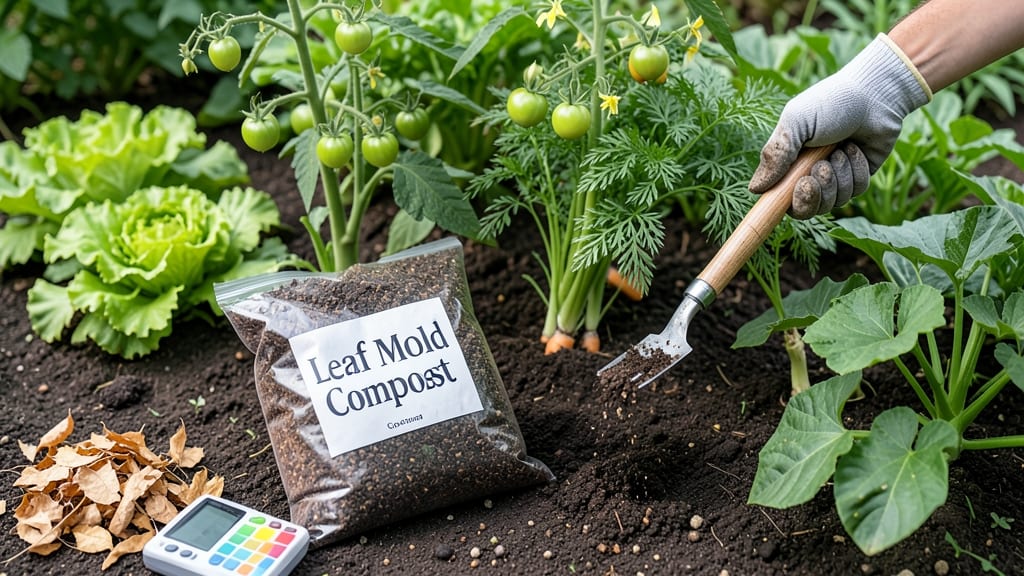
Leaf compost is good for vegetable gardens because it enriches soil with organic matter, improves moisture retention, and provides slow-release nutrients like nitrogen, phosphorus, and potassium—though it may require aging to avoid phytotoxins from high carbon content.
Leaf compost works wonders for vegetable gardens by acting like a slow-release fertilizer that gently feeds plants over time. 🌱 The high carbon content improves soil structure, creating ideal conditions for root growth, while the balanced nutrients—especially potassium—help vegetables thrive during fruiting stages.
However, fresh leaf compost can sometimes be too acidic or high in carbon, so I always recommend composting it for at least 6 months before using it in garden beds. This aging process reduces phytotoxins and makes it safer for delicate plants like lettuce or spinach.
For best results, I mix leaf compost with nitrogen-rich amendments like well-rotted manure or grass clippings to achieve a balanced 30:1 carbon-to-nitrogen ratio. This combination creates the perfect environment for beneficial microbes while preventing nutrient imbalances that could stunt plant growth.
The key is patience—leaf compost won't provide immediate results like synthetic fertilizers, but its long-term benefits make it worth the wait for healthier, more productive vegetable gardens.
💡 In This Article
- Nutrient Composition of Leaf Compost for Vegetable Growth
- Best Practices for Using Leaf Compost in Vegetable Beds
Nutrient composition of leaf compost for vegetable growth
Leaf compost is a powerhouse for vegetable gardens because it delivers a unique blend of nutrients that support plant growth at every stage. The carbon-to-nitrogen ratio (C:N) typically ranges from 30:1 to 40:1, which is ideal for microbial activity that breaks down organic matter into plant-available forms.
This high carbon content improves soil structure by creating stable aggregates that hold moisture while allowing air circulation—critical for root development in vegetables like tomatoes and peppers.
What makes leaf compost particularly valuable is its slow-release nutrient profile. While it contains moderate amounts of nitrogen (1-2%), phosphorus (0.2-0.5%), and potassium (0.5-1%), these nutrients become available gradually as microbes decompose the material.
This steady release prevents nutrient spikes that can burn plant roots, unlike synthetic fertilizers. The compost also contains trace minerals like calcium, magnesium, and micronutrients such as iron and zinc, which are essential for chlorophyll production and enzyme function in vegetables.
One standout feature is how leaf compost enhances soil biology. The decomposition process fosters beneficial microbes and fungi that form symbiotic relationships with plant roots, improving nutrient uptake.
For example, mycorrhizal fungi in leaf compost can increase phosphorus availability by up to 30%, which is crucial for flowering and fruiting vegetables. The dark, crumbly texture also improves water infiltration, reducing runoff and helping gardens retain moisture during dry spells—something leafy greens like spinach and kale appreciate.
However, fresh leaf compost can sometimes be too acidic (pH 5.5-6.5) due to tannins from fallen leaves, which may inhibit nutrient uptake in sensitive plants. Aging the compost for 6-12 months reduces these phytotoxins and stabilizes the pH closer to neutral (6.5-7.5).
This makes it safer for all vegetable types, including brassicas that prefer slightly alkaline conditions. The microbial activity during aging also converts complex organic matter into humus, creating a rich, dark amendment that resembles forest floor soil.
Consider this comparison: While manure provides immediate nitrogen, leaf compost builds soil fertility over time by improving physical structure and microbial diversity.
For instance, a 1-inch layer of mature leaf compost spread over garden beds can increase soil organic matter by 2-3% annually, leading to healthier plants with stronger resistance to pests and diseases.
The key is balancing its high carbon with nitrogen sources like alfalfa meal or blood meal to maintain optimal microbial activity.
For vegetable gardens, the real magic happens when leaf compost is incorporated into the soil before planting. Its ability to hold 3-4 times its weight in water while maintaining aeration creates an ideal growing medium.
This is why many organic gardeners swear by it—it's not just about the nutrients, but the complete ecosystem it supports for thriving vegetables.