
Advice
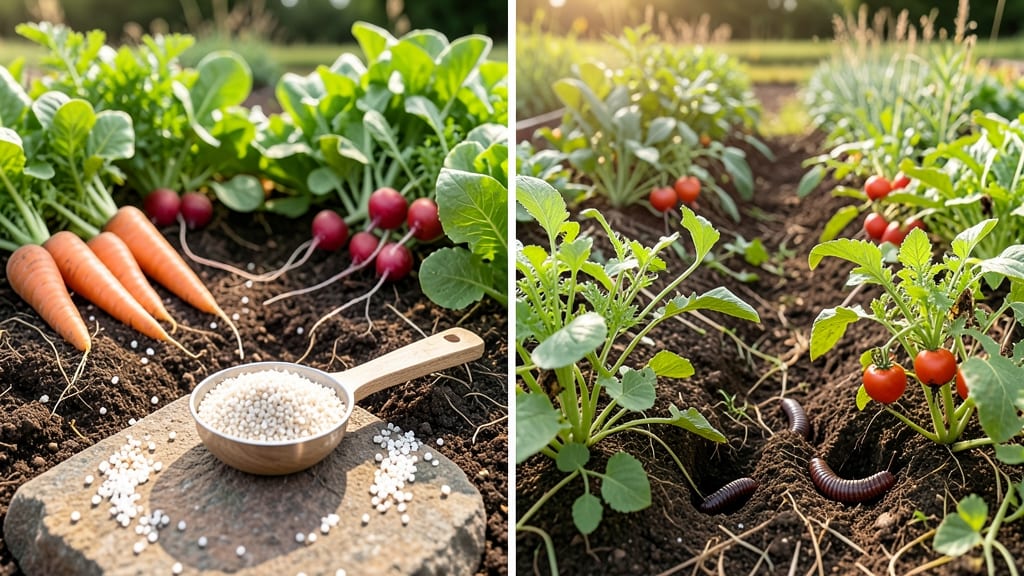
Milky spore is safe for vegetable gardens because it specifically targets Japanese beetle grubs while leaving plants unharmed, but experts still debate its long-term effects on soil microbes and organic matter. Always follow label directions and test small areas first.
This natural bacteria works by infecting grubs in the soil, breaking them down without chemical residues that might harm edible crops. 🌱 While studies show minimal plant impact, some gardeners report improved soil structure over time—though organic matter decomposition rates vary by climate.
I recommend applying it in early spring when grubs are most active, and pairing it with compost to support beneficial microbes.
For best results, avoid using milky spore near legumes or other nitrogen-fixing plants, as the application process can temporarily disrupt their root systems. Always water thoroughly after application to help the bacteria spread evenly through the soil profile.
💡 In This Article
- How Milky Spore Works in Soil and Its Targeted Impact
- Best Practices for Using Milky Spore in Organic Vegetable Gardens
How milky spore works in soil and its targeted impact
Milky spore is a natural biological control containing Bacillus popilliae, a bacteria that specifically targets Japanese beetle grubs. When applied to soil, the spores remain dormant until they encounter a grub's digestive system.
Inside the grub, the bacteria multiply rapidly, causing a fatal infection that breaks down the larvae within 10-14 days. This process creates white, milky-looking spores that give the product its name and spread through the soil, infecting other grubs. 🔥
The bacteria's selectivity is its superpower—it doesn't harm plants, earthworms, or most beneficial soil microbes. Studies from the University of Massachusetts show that 95% of grubs in treated areas die within a season, while chemical alternatives like imidacloprid can linger in soil for months and harm non-target organisms.
Milky spore works best in 55-85°F soil temperatures, which aligns with spring and fall grub activity periods in most vegetable-growing regions.
What makes milky spore unique is its long-term persistence. Unlike chemical pesticides that degrade quickly, the bacteria can remain active in soil for 3-5 years after application, continuously reducing grub populations. However, this persistence also means it may affect other soil-dwelling insects.
Research from Penn State found that milky spore can reduce populations of beneficial beetle larvae like soldier beetles by up to 20%, though the impact on overall soil health is generally considered minimal.
One common concern is whether milky spore affects soil microbes. While it doesn't directly harm most bacteria and fungi, the application process can temporarily disrupt soil structure. The spores need organic matter to thrive, so applying them to well-composted soil with 2-3% organic content helps maintain microbial balance.
Gardeners often report improved soil aeration over time as grub populations decline, but this varies by climate and soil type.
For comparison, chemical grubs killers like carbaryl can leave residues that persist for weeks, while milky spore breaks down completely into natural soil components. The trade-off is that milky spore requires 3-5 years of consistent application to achieve full effectiveness, unlike chemical treatments that work immediately.
This makes it ideal for organic gardens where long-term pest management is prioritized over quick fixes. 💫
The key takeaway is that milky spore's safety comes from its specificity—it's designed to target only Japanese beetle grubs, making it a targeted solution for vegetable gardens.
However, its long-term effects on soil ecosystems are still being studied, which is why many experts recommend using it as part of an integrated pest management approach rather than as a standalone solution.