
Vegetables
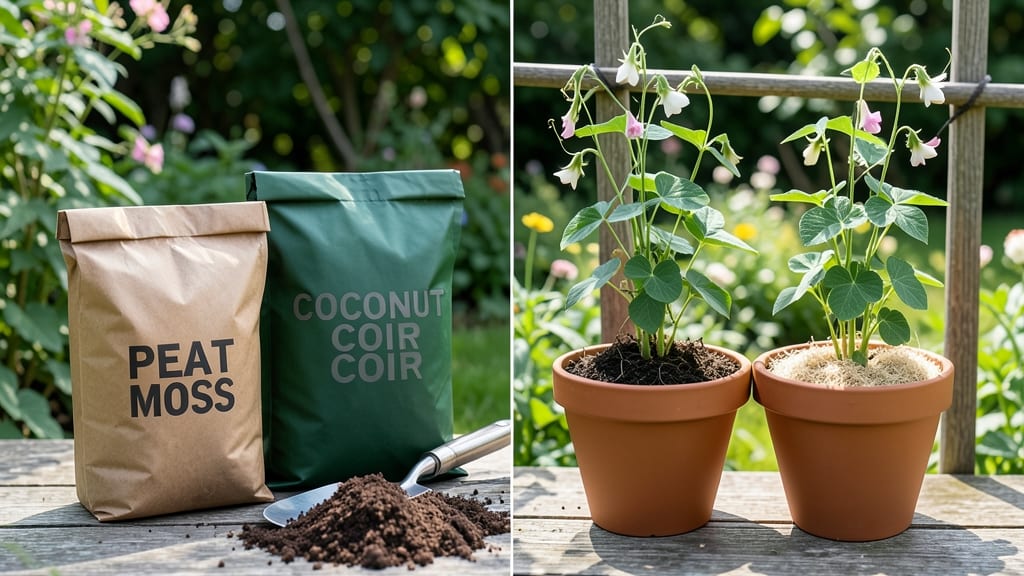
Peat moss is bad for vegetable gardens because it’s harvested from fragile ecosystems, depleting carbon stores and harming biodiversity. Sustainable alternatives like coconut coir or compost improve soil without environmental harm.
Peat moss extraction destroys delicate wetlands that take centuries to form, releasing stored carbon into the atmosphere and disrupting wildlife habitats. 🌍 These ecosystems act like natural sponges, storing more carbon per acre than most forests—yet they regenerate at a glacial pace.
For vegetable gardens, this means not only supporting climate change but also risking long-term soil degradation from overharvested, low-nutrient peat.
Fortunately, plant-based alternatives like coconut coir mimic peat moss's moisture-retaining properties while breaking down harmlessly. Compost adds organic matter that improves soil structure and microbial life, creating a thriving environment for vegetables. Both options support sustainable gardening without compromising your harvest's health.
💡 In This Article
- Environmental Harm of Peat Moss in Gardening
- Best Peat-Free Soil Amendments for Vegetable Gardens
Environmental harm of peat moss in gardening
Peat moss comes from peatlands—wetlands that store 20-30% of the world's soil carbon, more than all forests combined. When harvested, these ecosystems release 400 million tons of CO₂ annually, accelerating climate change.
The extraction process also drains water tables, turning vibrant wetlands into dry, barren landscapes that take 1,000 years to regenerate naturally. 🌍
Beyond carbon loss, peatlands are biodiversity hotspots. Over 30% of European peatland species rely on these habitats, including rare orchids, carnivorous plants, and migratory birds. Destruction fragments ecosystems, disrupting food chains and reducing genetic diversity.
For vegetable gardens, this means supporting an industry that depletes resources your plants could thrive without.
The slow regeneration of peatlands makes sustainable sourcing nearly impossible. Even "sustainably harvested" peat takes decades to replenish, while alternatives like coconut coir regenerate in 3-5 years.
Peat moss also acidifies soil over time, requiring constant lime amendments for vegetable crops—adding more labor and chemical inputs to your gardening routine.
Water retention is often cited as peat moss's biggest benefit, but coconut coir holds 7-10 times its weight in water while breaking down into beneficial organic matter.
Peat, meanwhile, decomposes so slowly it creates a sterile, nutrient-poor medium that suppresses beneficial microbes—critical for vegetable health. The environmental cost simply isn't worth the temporary convenience.
Consider this: Every cubic meter of peat removed releases the same CO₂ as burning 250 gallons of gasoline. For gardeners who care about both their harvest and the planet, the choice is clear—peat moss offers short-term benefits at a long-term ecological cost that no vegetable garden should support. 🌱