
Tools
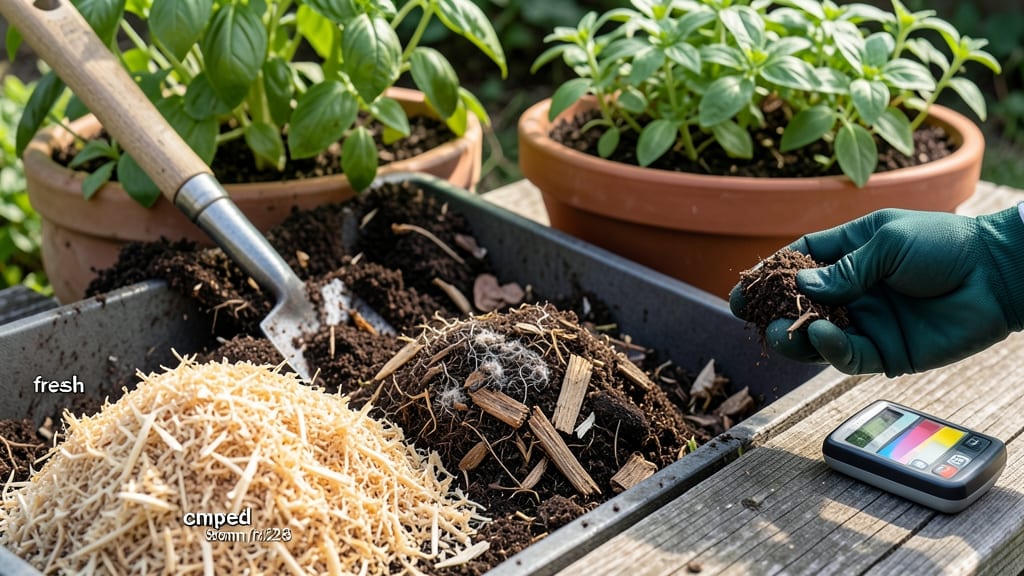
Is sawdust good for gardens? It can improve soil texture and moisture retention, but its effectiveness depends on wood type and soil acidity—untreated hardwoods like oak are safer than softwoods like pine, which may increase soil acidity and harm plants. Always compost or age it first to prevent nutrient competition.
Is sawdust good for gardens?
It isn't a one-size-fits-all solution, but when used correctly, it can be a game-changer for your garden. 🌱 The key lies in the wood type—hardwoods like oak or maple break down slowly and add organic matter without drastically altering soil pH, while softwoods like pine release acidic compounds that can stunt plant growth.
I've found that pre-composting sawdust for at least 3-6 months transforms it into a nutrient-rich soil conditioner, perfect for improving drainage in heavy clay soils or adding bulk to sandy patches.
For best results, mix sawdust with existing soil at a ratio of 1:4 (sawdust to soil) and keep it moist to speed up decomposition. 💫 Acid-loving plants like blueberries and azaleas actually thrive with slightly acidic sawdust, but for vegetables and most flowers, stick to hardwood varieties and test your soil pH regularly.
The golden rule? Never use fresh sawdust directly on garden beds—it can smother roots and create an anaerobic environment that blocks oxygen flow.
💡 In This Article
- How Sawdust Affects Soil pH and Plant Health
- Best Practices for Using Sawdust in Garden Beds
How sawdust affects soil pH and plant health
When sawdust breaks down in soil, it undergoes a chemical transformation that directly impacts pH levels.
Hardwood varieties like oak or maple decompose slowly, gradually releasing lignin and cellulose that create a neutral to slightly alkaline environment (pH 6.5-7.5). 🌿 The decomposition process also stimulates beneficial fungi and bacteria, which help break down organic matter into plant-accessible nutrients.
Softwoods like pine or cedar, however, contain higher levels of tannins and resins that lower soil pH (often dropping to 5.0-6.0), which can harm most vegetables and flowers that prefer neutral conditions.
The texture of sawdust plays a critical role too—its fine particles create tiny air pockets that improve soil aeration, but when fresh, it can form a dense mat that blocks water and oxygen from reaching roots.
This is why gardeners often see poor germination rates when using untreated sawdust directly. 🌱 The decomposition process typically takes 3-6 months for hardwoods and 6-12 months for softwoods, during which time the sawdust loses its initial compact structure and becomes more porous.
The key is patience: rushing the process can smother plant roots and create anaerobic conditions that produce harmful gases like methane.
Microbial activity is another critical factor. Sawdust provides a food source for soil microbes, but the type of wood determines which microbes thrive.
Hardwoods support diverse microbial communities that include nitrogen-fixing bacteria, while softwoods often favor acid-loving microbes that can deplete available nitrogen. 🧬 This microbial shift explains why plants may show stunted growth when softwood sawdust is used—even if the pH seems acceptable. The solution?
Always compost sawdust before use to create a balanced microbial ecosystem that benefits all plants.
One surprising benefit is sawdust's moisture retention properties. Fresh sawdust can absorb up to 3 times its weight in water, which helps prevent soil erosion and maintains consistent moisture levels.
However, this same property can backfire if overused—excessive moisture retention creates the perfect environment for fungal diseases like root rot. 💧 The ideal application is a 10-20% mix with existing soil, never exceeding 30% to avoid compacting the soil structure.
For container gardens, a 1:3 ratio of sawdust to potting mix works well for moisture control.
Let's talk about plant compatibility. Acid-loving plants like blueberries, azaleas, and rhododendrons actually thrive with softwood sawdust, which can maintain their preferred pH of 4.5-5.5. 🌸 However, most vegetables (tomatoes, peppers, lettuce) and neutral-soil plants (roses, lavender) require hardwood varieties.
The pH shift happens gradually—within 6 months of application—but regular soil testing is essential to monitor changes. I've seen gardeners accidentally turn their vegetable beds too acidic by using pine sawdust, leading to nutrient deficiencies like iron chlorosis (yellowing leaves with green veins).
For those using sawdust as mulch, the effects are different.
A 2-3 inch layer of aged hardwood sawdust around plants helps regulate soil temperature and suppress weeds, but it won't significantly alter pH. The key difference is that mulch doesn't get incorporated into the soil—it stays on top where decomposition happens more slowly. 🌿 This makes it ideal for perennial beds where you want long-term soil protection without pH disruption.
The mulch method is particularly effective for acid-loving shrubs where you want to maintain their natural soil conditions without frequent amendments.
Here's what most gardeners overlook: sawdust contains very little nitrogen, which means it can temporarily "steal" nitrogen from the soil as microbes decompose it.
This is called the "nitrogen drawdown" effect, and it can lead to yellowing leaves if your plants aren't getting enough nitrogen during this transition period. 💡 To prevent this, always mix sawdust with a nitrogen-rich material like compost or manure (at a 1:1 ratio) to provide microbes with the nutrients they need to break down the sawdust efficiently.
This simple step can make the difference between healthy plants and stunted growth.