
Tools
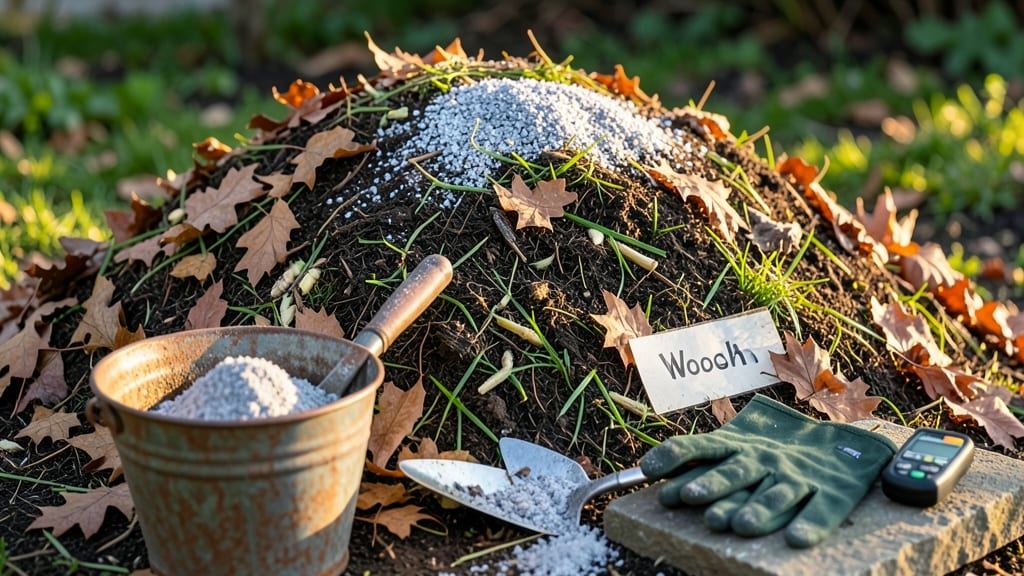
Wood ash can be good for garden soil as a natural way to raise pH in acidic conditions, adding essential minerals like potassium and calcium while improving soil structure—but only when used carefully. Overapplication risks making soil too alkaline, which can stress acid-loving plants like azaleas and blueberries.
Wood ash works by neutralizing soil acidity through its alkaline properties, which can help balance pH levels for plants that thrive in neutral to slightly alkaline conditions. 🔥 The minerals it provides—like potassium and calcium—support root development and overall plant vigor, though the benefits depend entirely on your soil's current state.
I always recommend starting with a soil test to determine whether your garden actually needs this pH adjustment before applying any wood ash.
One key consideration is the type of wood used—hardwood ashes (like oak or maple) are safer than softwood ashes (like pine), which can introduce harmful chemicals.
For best results, spread a thin layer (1 pound per 100 square feet) and work it into the top inch of soil during early spring or fall, avoiding direct contact with plant stems to prevent leaf burn.
💡 In This Article
- How Wood Ash Alters Soil Chemistry and Plant Health
- Safe Wood Ash Application Methods for Garden Beds
How wood ash alters soil chemistry and plant health
Wood ash works as a natural soil amendment because it's primarily composed of potassium carbonate and calcium oxide, both highly alkaline compounds. When mixed into acidic soil (pH below 6.5), these compounds react with hydrogen ions in the soil, neutralizing acidity and raising the pH toward neutral (around 7.0).
This chemical reaction occurs almost instantly upon contact with moisture, which is why watering the soil after application helps activate the pH adjustment process. The resulting higher pH makes nutrients like phosphorus and nitrogen more available to plants that prefer slightly alkaline conditions, such as beans, squash, and most vegetables.
The mineral content of wood ash provides essential nutrients that directly benefit plant growth. A typical analysis shows wood ash contains about 3-5% potassium oxide (K₂O), 20-30% calcium oxide (CaO), and trace amounts of phosphorus and magnesium.
These nutrients support root development and cell wall strength—potassium helps regulate water uptake and stress responses, while calcium strengthens cell structure.
However, the actual availability of these minerals depends on soil pH: in overly alkaline conditions (above 7.5), phosphorus becomes locked away and unavailable to plants, creating a nutrient deficiency despite the ash's presence. 🌱
Beyond pH and nutrients, wood ash improves soil structure by adding fine, gritty particles that enhance aeration and drainage. The ash's porous texture helps break up compacted soil, allowing roots to penetrate more easily. This physical improvement is particularly valuable in clay-heavy soils where waterlogging can occur.
The ash also introduces beneficial microbes that thrive in slightly alkaline conditions, though these effects are subtle and require consistent application over time.
For example, in a sandy loam soil with pH 5.8, adding wood ash might raise the pH to 6.5 within weeks, creating an ideal environment for tomatoes or peppers.
However, the effects aren't universal—acid-loving plants like blueberries, azaleas, and hydrangeas suffer when soil pH rises above their preferred range (4.5-5.5). The alkaline ash can cause nutrient imbalances, particularly by reducing manganese and iron availability, leading to yellowing leaves (chlorosis) even when other nutrients appear sufficient.
This is why soil testing before application is critical: a simple home test kit (costing around $10) can reveal whether your garden needs acidification or alkalization before you commit to wood ash.
Another often-overlooked factor is the ash's solubility. While potassium and calcium dissolve readily in water, phosphorus in wood ash exists primarily as calcium phosphate, which dissolves very slowly. This means the phosphorus benefits are long-term rather than immediate, making wood ash a better soil conditioner than a quick nutrient fix.
For comparison, a 1-pound application per 100 square feet might provide about 0.1 pounds of potassium—enough to supplement but not replace fertilizer for heavy feeders like corn or potatoes.
Consider this chemical reality: wood ash's pH-raising power comes at a trade-off. While it benefits alkaline-tolerant plants, it can create a vicious cycle for acid-loving species—each application makes the soil less suitable for them over time.
The key is precision: use wood ash only when your soil test confirms acidity, and always pair it with organic matter (like compost) to buffer the alkalinity and maintain microbial diversity. 💫