
Planting
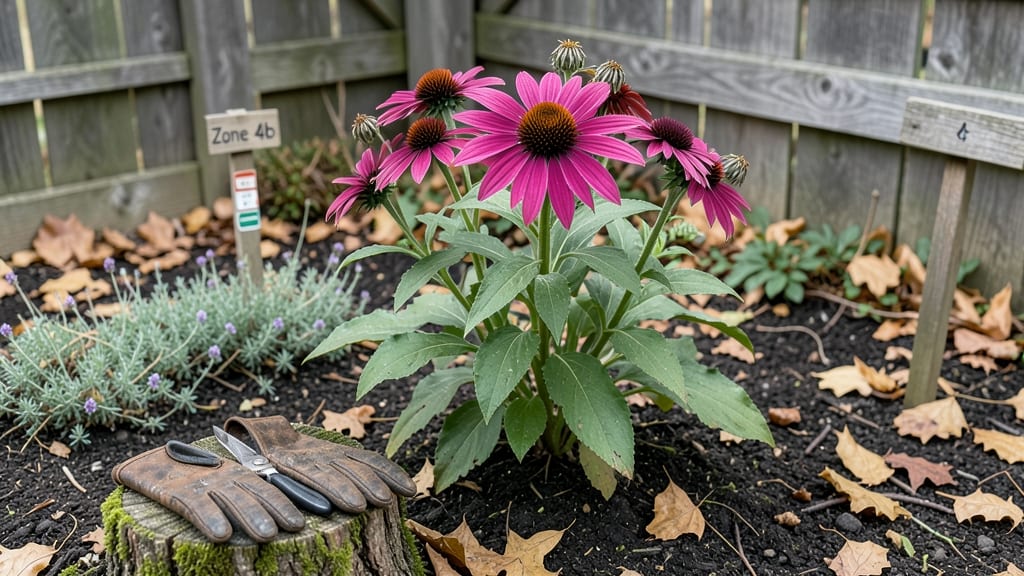
Zone 4B gardening thrives with cold-hardy plants like coneflowers, Russian sage, and winter wheat, while last frost dates typically range from May 10-20 and first frosts arrive October 5-15. Focus on perennials, biennials, and early-maturing annuals to maximize growing seasons in this subarctic climate zone.
If you're gardening in Zone 4B, you're working with a shorter growing season and colder winters than many regions, but that doesn't mean your garden can't be stunning. 🌱 The key is selecting plants that can withstand temperatures as low as -30°F and thrive in the brief but intense growing period between frosts.
I've found that perennials like black-eyed Susans and serviceberry bushes return year after year with minimal effort, while vegetables like kale and potatoes handle the cold beautifully.
The trick is to start seeds indoors 6-8 weeks before your last frost date and use row covers to extend the season into early fall.
What sets Zone 4B apart is the need for strategic planning. Unlike warmer climates, you can't afford to wait until spring to prep your garden—soil prep in early spring and fall is crucial.
I always prioritize mulching to protect roots from freeze-thaw cycles and companion planting to maximize space and deter pests. For example, planting bush beans near corn improves both crops' yields while keeping weeds at bay.
💡 In This Article
- Understanding Zone 4B Plant Hardiness and Frost Timing
- Top Cold-Resistant Crops and Perennials for Zone 4B Gardens
Understanding Zone 4B plant hardiness and frost timing
Zone 4B represents one of the coldest USDA hardiness zones, where winter temperatures can plummet to -30°F to -25°F (-34°C to -32°C). This extreme cold forces plants to develop specialized survival mechanisms like antifreeze proteins in their cells, which prevent ice crystals from forming and rupturing tissues.
For example, winter wheat produces these proteins naturally, allowing it to remain dormant yet viable through months of subzero temperatures. 🌱 The shorter growing season—typically just 120-140 frost-free days—means selecting plants with rapid growth cycles is essential for success.
Frost timing in Zone 4B varies by region but follows predictable patterns. The last spring frost usually arrives between May 10-20, with northern areas (like Minnesota) experiencing later dates than southern areas (like Pennsylvania).
First fall frosts typically hit October 5-15, though microclimates near large bodies of water can delay frost by 1-2 weeks. This variability is why gardeners use frost-free date calculators—tools that account for local topography and elevation changes.
For instance, a garden at 2,000 feet elevation might experience frost 10-14 days earlier than one at sea level.
The hardiness zone system works by averaging the coldest winter temperatures over a 30-year period, which helps explain why some plants labeled "Zone 4 hardy" may struggle in the -30°F extremes of Zone 4B. A classic example is Russian sage, which thrives in Zone 4B but may need winter mulch in areas with prolonged subzero conditions.
Understanding these nuances means the difference between a plant surviving and thriving—or failing entirely. 🌿
To maximize your garden's potential, focus on plants with deep root systems (like asparagus) that can access moisture below the frost line, or those with hairy stems (such as peas) that trap insulating air.
Perennials like coneflowers store energy in their roots, allowing them to regrow quickly once temperatures warm. Even annuals benefit from strategic planning: starting cold-hardy greens (kale, spinach) in early spring or late summer ensures harvests before frost.
One often-overlooked factor is soil temperature, which can lag behind air temperature by 2-4 weeks. This delay means soil may still be 35-40°F when air temperatures reach 50°F, slowing seed germination.
Using black plastic mulch or row covers can raise soil temperatures by 5-10°F, creating microclimates that extend the growing season by 2-3 weeks. For example, planting potatoes under straw mulch can push harvests into early fall, avoiding the first frost.
For gardeners new to Zone 4B, the key takeaway is layered protection: combine hardy plant selection, season extension tools, and soil preparation to create a resilient garden ecosystem.
Even in the harshest winters, plants like serviceberry bushes (which produce edible fruit) and winter wheat (used for flour) prove that productivity is possible with the right approach. The science of hardiness zones isn't just about survival—it's about harnessing nature's rhythms to your advantage. ✨