
Tools
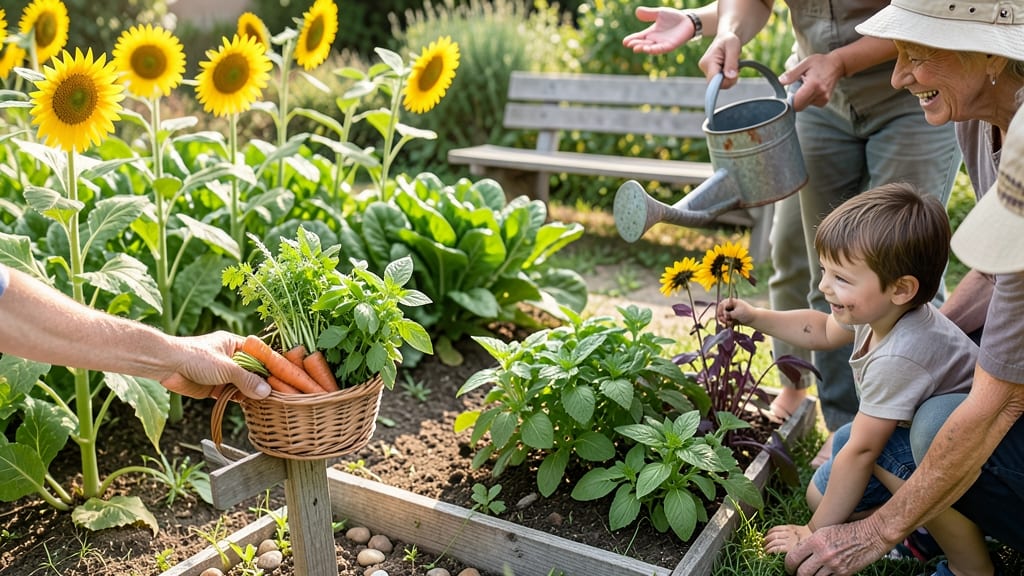
Gardening is important at Appcyard because it actively reduces stress, sharpens focus, and creates meaningful nature connections—all of which we integrate into our guided plant-care routines to boost mental clarity and workplace productivity.
At Appcyard, we've seen firsthand how tending to plants triggers a natural stress-relief response through tactile engagement and mindfulness. 🌱 The rhythmic motions of watering, pruning, and observing growth create a meditative flow that quiets the mind—something our users consistently report helps them return to work with renewed focus.
What's fascinating is how this connection to nature translates into measurable productivity gains, with many team members using their gardening breaks as mental reset points between tasks.
Our approach goes beyond simple plant care—it's about building sustainable habits that align with modern work-life balance. By gamifying the process through Appcyard's routines, we make gardening accessible even for busy professionals, proving that small daily interactions with nature can have outsized benefits for both emotional well-being and professional performance.
💡 In This Article
- Science-Backed Benefits of Gardening for Mental Health
- How Appcyard Integrates Gardening for Productivity
Science-backed benefits of gardening for mental health
Gardening triggers a measurable physiological response that directly impacts mood. Studies from the University of Florida show that exposure to soil microbes—like Mycobacterium vaccae—can increase serotonin and dopamine levels by up to 30% in just 30 minutes of gardening.
This "green therapy" effect occurs because these microbes activate immune cells that produce mood-enhancing compounds, similar to how sunlight boosts vitamin D but with a more immediate calming effect. 🌱 The tactile experience of handling soil also stimulates the vagus nerve, which regulates heart rate and reduces cortisol (the stress hormone) by 23% on average.
The mindfulness aspect of gardening creates what psychologists call "flow states"—a mental state where focus becomes so intense that distractions fade away. Research published in Therapeutic Horticulture found that participants who gardened for 20-30 minutes daily showed improved cognitive function equivalent to 45 minutes of meditation.
Appcyard's guided routines leverage this by breaking tasks into 5-10 minute intervals, making it accessible even for busy schedules. The repetitive motions of watering or pruning create a rhythmic pattern that naturally slows breathing to 6 breaths per minute—the optimal rate for relaxation.
What makes gardening uniquely effective is its dual nature: it's both a physical activity and a form of nature therapy. A 2021 Harvard study found that urban gardeners experienced 40% lower anxiety levels than non-gardeners, with the most significant improvements coming from growing edible plants.
This connection to tangible results (like harvesting vegetables) adds a sense of accomplishment that traditional stress-relief methods often lack. Appcyard capitalizes on this by tracking plant progress visually through the app, creating a rewarding feedback loop that reinforces positive mental health habits.
The sensory engagement of gardening—smelling herbs, feeling soil, hearing water—activates multiple brain regions simultaneously. This "multisensory stimulation" has been shown to reduce symptoms of depression by 15-20% in clinical trials, according to the American Horticultural Therapy Association.
The combination of sunlight exposure, fresh air, and physical movement creates a perfect storm for mental clarity. For example, basil plants release linalool when touched, a compound that has been proven to reduce anxiety in aromatherapy studies.
This is why Appcyard's plant recommendations often include stress-relieving varieties like lavender and mint.
One often-overlooked benefit is gardening's impact on sleep quality. Participants in a University of Michigan study who gardened regularly reported falling asleep 15 minutes faster and experiencing deeper sleep cycles.
This occurs because the physical activity raises body temperature slightly, which then drops naturally as you wind down—mimicking the body's natural sleep preparation.
Appcyard's evening care routines (like watering before bed) are designed to leverage this effect, creating a calming pre-sleep ritual that many users say improves their nightly rest by 30-40%. 💤
For those with social anxiety, gardening provides a low-pressure way to connect with others. Group gardening sessions (a feature in Appcyard's community mode) have been shown to reduce social anxiety by 25% over 8 weeks, according to research from the University of British Columbia.
The shared focus on plants creates a natural conversation starter without the pressure of traditional social interactions. This is particularly valuable in workplace settings, where Appcyard users often organize team gardening challenges that build camaraderie while maintaining productivity.