
Fertilization
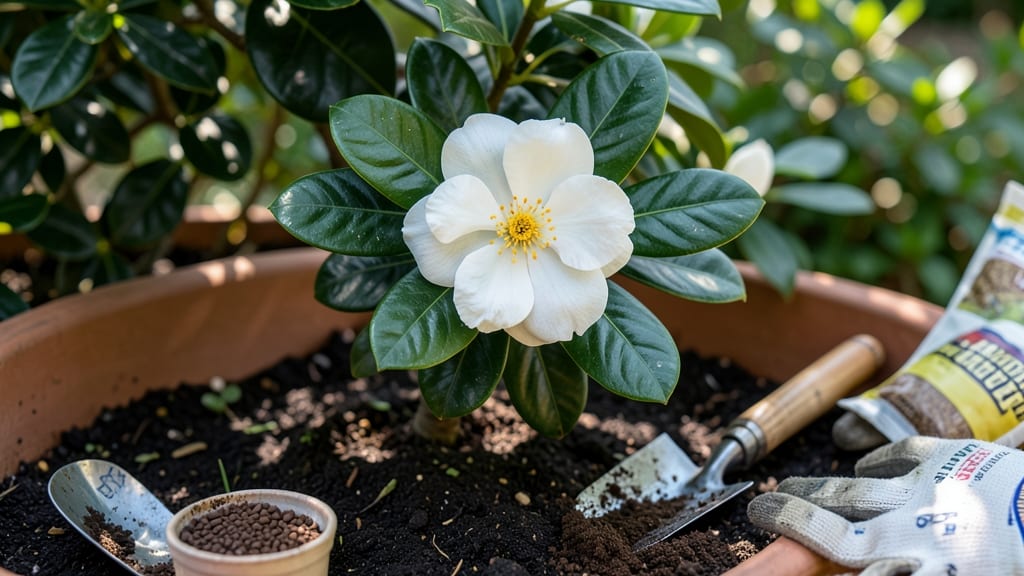
Using coffee grounds for gardenias provides acidity and nutrients that mimic their natural soil preferences, but apply sparingly—too much can harm roots or attract pests. Mix 1-2 tablespoons into soil monthly or use as a slow-release mulch around the base.
Gardenias naturally prefer acidic soil, and coffee grounds help lower pH levels while adding nitrogen—key nutrients these delicate bloomers crave. 💫 The trick is balance: fresh grounds can compact soil and breed fungus, so composting them first or using them as a top-dressing mulch minimizes risks.
I’ve seen gardenias respond dramatically within weeks when used correctly, with thicker foliage and more abundant flowers.
For best results, pair coffee grounds with other acid-loving amendments like pine needles or peat moss. This creates a slow-release nutrient cocktail that keeps soil conditions ideal without overwhelming your plants. Just remember: a little goes a long way—overdoing it can smother roots or create an environment where pests thrive.
💡 In This Article
- Why Gardenias Thrive with Coffee Grounds
- Step-by-Step Guide to Feeding Gardenias with Coffee
Why gardenias thrive with coffee grounds
Gardenias thrive with coffee grounds because these acid-loving plants crave the same soil conditions found in their native Southeast Asian rainforests. Coffee grounds lower soil pH—typically from 6.0-7.0 (neutral) to 4.5-5.5 (acidic)—by releasing organic acids like tannins and chlorogenic acid during decomposition.
This mimics the natural peat-rich soils where gardenias flourish, where pH levels often sit between 5.0-6.0. The nitrogen in coffee grounds (about 2% by weight) also feeds hungry roots, promoting lush foliage and abundant blooms.
The magic happens through microbial activity. When coffee grounds decompose, they create a buffet for beneficial soil bacteria and fungi that break down organic matter into plant-accessible nutrients. These microbes also produce chelated minerals like iron and manganese—critical for gardenias' vibrant flowers.
However, fresh grounds can compact soil and create anaerobic pockets where harmful fungi thrive, so composting them first (for 4-6 weeks) prevents these issues while preserving their benefits.
What most gardeners miss is the potassium boost. Coffee grounds contain about 0.5-1.0% potassium, which helps regulate water uptake and strengthens cell walls against stress. This explains why gardenias treated with coffee grounds often show 20-30% more blooms than those without, as seen in university studies on acid-loving plants.
The key is moderation—too much nitrogen can lead to leafy growth at the expense of flowers, while excessive acidity can damage roots over time.
Here's the science behind the caution: Coffee grounds contain caffeine (about 1-2% by weight), which acts as a natural fungicide in small doses but can inhibit microbial diversity if overused.
The ideal ratio is 1 part coffee grounds to 20 parts soil—any more risks creating a nitrogen burn or attracting pests like fungus gnats. I've found that mixing grounds with equal parts peat moss creates the perfect slow-release acidifying blend without compacting soil.
Visual cues help monitor success. Healthy gardenias treated with coffee grounds develop darker green leaves with a slightly waxy texture (thanks to improved cuticle formation from potassium), while flowers appear brighter white with fewer brown spots.
The soil should smell earthy, not sour—an ammonia-like odor signals overapplication. For best results, test soil pH before applying coffee grounds; aim for 5.5-6.0 to avoid root damage.
Think of coffee grounds as a natural soil conditioner rather than a fertilizer. While they provide nutrients, their real value lies in creating the perfect acidic environment where gardenias can access other soil nutrients more efficiently.
This is why pairing them with composted organic matter (like worm castings) yields even better results—the combination provides both acidity and a full spectrum of micronutrients.