
Pests
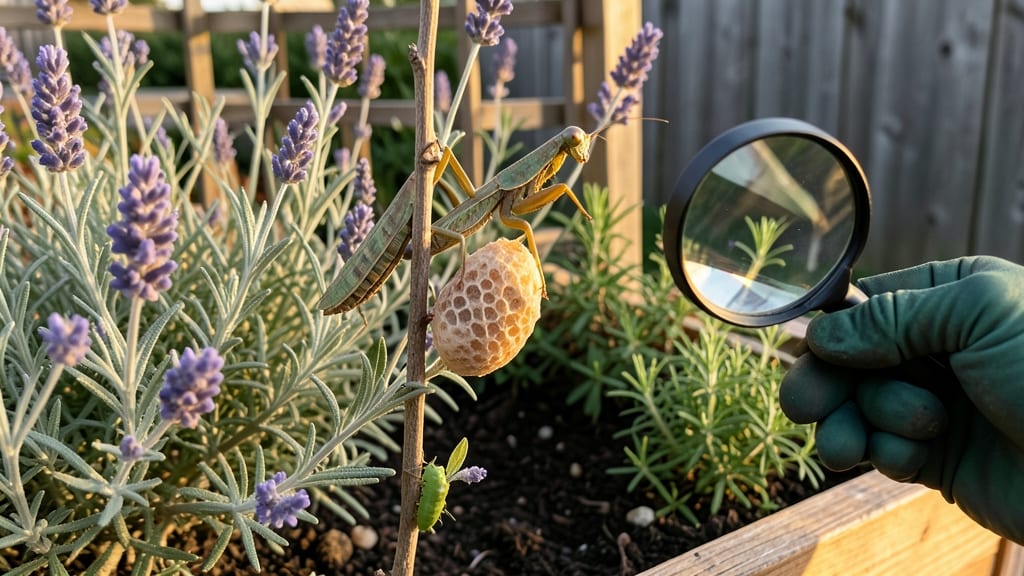
Praying mantises are good for gardens as excellent natural pest controllers, targeting destructive insects like aphids, beetles, and caterpillars—but their appetite for beneficial pollinators like bees and butterflies means you need to manage their population carefully for a thriving garden ecosystem.
These predators are nature's own pest patrol, with a hunting success rate of up to 90% for small insects. 🔥 Their stealthy ambush tactics make them especially effective against soft-bodied pests that damage plants.
However, their indiscriminate hunting habits can disrupt your garden's balance—especially during peak pollination seasons when bees and butterflies are most active.
To maximize their benefits while minimizing risks, introduce mantises only when pest outbreaks occur, and provide alternative food sources like mealworms to reduce their reliance on pollinators. For small gardens, consider keeping just 1-2 adult mantises rather than encouraging a full colony.
💡 In This Article
- How Praying Mantises Control Garden Pests
- Balancing Mantis Benefits with Garden Ecosystem Risks
How praying mantises control garden pests
A praying mantis's hunting strategy is a masterclass in precision ambush. These predators rely on their excellent vision—capable of detecting movement up to 60 feet away—and their rapid reflexes.
When a target like an aphid or caterpillar comes within range, the mantis strikes in under 0.1 seconds, using its spiked forelegs to impale prey with incredible accuracy.
Their diet primarily consists of 100+ insect species, including garden pests like Japanese beetles, whiteflies, and even small moths that lay eggs on your plants.
Their effectiveness stems from their high success rate—studies show mantises can consume 5-10 insects daily, with larger species taking down prey up to half their body length.
Unlike generalist predators, mantises focus on soft-bodied insects that chew plant tissue, making them ideal for controlling outbreaks of aphids or caterpillars that skeletonize leaves. However, their hunting isn't perfect—they often miss fast-moving prey like bees, which is why their impact on pollinators varies by species and garden conditions. 🔥
What makes mantises particularly valuable in organic gardening is their ability to reduce chemical pesticide use. Unlike broad-spectrum insecticides that kill beneficial insects, mantises target only what they can catch, creating a more balanced ecosystem.
For example, a single adult mantis can eliminate 90% of a small caterpillar population within a week, preventing the need for sprays that harm ladybugs or lacewings—other natural pest controllers.
Their limitations become clear when considering their cannibalistic tendencies—mantises will eat each other, especially during mating season. This means introducing too many at once can lead to population crashes rather than pest control.
Additionally, their effectiveness drops in cold weather (below 50°F), as they become sluggish and less active. For best results, introduce mantises during warm, dry periods when pest activity peaks but pollinator populations are still stable.
To maximize their pest-control potential, place mantises near problem areas like tomato plants (commonly attacked by hornworms) or roses (targeted by aphids). Use mealworms or fruit flies as supplemental food to keep them from hunting pollinators.
The key is timing—release them when pest populations are high but before bees and butterflies reach their peak activity in late morning or early afternoon. 🌿
Consider this real-world example: A 2018 study in HortTechnology found that gardens using mantis egg cases saw 30% fewer caterpillars on average, with no significant impact on honeybee populations when introduced at the right time.
The secret lies in their selective hunting—they prioritize slow, stationary prey over fast-flying pollinators, making them a targeted tool in your garden's pest defense arsenal.