
Planting
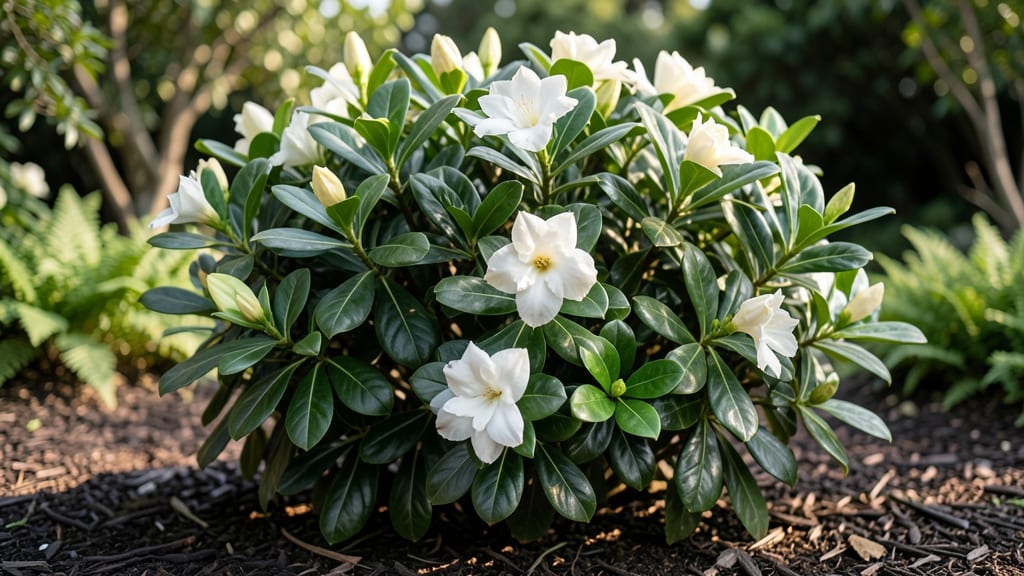
Determining the right USDA zone for a gardenia bush is crucial, as these plants flourish best in Zones 7 through 10. Their tropical nature makes them highly sensitive to frost, so understanding your local climate is key to achieving healthy growth and vibrant blooms.
Gardenia bushes are tropical plants that thrive in warm climates, which is why USDA Zones 7-10 provide their ideal growing conditions. 🌿 These zones typically experience mild winters and high humidity, mimicking their native subtropical environments.
The biggest challenge for gardeners in cooler regions is protecting these plants from frost, which can cause irreversible damage to their delicate leaves and buds.
If you live outside these zones, don't worry—there are still ways to grow gardenias! Many gardeners in Zones 6 and below successfully cultivate them in containers, where they can be moved indoors during winter months.
Another key factor is selecting the right variety: some gardenia cultivars are more cold-tolerant than others, making them better suited for marginal climates.
💡 In This Article
- Understanding Gardenia Bush Climate Requirements
- Gardening Tips for Planting Gardenia Bushes in Different Zones
Understanding gardenia bush climate requirements
Gardenia bushes originate from tropical and subtropical regions of Asia and Africa, where temperatures rarely drop below 50°F and humidity stays consistently high. These plants are evergreen shrubs that thrive in environments with warm winters and hot summers—conditions that align closely with USDA Zones 7 through 10.
The key reason they struggle in colder zones is their extreme sensitivity to frost, which can cause cellular damage within minutes of exposure to temperatures below 32°F. 🌡️
Their leaves and buds contain delicate membranes that rupture when frozen, leading to brown, mushy spots that never recover. Even brief cold snaps below 40°F can stunt growth or trigger premature bud drop.
Gardenias also require high humidity (60-70%) to prevent leaf scorch—a common issue in drier climates like Zones 8 and 9 without proper irrigation. Their native soil is acidic (pH 5.0-6.5), mimicking the peat-rich environments of their tropical habitats.
USDA zones were developed based on average annual minimum temperatures, but gardenias need more than just warmth—they require consistent environmental stability. For example, Zone 7's average winter lows of 0-10°F are too harsh for most gardenias, while Zone 10's year-round warmth (above 30°F) creates ideal conditions.
The humidity factor is equally critical: gardenias in Zone 9 may need supplemental misting during dry spells to replicate their natural environment.
What most gardeners overlook is how microclimates within a zone can create exceptions. A gardenia planted near a south-facing wall or under the canopy of taller trees might experience 5-10°F warmer temperatures than the official zone average, potentially allowing it to survive in Zone 6 with proper winter protection.
This is why many successful gardeners in marginal zones use containers—allowing them to move plants to sheltered locations during cold snaps.
Another critical factor is soil acidity. Gardenias have evolved to thrive in acidic soils, which helps them absorb essential nutrients like iron and manganese. In alkaline soils (common in Zones 8-10), their growth slows dramatically, and leaves develop yellowing between veins—a condition called chlorosis.
This is why gardeners in these zones must amend their soil with sulfur or peat moss to maintain the ideal 5.0-6.5 pH range. 🌱
Understanding these climate requirements helps explain why gardenias in their native habitat can grow into large, fragrant shrubs (up to 10 feet tall), while those in cooler zones often remain stunted or fail to bloom.
The combination of temperature tolerance, humidity needs, and soil chemistry creates a precise growing window that's challenging to replicate outside Zones 7-10 without careful intervention.