
Tools
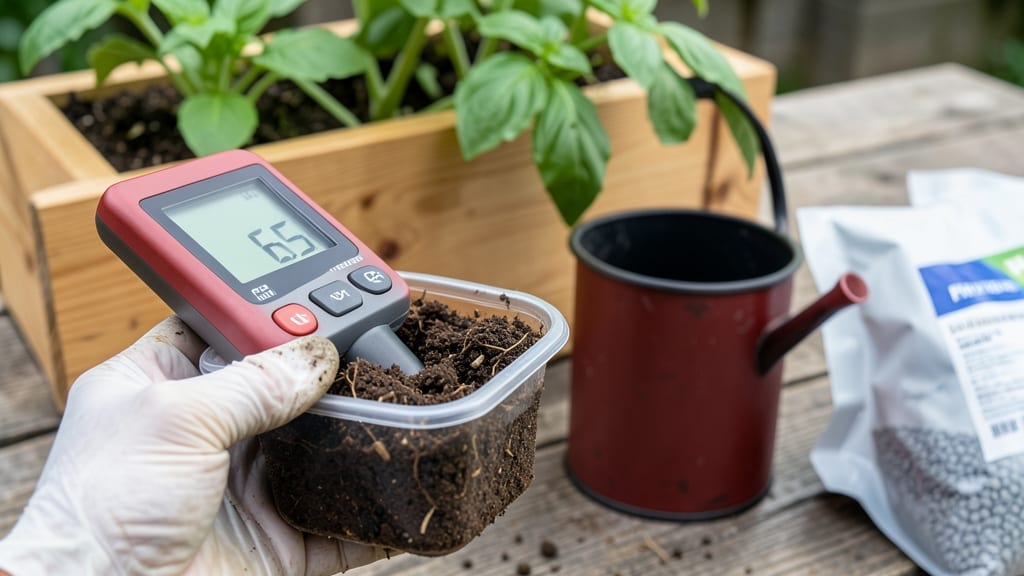
A garden pH meter measures soil acidity or alkalinity by calibrating with buffer solutions at pH 4.0 and 7.0, inserting the probe into moist soil, and waiting 30-60 seconds for a stable reading. This helps adjust soil chemistry for healthier plant growth.
A garden pH meter is your secret weapon for growing thriving plants. 🌱 The device works by comparing your soil's pH to known standards, ensuring nutrients like nitrogen and phosphorus are available to roots.
For example, blueberries need acidic soil (pH 4.5-5.2), while tomatoes thrive in slightly acidic to neutral conditions (pH 6.0-7.0). Regular testing helps you avoid over- or under-fertilizing, saving time and money while maximizing yield.
Before each use, calibrate your meter with the provided buffer solutions—this step ensures accurate readings. After testing, always rinse the probe with distilled water and store it properly to prevent drift errors.
I recommend testing multiple spots in your garden since soil pH can vary by just a few feet. For best results, take readings in moist (not wet) soil during spring or fall when soil conditions are stable.
💡 In This Article
- How Soil pH Affects Plant Nutrition and Growth
- Step-by-Step Guide to Calibrating and Maintaining Your pH Meter
How soil pH affects plant nutrition and growth
Soil pH determines how plants access essential nutrients by influencing chemical reactions in the root zone. At pH 7.0 (neutral), most nutrients like nitrogen, phosphorus, and potassium are readily available.
However, when soil becomes too acidic (pH 5.0 or lower), aluminum and manganese become toxic to roots, while calcium and phosphorus bind tightly to soil particles, making them inaccessible. On the alkaline side (pH 8.0+), iron and zinc become locked up, causing deficiency symptoms like yellowing leaves.
The ideal pH range depends on what you're growing. Blueberries, for instance, require pH 4.5-5.2 to access the iron and manganese they need for vibrant fruit production. In contrast, roses and most vegetables prefer pH 6.0-7.0, where nutrient availability is balanced.
Even a 1.0 pH difference can reduce nutrient uptake by 50% or more. For example, tomatoes grown in pH 5.5 soil may show stunted growth due to phosphorus deficiency, while the same plants in pH 6.5 soil thrive with proper fertilization.
Microbes in the soil also respond to pH changes. Beneficial bacteria and fungi that help break down organic matter thrive in slightly acidic to neutral conditions (pH 6.0-7.5). These microbes create a symbiotic relationship with plant roots, enhancing nutrient absorption.
When pH strays too far from this range, microbial activity slows, reducing soil fertility. This is why a garden pH meter becomes invaluable—it helps you fine-tune soil chemistry to create an optimal environment for both plants and soil life.
Visual clues can help you spot pH-related issues. Yellowing leaves with green veins often signal iron deficiency (common in alkaline soils), while brown leaf edges may indicate magnesium or calcium deficiency in acidic conditions. Regular testing with a pH meter lets you adjust soil chemistry before these symptoms appear.
For instance, adding elemental sulfur lowers pH gradually, while dolomitic lime raises it. The key is making small adjustments—changing pH by 0.5 units per season prevents shocking plant roots.
Consider this comparison: A pH 5.0 soil might show stunted blueberry bushes due to aluminum toxicity, while the same soil adjusted to pH 5.5 could produce abundant fruit. The difference isn't just about adding amendments—it's about creating the right chemical balance for roots to absorb what they need.
This is why precision matters: A pH meter gives you the exact data to make informed decisions, rather than guessing based on plant symptoms.
Remember that soil pH isn't static—it fluctuates with organic matter decomposition, rainfall, and fertilizer use. Testing every 3-6 months during growing seasons helps you stay proactive. For example, heavy rainfall can wash away calcium, raising pH over time, while compost adds organic acids that lower it.
Your pH meter becomes a tool for maintaining equilibrium, ensuring your garden stays productive year-round.