
Blooming
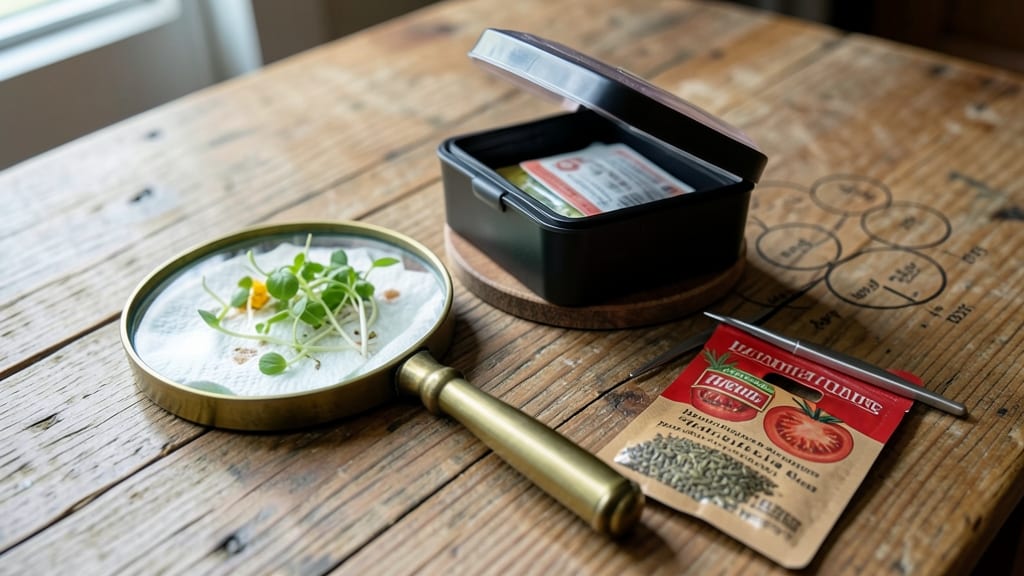
Garden seeds typically remain viable for 1 to 5 years, depending on the type—vegetables like onions and leeks last 1–2 years, while beans and peas can stay good for 3–5 years. Proper storage in a cool, dry place extends shelf life significantly.
Seed viability depends heavily on the plant species and how you store them. 🌱 For example, delicate seeds like lettuce or parsley often lose viability within just 1–2 years, while hardy varieties such as beans or corn can remain usable for up to 5 years or longer.
The key factor is moisture—even slight dampness accelerates deterioration by promoting mold or fungal growth. I recommend testing old seeds by placing a few in a damp paper towel for germination; if fewer than 50% sprout, it's time to replenish your supply.
Temperature also plays a crucial role—seeds stored above 40°F degrade faster due to increased metabolic activity, while freezing temperatures can damage some tropical varieties. Using airtight, opaque containers (like glass jars) blocks light exposure, which can break down seed oils and reduce viability.
For maximum results, store seeds in a refrigerator or root cellar with humidity levels below 50%.
💡 In This Article
- Seed Viability Factors: Why Some Last Longer Than Others
- Optimal Seed Storage Conditions to Maximize Longevity
Seed viability factors: why some last longer than others
Seed longevity hinges on their biological makeup, particularly the moisture content and seed coat thickness. Seeds like beans and peas have hard, protective coats that shield their embryos from dehydration and oxygen exposure, allowing them to stay viable for 3-5 years.
In contrast, delicate seeds like lettuce or cilantro have thin coats and high moisture content, causing them to degrade within 1-2 years—their embryos dry out faster, reducing germination rates by up to 80% over time. 🌱
The science behind this involves metabolic activity—seeds with thicker coats enter a deeper dormancy state, slowing down cellular processes that lead to deterioration. For example, tomato seeds contain 10-15% moisture at harvest but must be dried to 5-8% for long-term storage.
If stored improperly, their viability drops by 50% within just 6 months. Tropical seeds, like those from peppers or okra, are especially vulnerable to chilling injury—exposure to temperatures below 40°F can kill their embryos entirely.
Another critical factor is the seed's germination rate decline, which follows a predictable curve. Most seeds lose 50% viability after 2-3 years if stored poorly, but this can stretch to 5-7 years under ideal conditions.
For instance, heirloom corn seeds stored in a cool, dry environment may retain 70% germination after 5 years, while commercial hybrid varieties often drop below 50% viability after just 2 years due to their thinner seed coats.
Light exposure accelerates degradation by triggering oxidative stress, which breaks down essential oils and proteins in the seed. Even indirect sunlight can reduce viability by 30% over 1 year. This is why opaque containers are crucial—they block UV rays that would otherwise degrade the seed's genetic material.
For example, storing marigold seeds in clear plastic bags reduces their shelf life by 25% compared to glass jars with black liners. 💫
Finally, the species' evolutionary history plays a role—wild plants often produce seeds designed to survive harsh conditions, while modern hybrids prioritize traits like disease resistance over longevity.
For example, ancient wheat varieties can remain viable for decades in arid climates, while modern wheat seeds may only last 3-4 years due to selective breeding for faster germination rather than storage resilience.
To test your seeds' viability, perform a simple germination test: soak 10 seeds in a damp paper towel for 5-7 days at 70°F. Count the sprouted seeds—if fewer than 50% germinate, it's time to replace them.
This method works for most vegetables, though some (like onions) require a stratification period of cold treatment to break dormancy. 🌱