
Tools
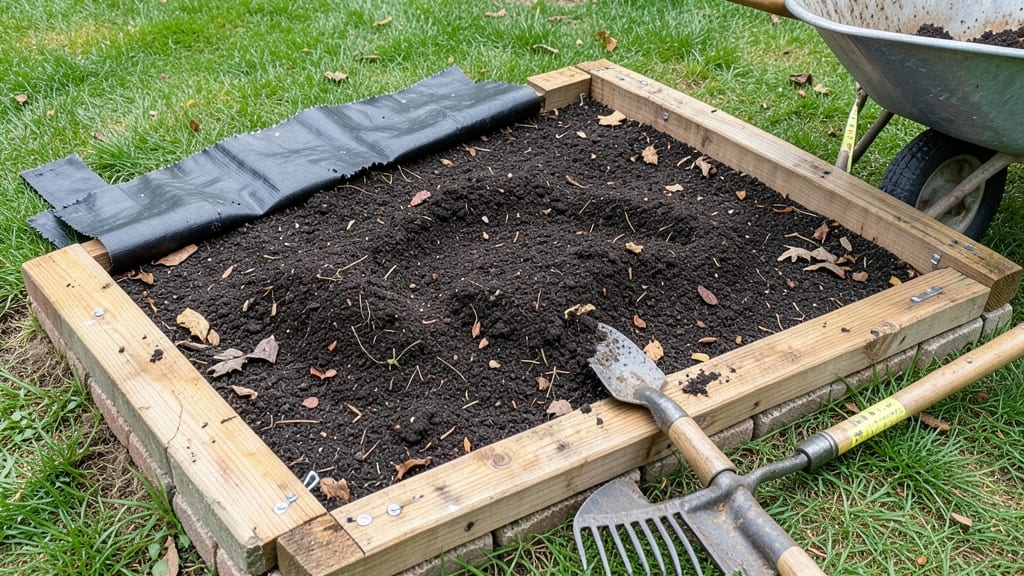
To make a garden bed, mark the area with stakes and string, remove grass or weeds, loosen soil to 12 inches deep, mix in compost or aged manure, and level the surface before planting. Choose a sunny location with good drainage for best results.
Creating a garden bed starts with selecting a spot that gets at least 6-8 hours of sunlight daily, as most vegetables and flowers thrive in full sun. 🔥 The soil should drain well—water pooling means roots will rot—so avoid low-lying areas.
I always test my soil's pH (aim for 6.0-7.0) and add compost to improve fertility, especially if the ground feels hard or clay-heavy.
For raised beds, use untreated wood or bricks to define edges, while in-ground beds benefit from a border of rocks or metal to contain soil and prevent erosion.
Once you've prepped the area, dig down 12 inches to break up compacted soil and mix in 2-3 inches of compost or aged manure. This boosts nutrients and helps roots spread easily. Leveling the bed afterward ensures even water distribution, which prevents dry spots where plants might struggle.
Pro tip: Add a 1-inch layer of mulch after planting to retain moisture and suppress weeds—this step saves time and keeps your garden healthier long-term.
💡 In This Article
- Choosing the Right Location and Soil for Garden Beds
- Essential Tools and Materials for Building Garden Beds
Choosing the right location and soil for garden beds
Sunlight is the single most critical factor for a productive garden bed. Most vegetables and herbs need 6-8 hours of direct sunlight daily—think leafy greens like kale (which tolerates partial shade) versus sun-loving tomatoes that wilt in less than 6 hours. The rule of thumb?
Observe your yard: if a spot gets morning sun but shade by afternoon, it’s better suited for shade-tolerant plants like lettuce or parsley. 🌞 What most people overlook is how sunlight intensity varies by season—what seems like full sun in summer might be partial shade in winter, so plan accordingly.
Drainage is equally vital—waterlogged soil suffocates roots by cutting off oxygen. To test drainage, dig a 1-foot hole and fill it with water. If it drains within 4-6 hours, your soil is good; if it pools for days, you’ll need to amend it with sand or organic matter.
Clay soil, which holds water tightly, benefits from a 20-30% compost mix to improve porosity. Sandy soil, on the other hand, drains too quickly and needs organic matter to retain moisture and nutrients.
A simple soil test kit (available for $10-$20) reveals pH levels—most plants prefer 6.0-7.0, but blueberries thrive in acidic soil (4.5-5.5).
Soil quality isn’t just about fertility—it’s about structure. Healthy soil has a crumbly texture, like a damp sponge, allowing roots to penetrate easily.
Compacted soil, often found in urban areas, can be broken up with a garden fork or by adding 3-4 inches of compost mixed into the top 12 inches. This loosens the soil while adding microbial life that decomposes organic matter into plant-available nutrients.
For raised beds, you can control soil composition entirely—mix 60% topsoil, 30% compost, and 10% perlite for ideal drainage and aeration.
Location also depends on your plants’ growth habits. Tall crops like corn or sunflowers should face south (in the Northern Hemisphere) to avoid shading shorter plants. Perennials, which return yearly, need permanent beds with deep soil (dig 18 inches for roots like asparagus).
Annuals, like tomatoes or zucchini, can thrive in shallower beds (12 inches) but need frequent feeding. 🌱 Pro tip: Avoid placing beds near large trees—competition for water and nutrients will stunt your plants.
Seasonal microclimates matter too. A south-facing wall can create a 10°F warmer zone in winter, perfect for frost-sensitive plants like basil. Conversely, a north-facing bed stays cooler, ideal for leafy greens in hot climates.
Pay attention to wind patterns: exposed beds dry out faster and need windbreaks (like a fence or hedge) to protect young seedlings. Even a 5-mph breeze can dehydrate soil, so mulch heavily in windy areas to lock in moisture.
Finally, consider accessibility. Place your garden bed where you’ll actually tend to it—near a water source, within easy reach of your kitchen, and free of obstacles like driveways or walkways. A well-located bed reduces the temptation to skip maintenance, which is half the battle in gardening success. 💪