
Lawn
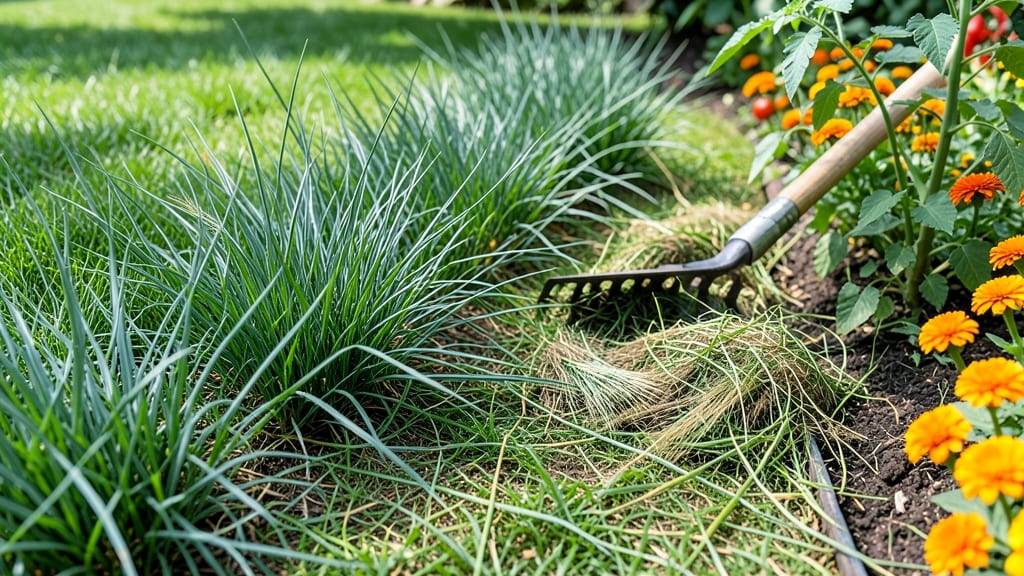
Incorporating grass clippings into your garden boosts soil fertility by adding nitrogen and organic matter, but improper use can create thatch layers or suffocate plants. Maintain a 3-4 inch mow height, spread thinly, or compost them instead of piling near plant stems.
Grass clippings are essentially free fertilizer packed with nutrients your plants crave. 🌱 When left on the lawn, they break down quickly, releasing nitrogen that feeds roots and encourages microbial activity.
The key is balance—too much creates a thick mat that blocks sunlight and air, while proper distribution mimics natural mulch. I’ve seen gardens thrive when clippings are spread evenly after mowing, especially for vegetable patches or flower beds.
For best results, use a mulching mower or compost them if your grass is wet or treated with herbicides.
This method isn’t just about recycling—it’s about creating a self-sustaining ecosystem. The organic matter improves soil structure, helping it retain moisture longer during dry spells. Just avoid piling clippings near plant bases, as this can trap moisture and invite fungal growth.
Think of it like a slow-release fertilizer that works with nature, not against it.
💡 In This Article
- How Grass Clippings Improve Soil Fertility
- Best Ways to Use Grass Clippings Without Harming Your Garden
How grass clippings improve soil fertility
Grass clippings are a powerhouse of nutrients, primarily nitrogen, thanks to their high protein content—typically around 15-25% of their dry weight. When you leave them on your lawn or garden, they decompose rapidly, releasing this nitrogen in a form that plants can absorb almost immediately.
This process mimics natural leaf litter breakdown, creating a nutrient-rich layer that feeds soil microbes and earthworms. The clippings also introduce organic matter, which improves soil structure by increasing its ability to hold water and air, much like adding compost but with a faster nutrient payoff.
The magic happens through microbial activity. As clippings decompose, they feed beneficial bacteria and fungi in the soil, which in turn break down the organic material into simpler compounds. This creates a cascading effect: healthier microbes mean better nutrient cycling, and more nutrients mean stronger plant roots.
For example, a 1-inch layer of clippings can add about 0.5 pounds of nitrogen per 100 square feet—enough to give many plants a significant growth boost without overloading the soil.
The key difference from compost is speed: clippings decompose in days to weeks, while compost takes months to break down fully.
Moisture retention is another game-changer. Organic matter from clippings acts like a sponge, helping soil hold onto water during dry spells. I’ve noticed this firsthand in my vegetable garden—rows covered with a thin layer of clippings stayed moist for nearly 3 days longer than bare soil during a heatwave.
This is especially valuable for shallow-rooted plants like lettuce or strawberries, which dry out quickly. The clippings also create a protective layer that reduces evaporation, similar to how mulch works but with the added benefit of nutrient release.
However, not all clippings are created equal. Wet or diseased grass can introduce pathogens or fungi into your garden, while clippings treated with herbicides may harm plants. Always use clippings from untreated lawns, and avoid piling them near plant stems where they can create anaerobic pockets that suffocate roots.
The ideal application is a thin, even layer (¼ inch or less) spread over garden beds or left on lawns after mowing.
For maximum benefit, pair clippings with other organic materials. Mixing them with straw or leaves in a compost pile creates a balanced decomposition process, preventing odors and ensuring complete nutrient breakdown.
In my experience, a 50/50 mix of clippings and brown materials (like dried leaves) decomposes in about 4-6 weeks, compared to months for clippings alone. This balance also prevents thatch buildup, a common issue when clippings are left in thick layers.
Think of grass clippings as nature’s way of recycling nutrients back into the soil ecosystem. When used correctly, they reduce the need for synthetic fertilizers while improving soil health long-term. The secret lies in the details: proper mowing height, even distribution, and avoiding excess moisture.
Done right, your garden will reward you with lush growth and fewer weeds—all while saving you money on fertilizers. 🌱