
Tools
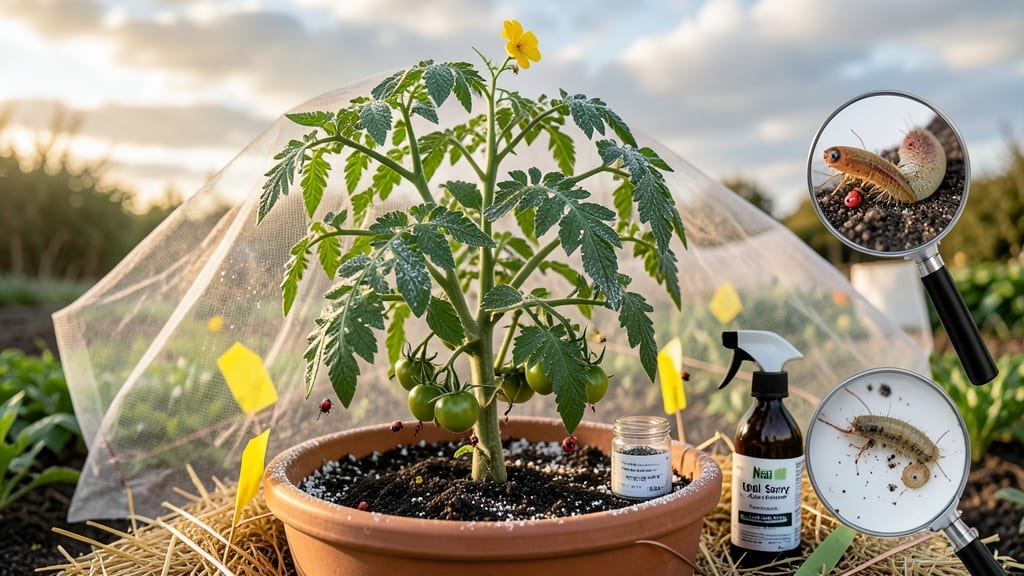
To prevent garden pests, start with healthy soil, strategic companion planting, and physical barriers like row covers or copper tape. Natural deterrents such as neem oil, diatomaceous earth, and beneficial insects effectively repel common invaders without harsh chemicals.
Healthy soil acts as your first line of defense by supporting strong plant growth, which naturally deters pests. 🌱 Companion planting works by confusing insects with mixed scents—like marigolds repelling nematodes or basil keeping flies away.
Physical barriers create a shield against larger pests, while organic treatments target specific invaders without harming your garden's ecosystem.
For example, neem oil disrupts insect life cycles, while diatomaceous earth dehydrates soft-bodied pests like slugs. Beneficial insects such as ladybugs and lacewings provide biological control by preying on harmful pests. The key is combining these methods for a layered approach that keeps your garden thriving year-round.
💡 In This Article
- Natural Pest Prevention Methods Explained
- Best Organic Barriers for Different Garden Pests
Natural pest prevention methods explained
Companion planting works by creating a complex sensory environment that confuses pests. For instance, marigolds release a compound called α-terthienyl, which repels nematodes by disrupting their feeding behavior. When planted near tomatoes, this chemical creates a 30-50% reduction in root-knot nematode populations.
The scent of basil, rich in eugenol, masks the aroma of tomatoes, making it harder for hornworms to locate their host plants. This method leverages the natural chemistry of plants to break pest life cycles without synthetic interventions.
Neem oil's effectiveness comes from its active compound, azadirachtin, which mimics insect hormones. This disrupts molting and reproduction cycles in pests like aphids and whiteflies. When applied at a 1-2% concentration, neem oil can reduce aphid populations by up to 90% within 7-10 days.
The oil also creates a protective film on plant surfaces that deters egg-laying. Unlike chemical pesticides, neem oil degrades quickly in sunlight, making it safer for beneficial insects while still providing 3-4 weeks of residual protection.
Diatomaceous earth functions as a physical barrier that dehydrates soft-bodied pests. Its microscopic, glass-like particles have sharp edges that puncture insect exoskeletons, causing them to lose moisture rapidly. For slugs and snails, applying a 1-inch band around garden beds creates an impenetrable barrier.
The key is using food-grade diatomaceous earth, as industrial versions contain harmful additives. Reapply after rain or watering, as its effectiveness diminishes when wet. This method is particularly useful for organic gardens since it's non-toxic to plants and mammals.
Beneficial insects provide biological control by targeting specific pests. Ladybugs, for example, consume 5,000 aphids in their lifetime, while lacewings feed on caterpillars and mites. Introducing these predators creates a balanced ecosystem where pest populations remain naturally low.
The timing matters—release ladybugs in early morning when temperatures are below 85°F to prevent heat stress. For best results, combine this with habitat support like dill or fennel plants, which attract and retain beneficial insects with their nectar and pollen.
Physical barriers like row covers create a protective microclimate that blocks pests while allowing sunlight and water to penetrate. Made from lightweight polypropylene fabric, these covers reduce temperatures by 5-10°F, which deters heat-loving pests like cabbage moths.
For larger pests like deer, install 8-foot tall fencing with an inward angle at the top to prevent climbing. The key is securing the barrier tightly—even a 1-inch gap can allow pests like rabbits to squeeze through.
These methods work best when combined with other strategies, creating a multi-layered defense system.
Seasonal timing plays a crucial role in pest prevention. Early spring applications of garlic spray (made from 1 part garlic juice to 10 parts water) deter aphids before they establish colonies.
In late summer, apply beer traps for slugs by filling shallow dishes with beer—the alcohol attracts them, and they drown. The science behind this is simple: pests follow predictable life cycles, so targeting interventions during their active phases maximizes effectiveness.
For example, applying diatomaceous earth in early summer targets newly hatched beetles before they mature into adults.