
Light Requirements
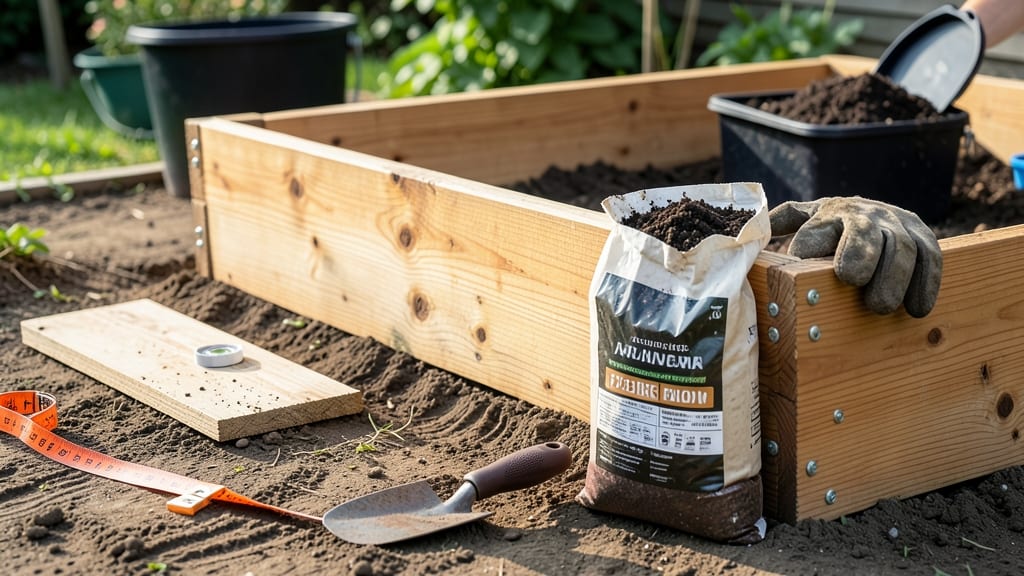
Filling a raised garden bed with the right amount of soil ensures your plants have the perfect root zone for thriving growth 🌱 — and it’s easier than you think once you know the layer-by-layer formula.
Picture this: you’ve spent hours building your dream raised bed, only to realize halfway through filling it that you’ve either wasted a fortune on extra soil or left your plants struggling with shallow roots. That’s the moment you wish you’d planned ahead.
Here’s the game-changer: most raised beds need 10-12 inches of soil for deep-rooted veggies, but shallow plants like lettuce thrive in just 6 inches. The trick is balancing depth, drainage, and nutrient-rich layers—without overfilling or settling issues.
In this guide, I’ll walk you through calculating soil volume, layering for optimal fertility, and avoiding common mistakes that leave your bed compacted or nutrient-poor. Ready to get it right the first time?
Optimal raised garden bed soil depth by plant type: root zone requirements explained
Getting the soil depth right in your raised garden bed is like giving your plants the perfect foundation—they need room to stretch their roots, access nutrients, and thrive without competition.
A 6-inch bed works for shallow-rooted plants like lettuce, but deep-rooted crops like tomatoes or asparagus demand 12+ inches of soil to reach their full potential. Let’s break down the science behind soil depth and how to tailor it to your garden’s needs.
Why does depth matter? Beyond just providing space, deeper soil improves drainage (preventing root rot), retains heat (helping early spring plants), and allows roots to expand for stability.
For example, a carrot needs at least 12 inches of loose soil to grow straight and plump, while a strawberry thrives in just 6 inches but benefits from extra mulch to protect its shallow roots. Let’s dive into the specifics.
Standard raised beds (6–8 inches deep) are ideal for most leafy greens, herbs, and shallow-rooted flowers. However, if you’re growing heavy feeders like tomatoes, peppers, or fruit bushes, aim for 12–18 inches of soil to support their vigorous growth. The key is matching the plant’s root zone requirements to your bed’s depth—no guesswork needed!
| Plant Type | Minimum Soil Depth | Ideal Depth | Notes |
|---|---|---|---|
| Leafy Greens (Lettuce, Spinach, Kale) | 6 inches | 6–8 inches | Fast-growing; shallow roots. |
| Root Vegetables (Carrots, Radishes, Beets) | 12 inches | 12–18 inches | Needs loose, stone-free soil. |
| Tomatoes, Peppers, Eggplants | 12 inches | 12–18 inches | Heavy feeders; deep roots. |
| Herbs (Basil, Parsley, Cilantro) | 6 inches | 6–10 inches | Moderate root depth; well-draining. |
| Strawberries, Shallow Flowers | 6 inches | 6–8 inches | Mulch protects shallow roots. |
| Asparagus, Rhubarb, Fruit Bushes | 18 inches | 18–24 inches | Perennial roots need deep soil. |
For shallow-rooted plants like lettuce or radishes, a 6-inch bed is perfect, but don’t skimp on the soil quality. Mix in compost and organic matter to ensure nutrients reach the roots quickly.
If you’re growing tomatoes or carrots, invest in a deeper bed—these plants reward you with bigger harvests when their roots have space to explore.
One common mistake is assuming all plants need the same depth. For example, bush beans thrive in 8 inches, while squash needs 12+ inches to support its sprawling vines.
Always check the plant’s root zone requirements before planning your bed layout. Pro tip: Use straw mulch on top to retain moisture and protect shallow roots from extreme temperatures.
If you’re working with a pre-built raised bed, measure its height before filling it. A 12-inch deep bed is ideal for most vegetables, but if your bed is only 6 inches, prioritize plants like herbs, greens, or flowers.
For deeper beds, consider adding a drainage layer (like coarse sand or gravel) at the bottom to prevent waterlogging, especially in clay-heavy soils.
Another factor to consider is heat retention. Darker soil absorbs more heat, which is great for cool-season crops like broccoli in early spring. Lighter soil stays cooler, benefiting heat-sensitive plants like basil.
Adjust your soil mix by adding peat moss or sand to fine-tune temperature and drainage based on your climate and plant needs.
For container gardening or small raised beds, focus on compact soil mixes that maximize nutrients in limited space. Add worm castings or fish emulsion to boost fertility without taking up extra depth.
Remember, even in shallow beds, root health depends on aeration and moisture balance—so avoid over-tilling and compacting the soil.
Finally, if you’re unsure about your bed’s depth, start with a 6-inch base of topsoil mixed with compost, then add layers as needed. For example, plant shallow-rooted herbs in one section and deep-rooted tomatoes in another.
This way, you can experiment and adjust without overhauling your entire bed. Happy planting
Layering soil in raised beds: the perfect mix of organic matter, fertility, and drainage
Creating the perfect soil mix in your raised bed isn’t just about dumping in dirt—it’s about crafting a balanced ecosystem where roots can thrive. The right layering technique ensures proper drainage, nutrient availability, and aeration, while avoiding common pitfalls like compaction or nutrient imbalance.
Whether you’re growing tomatoes, strawberries, or herbs, the foundation starts with your soil layers.
Most gardeners make the mistake of using cheap fill dirt or overpacking layers, which leads to poor root growth and waterlogging. Instead, we’ll focus on a science-backed approach using carbon-rich materials, compost, and topsoil in precise ratios.
This method works for standard 6-inch beds and deep 12-inch+ beds alike, ensuring your plants have room to flourish without wasting resources.
🌱 Numbered Soil Layering Guide for Raised Beds
- 📏 Bottom Layer (2-3 inches): Carbon-rich materials (cardboard, straw, or wood chips) to block weeds and improve drainage.
- 🌿 Middle Layer (4-6 inches): 50% compost + 50% topsoil for nutrient balance and microbial activity.
- 🪴 Top Layer (2-3 inches): Light mulch (straw, wood chips) to retain moisture and suppress weeds.
💡 Pro Tip: For clay-heavy soils, add 10% perlite to the middle layer. For sandy soils, mix in 10% coconut coir.
Start with a carbon-rich base layer (like cardboard or straw) to block weeds and improve drainage. This layer should be 2-3 inches thick and placed directly on the ground or landscape fabric. Avoid using plastic, as it can trap moisture and suffocate roots.
Next, add a 4-6 inch middle layer of a 50/50 mix of compost and topsoil—this ensures your plants get both immediate nutrients and long-term fertility.
Top off with 2-3 inches of mulch (straw, wood chips, or shredded leaves) to lock in moisture and keep weeds at bay. This top layer also protects your soil from erosion and temperature fluctuations, especially in hot climates.
If your soil is clay-heavy, mix in perlite or coarse sand (about 10% by volume) to improve aeration. For sandy soils, add coconut coir or peat moss to retain moisture and nutrients.
Avoid the temptation to overfill your bed with cheap fill dirt—this often lacks organic matter and compacts over time, stunting root growth. Instead, focus on quality over quantity: a well-layered 6-inch bed can support most vegetables, while deep-rooted plants (like asparagus or tomatoes) benefit from 12-inch+ depth.
Always leave 1-2 inches of headroom at the top to accommodate settling and mulch.
After layering, water thoroughly to help the soil settle and encourage microbial activity. Monitor your bed over the first few weeks—if the soil compacts, add a light top-dressing of compost to restore structure.
With the right layers, your raised bed will become a nutrient-dense powerhouse where plants thrive year after year.