
Planting
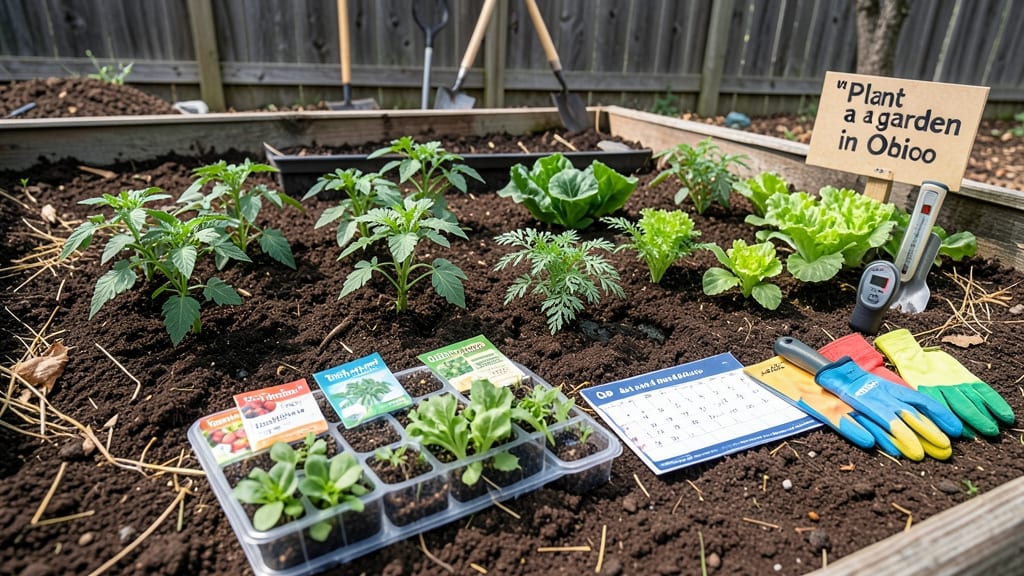
Planting a garden in Ohio at the right time means the difference between a bountiful harvest and a sad pile of frost-nipped seedlings.
Ohio’s unpredictable frost dates can turn a dreamy spring garden into a frozen disappointment—unless you know the exact timing for planting. Get your seeds in the ground at the right moment, and you’ll harvest vibrant veggies and flowers all season long.
With USDA zones 6a/6b, Ohio gardeners have a short window—typically mid-April to mid-May—to plant cool-season crops like peas and spinach, while warm-season favorites like tomatoes and peppers need to wait until after the last frost, usually around mid-May.
Below, I’ll break down Ohio’s frost-free timeline, share soil prep tips, and help you adjust for microclimates—so you can avoid common mistakes and grow a thriving garden all season.
Ohio’s frost dates by region: when to plant cool vs warm season crops
Ohio’s frost dates vary dramatically from north to south, making it critical to know your region’s last frost and first frost timelines.
In USDA Zones 5b-6b, northern Ohio (like Toledo) often sees its last frost around May 10-15, while southern Ohio (like Cincinnati) warms up by April 20-25. These dates dictate whether you’re planting cool-season crops like lettuce or warm-season crops like tomatoes.
Understanding these regional differences helps you avoid frost damage to tender seedlings. For example, a tomato plant planted too early in northern Ohio will wilt if hit by a late frost. Meanwhile, spinach or peas planted too late in southern Ohio may bolt before you harvest.
The key is aligning your planting window with your region’s average frost dates—plus a buffer for Ohio’s unpredictable weather.
Here’s a quick reference for Ohio’s last frost dates by region, along with ideal planting windows for both cool-season and warm-season crops:
| Region | Last Frost (Avg.) | First Frost (Avg.) | Cool-Season Planting Window | Warm-Season Planting Window |
|---|---|---|---|---|
| Northern Ohio (e.g., Cleveland, Toledo) | May 10-15 | October 10-15 | March 20 - April 15 | May 20 - June 1 |
| Central Ohio (e.g., Columbus, Dayton) | April 25 - May 5 | October 5-10 | March 1 - April 1 | May 5 - May 15 |
| Southern Ohio (e.g., Cincinnati, Lexington) | April 10-20 | October 1-5 | February 20 - March 15 | April 20 - May 1 |
Adjust dates 1-2 weeks earlier for urban areas (warmer microclimates) and 1-2 weeks later for rural/higher elevations.
For cool-season crops like lettuce, spinach, and peas, plant them 4-6 weeks before your region’s last frost date. In northern Ohio, that means starting seeds indoors by March 1 or sowing directly in early March.
In southern Ohio, you can plant hardy greens as early as February under row covers.
Warm-season crops, including tomatoes, peppers, and cucumbers, need to wait until 2-3 weeks after your last frost date. In northern Ohio, this means holding off until May 20, while southern Ohio gardeners can plant by April 20. Use black plastic mulch or row covers to warm the soil faster if you’re eager to plant earlier.
Ohio’s microclimates can shift frost dates by 1-2 weeks, especially in cities. Urban areas like Columbus or Cincinnati often warm up faster due to the urban heat island effect, while rural areas or higher elevations (like Appalachian regions) may experience later frosts.
Always check local weather forecasts and consider planting frost-sensitive crops in containers for flexibility.
Don’t forget about fall planting! Many cool-season crops thrive when sown in late summer for harvest before the first frost.
In northern Ohio, aim for August 1-15, while southern Ohio gardeners can extend planting until September 1. Kale, carrots, and radishes are excellent choices for a fall garden.
To extend your growing season further, use season extenders like cold frames, hoop houses, or low tunnels.
These tools can push your last frost date back by 4-6 weeks and delay the first frost by 2-3 weeks, giving you more time to grow warm-season crops like peppers or eggplants.
Pro tip: Keep a gardening journal to track your local frost dates over the years. Ohio’s climate is shifting, and your personal frost dates may differ from the averages. By noting when frost hits (or doesn’t hit
How to use Ohio’s frost timeline to avoid common gardening mistakes
Ohio’s frost dates can shift 1-2 weeks from year to year, leaving even experienced gardeners scrambling. If you plant tomatoes too early, a late frost will kill tender seedlings.
Conversely, planting spinach too late means bolting before harvest. The key is calculating your personal frost-free date—not just relying on averages.
Start by checking your USDA zone (6a/6b) and local microclimates. Urban areas like Columbus often warm faster than rural spots in Appalachia. For example, my garden in Cincinnati averages a last frost on April 15th, but my neighbor’s hilltop property sees frost 10 days later due to elevation.
Adjust your timeline accordingly.
⚠️ callout warning ⚠️
🚨 Ohio’s Late Frost Trap
Ohio’s infamous May frosts catch gardeners off guard. Even if your area hit 50°F consistently for 2 weeks, a 28°F dip can destroy tomato and pepper seedlings overnight. Solution: Use row covers until mid-May or start warm-season crops indoors 6-8 weeks before your last frost date.
🌱 Pro Tip: Monitor Almanac’s Frost Predictor weekly in April.
To extend your growing season, use floating row covers or cold frames. These can push your planting window 2-4 weeks earlier for cool-season crops like kale or carrots.
For warm-season plants, wait until soil temps hit 60°F—even if frost dates suggest it’s safe. Test soil with a thermometer; tomatoes and peppers won’t thrive below 55°F.
Avoid the over-planting mistake by spacing seeds correctly. Crowded seedlings compete for nutrients and are more vulnerable to frost damage. For example, lettuce should be 12 inches apart, while radishes can handle 3 inches.
Thin seedlings promptly to prevent bolting or disease spread. My 2022 mistake? Planting bush beans too densely—they struggled in the heat and attracted pests.
For fall planting, use Ohio’s first frost date (mid-October) to work backward. Broccoli and spinach need 60-70 days to mature, so sow seeds by August 1st in most regions.
If you’re unsure, opt for fast-maturing varieties like ‘Early Wonder’ peas (55 days) or ‘Black Seeded Simpson’ lettuce (50 days). These give you a buffer for late frosts.
Track your garden’s progress with a planting journal. Note when you planted, any frost dates, and how crops performed. Over time, you’ll refine your personal frost timeline.
For instance, I now plant zucchini on May 10th in my zone—earlier than the average last frost date—because my garden warms quickly. Your data will become more accurate than any almanac.