
Planting
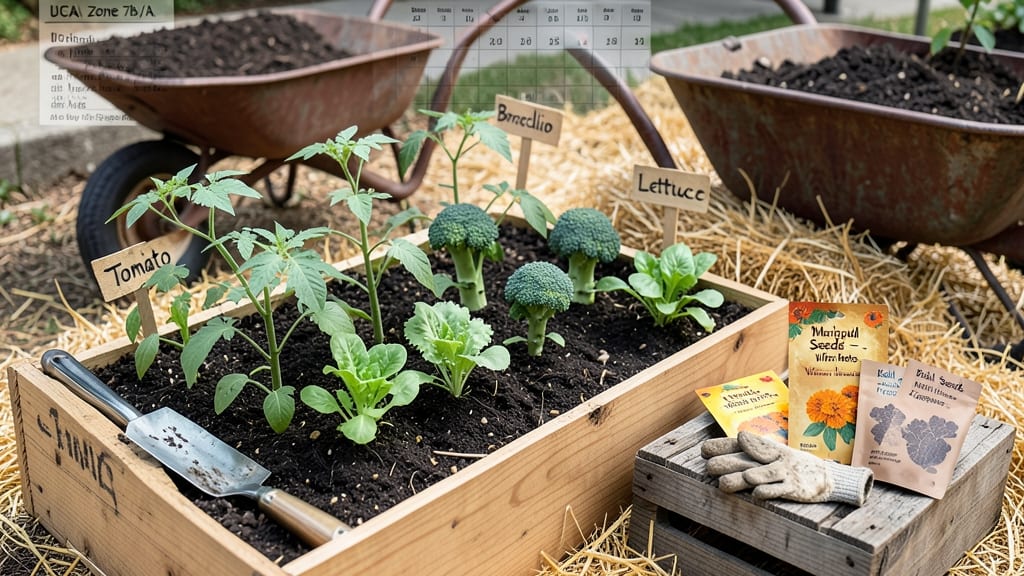
Planting a garden in Washington DC requires timing your seeds and seedlings between mid-March and late May—a window that balances frost risk and summer heat.
Miss that mark, and you’re either watching tender greens crisp in a late freeze or wrestling with wilted tomatoes before they ripen. DC’s Zone 7b climate throws curveballs: urban heat islands can bake soil weeks before rural areas, while microclimates near the Potomac or Anacostia rivers delay frost.
This guide cuts through the guesswork with month-by-month planting deadlines, heat-tolerant crop picks, and tricks to stretch your season—whether you’re sowing cool-season spinach in March or beating the August heat with okra.
By the end, you’ll know exactly when to plant, what to avoid, and how to turn DC’s quirks into a garden that thrives from spring to fall.
Washington DC frost dates & safe planting windows by season (Zone 7b guide)
Washington DC’s Zone 7b climate creates a delicate balance between unpredictable spring frosts and sweltering summer heat. The average last frost date falls between March 15 and April 15, while the first frost typically arrives between October 15 and November 15.
These dates determine whether your cool-season crops survive or your warm-season plants wilt under early cold snaps.
Urban areas like Downtown DC often experience earlier frosts due to heat island effects, while suburban neighborhoods like Arlington or Bethesda may have 2-3 weeks longer growing seasons. Check your local microclimate—areas near water bodies or green spaces tend to stay warmer longer.
For 2024 planting success, I recommend using historical frost data from the National Oceanic and Atmospheric Administration (NOAA) and adjusting for 3-5°F variations based on your yard’s exposure. Cool-season crops like kale and spinach can handle light frosts, while tomatoes and peppers need consistent warmth to thrive.
Here’s a seasonal planting breakdown tailored to DC’s Zone 7b conditions, including microclimate adjustments for urban vs. suburban gardens:
| Season | Planting Window | Cool-Season Crops | Warm-Season Crops | Microclimate Tip |
|---|---|---|---|---|
| Early Spring | March 1–April 15 | Spinach, Lettuce, Peas | None (too cold) | Use row covers for frost protection |
| Late Spring | April 15–May 15 | Kale, Broccoli, Carrots | Tomatoes, Peppers, Basil | Urban areas: Wait until May 1 |
| Summer | May 15–July 31 | None (heat-sensitive) | Okra, Sweet Potatoes, Cucumbers | Use shade cloth for heat protection |
| Early Fall | August 1–September 15 | Radishes, Arugula, Beets | Pumpkins, Green Beans | Suburban areas: Extend season with cold frames |
| Late Fall | September 15–October 15 | Spinach, Garlic, Onions | None (frost-sensitive) | Urban areas: Plant garlic in October for spring harvest |
For cool-season crops, start seeds indoors 6-8 weeks before your target last frost date.
For example, broccoli and cabbage should go in early March for a May harvest. Warm-season crops like tomatoes and peppers need soil temperatures above 60°F, so wait until mid-May for suburban areas or early June in urban heat zones.
DC’s humidity and heat can stress plants, so mulch heavily to retain moisture and water deeply in the morning to prevent fungal diseases. Succession planting every 2-3 weeks ensures a continuous harvest—try bush beans or lettuce in late summer for a fall crop before frost.
If you’re in a microclimate hotspot (like near the National Mall), consider delaying warm-season plants by 2 weeks to avoid heat stress. For suburban gardens, you can push the fall planting window to early November for hardy greens like kale and spinach.
Pro tip: Use NOAA’s Frost/Freeze Tool to check localized frost alerts and adjust your planting schedule accordingly. For 2024,
Best heat-tolerant vegetables & herbs for DC’s hot summers (with planting deadlines)
DC’s summers can hit 95°F+, but don’t let the heat scare you off! These 12 heat-loving plants thrive in Zone 7b’s intense sun while delivering bountiful harvests.
The key? Planting at the right time—after May 15 for most warm-season crops—and using mulch or shade cloth to protect tender seedlings.
I’ve grown these in my Northeast DC garden for years, and they consistently outperform traditional crops. Okra and sweet potatoes love the heat, while basil and cilantro bolt less quickly when planted later. Even Swiss chard (a cool-season favorite) rebounds after summer heat waves with proper care.
🌡️ DC Heat-Tolerant Planting Timeline
- May 15–June 1: Plant okra, black-eyed peas, and sweet potatoes—they need warm soil (70°F+) to germinate.
- June 15–July 1: Direct-sow Southern peas, malabar spinach, and basil after soil temps stabilize.
- July 15–August 1: Transplant tomatoes and peppers (start indoors in May!) and succession-plant basil.
- August 15–September 1: Extend season with shade cloth for lettuce, kale, and Swiss chard.
Pro tip: Mulch heavily (3–4 inches of straw) to retain moisture and cool roots. I’ve seen okra yields double when mulched in August! For herbs like basil, prune aggressively to encourage bushier growth—heat stress makes them leggy otherwise.
DC’s humidity also means fungal diseases lurk year-round. Space plants 12–18 inches apart for airflow, and avoid overhead watering. My tomato plants stay healthier when watered at the base with drip irrigation instead of sprinklers.
Don’t forget succession planting! Sow bush beans or cilantro every 2 weeks from June through August to keep harvests coming. Even in September, you can direct-sow turnips and radishes for a fall crop—just use row covers if nights dip below 50°F.
For container gardens (like my balcony setup), choose compact varieties like ‘Cherry Tomato’ or ‘Thai Basil’. Pots dry out faster in heat, so check soil moisture daily and use self-watering planters if possible. With these tricks, you’ll harvest until October—or even later with a cold frame!