
Light Requirements
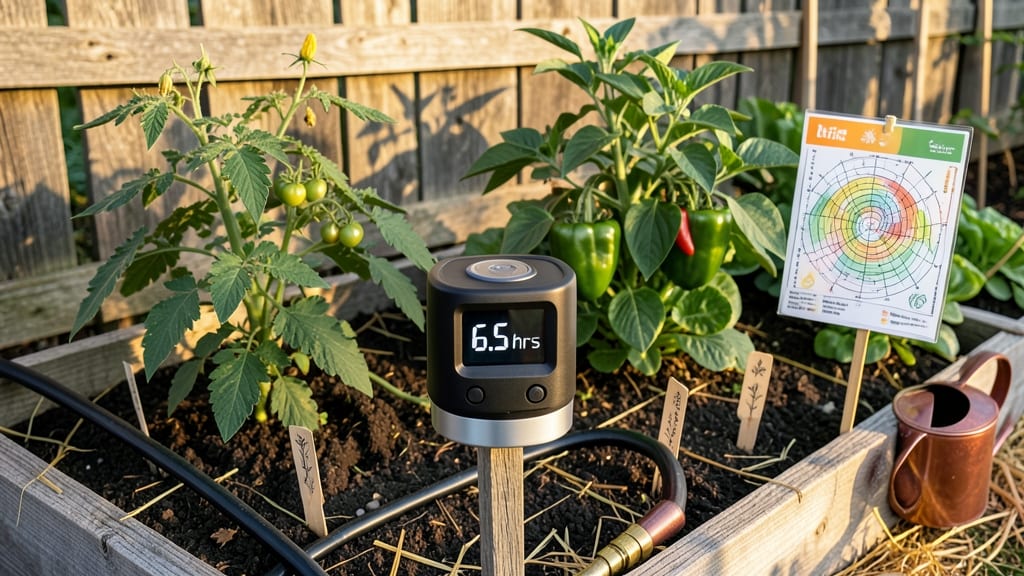
A vegetable garden needs 6 to 8 hours of sunlight daily 🥕 to thrive, but not all plants have the same appetite for rays—some bask in full sun while others prefer gentle shade.
Struggling to decide where to plant your tomatoes or lettuce? Sunlight is the single most critical factor for a thriving vegetable garden—but too much or too little can ruin your harvest.
Too little light and your greens bolt or your peppers stay small. Too much, and your basil wilts or your carrots turn bitter. The key is matching each plant to its ideal spot.
Here’s how to calculate sunlight in your garden, which crops need what, and how to fix common light mistakes—so you can grow a productive, happy vegetable patch all season long.


Sunlight requirements for vegetable plants: full sun vs partial shade breakdown
Understanding your garden’s sunlight exposure is the first step to growing a productive vegetable patch.
Most gardeners assume all veggies need full sun, but the truth is far more nuanced. Tomatoes and peppers thrive with 8+ hours of direct light, while leafy greens like spinach can bolt in too much heat.
Let’s break down the exact sunlight needs for your favorite vegetables and how to adjust for seasonal changes.
Many gardeners overestimate their garden’s sunlight. What seems like full sun in summer might drop to partial shade in winter when the sun sits lower. Morning sun is gentler than afternoon heat, and reflective surfaces (like white fences) can boost light for shade-loving plants.
Even a 2-hour difference in sunlight can impact yield—so precise placement matters.
Here’s a quick reference for your garden planning:
| Vegetable Type | Sunlight Needs | Growth Impact | Examples |
|---|---|---|---|
| Full Sun (6-8+ hours) | Direct light all day | Maximizes fruit/flower production | Tomatoes, Peppers, Cucumbers, Corn, Eggplants |
| Partial Shade (3-6 hours) | Morning sun + afternoon shade | Prevents bolting in heat | Lettuce, Spinach, Kale, Swiss Chard, Radishes |
| Low Light (<3 hours) | Indirect or dappled light | Slower growth, smaller yields | Green Onions, Arugula, Microgreens, Parsley |
Tomatoes and peppers are classic full-sun plants that need at least 6 hours of direct sunlight daily to produce quality fruit. Without enough light, they’ll grow leggy and produce small, bland tomatoes. Even cucumbers, often labeled as "sun-loving," can struggle in intense afternoon heat—they prefer morning sun and afternoon shade in hot climates.
Leafy greens like spinach and kale are often mislabeled as "shade-tolerant," but they actually thrive with 3-5 hours of morning sun. Too much direct afternoon heat causes them to bolt (go to seed) prematurely.
If your garden gets scorching afternoon sun, plant these greens near taller crops like corn or pole beans to create natural shade.
Seasonal changes can drastically alter your garden’s sunlight exposure. In summer, the sun arcs higher, while winter sunlight is weaker and lower. A spot that gets full sun in July might only receive partial shade in December.
Adjust your planting schedule: heat-loving crops like okra and sweet potatoes should go in early summer, while cool-season greens like arugula can handle winter’s gentler light.
If your garden lacks direct sunlight, don’t despair—there are workarounds. Use reflective mulch (like white gravel) to bounce light onto plants, or grow shade-tolerant varieties like ‘Outredgeous’ lettuce, which handles 2-3 hours of sun better than traditional types.
For container gardens, place pots on wheelbarrows or raised stands to follow the sun’s path across your yard.
One common mistake is assuming all vegetables need full sun. Even carrots and beets, often grouped with sun-lovers, perform better with 4-6 hours of light.
Too much sun can cause bolting or bitter flavors. Always check seed packets for specific sunlight ranges—they’re your best guide for placement.
Pro tip: Track your garden’s sunlight for a week using a sunlight journal. Note when shadows move across your space—this helps you rotate crops for optimal growth.
For example, tomatoes planted in a west-facing bed might get too much afternoon heat, while the same spot works perfectly for cabbage in cooler months.
By matching each plant to its ideal sunlight conditions, you’ll avoid stunted growth, poor yields, and wasted effort. Start with this breakdown, then fine-tune based on your garden’s unique light patterns. Your harvest will thank you!
How to calculate sunlight in your garden: practical tips for accurate measurement
Accurately measuring sunlight exposure in your garden is the first step to creating an optimal growing environment. Without precise data, you risk overplanting sun-loving vegetables in shady spots or missing out on high-yield crops that thrive in full light.
I’ve learned that even a 1-2 hour difference in sunlight can drastically affect plant health and productivity.
Start by observing your garden space for at least one full week to account for seasonal variations and cloudy days. Most gardeners mistakenly assume their space gets consistent sunlight, but factors like nearby trees, buildings, and even the time of year can create significant differences.
For example, a morning sun spot might receive only 3 hours of direct light in winter compared to 6 hours in summer.
Here’s how to break down your garden’s sunlight exposure with precision:
- 1. Use a Sunlight Calculator App: Tools like Sun Surveyor or Gardenate track sunlight patterns using your phone’s GPS and compass. These apps provide hourly sunlight maps for your exact location.
- 2. Track Shadows Daily: Place a stake or flag in your garden bed and mark shadow edges every hour from 9 AM to 5 PM. Repeat for 3-5 days to average results.
- 3. Adjust for Seasonal Shifts: Summer solstice (June) offers the longest daylight, while winter solstice (December) can cut sunlight by 30-50% in northern climates. Plan for the shortest daylight month when designing your layout.
- 4. Create Microclimates: Use raised beds, trellises, or reflective surfaces (like white gravel) to redirect light to shady corners. For example, a south-facing wall can extend sunlight by 1-2 hours to adjacent beds.
- 5. Test with a Light Meter: A $20 digital light meter measures lux (light intensity). Aim for 30,000-50,000 lux for full-sun plants like tomatoes and peppers.
Once you’ve mapped your garden’s sunlight zones, group plants by their needs. For instance, tomatoes and peppers require 6-8 hours of direct sun, while leafy greens like spinach thrive with just 3-4 hours.
I’ve found that even a 10% difference in light exposure can reduce tomato yields by up to 30%.
Don’t overlook the quality of light—morning sun (cooler) is ideal for seedlings, while afternoon sun (warmer) helps ripen fruits like tomatoes. Use shade cloths (30-50%) to filter intense midday sun for heat-sensitive crops like basil or cucumbers. This simple adjustment can prevent sunburn and improve flavor.
Pro tip: Label your garden beds with sunlight hours (e.g., "6-8 hrs Sun") to avoid mistakes next season. I’ve seen gardeners double their harvests simply by relocating plants to better-suited spots after their first sunlight audit. Start small—measure just one bed this year—and expand as you gain confidence!