
Tools
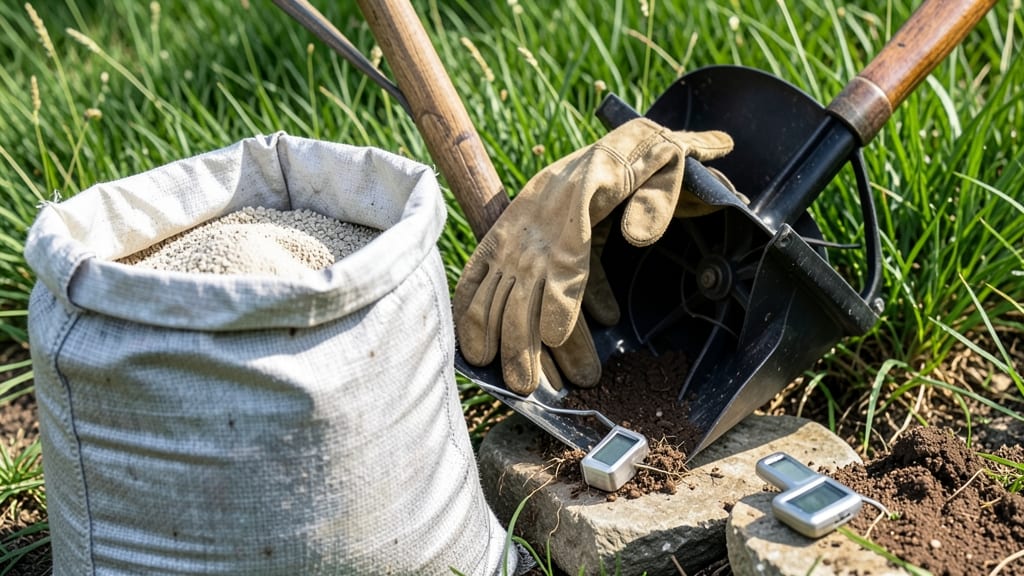
To put lime in garden soil at the right time is all about soil pH and seasonal timing—think fall or early spring when plants aren’t actively growing but the ground is workable.
Struggling with yellowing leaves, stunted growth, or plants that refuse to thrive? Your soil might be too acidic—and lime could be the secret weapon your garden needs. The key is testing first, then applying it 2–3 months before planting to give the pH time to adjust naturally.
Most gardeners in USDA Zone 6a (like me!) swear by fall applications—it’s cooler, the soil absorbs it better, and you avoid burning tender roots. But if your soil test shows extreme acidity, a light spring dose can also help, especially for acid-loving plants like blueberries or azaleas.
Below, I’ll walk you through when, how, and why to lime your garden—plus how to tell if you’re overdoing it. Spoiler: The right timing makes all the difference between a thriving plot and a sad, struggling one.
Best times to apply lime for optimal soil pH balance
If your garden soil is too acidic, adding garden lime can transform struggling plants into thriving ones. But timing matters—apply it too early or late, and you might waste your efforts.
The best times to put lime in garden depend on your climate zone and planting schedule, but fall and spring are the gold standards for most gardeners.
Fall application gives lime months to work before spring planting, while spring lets you adjust pH before new growth begins. Avoid applying lime in summer heat or during freezing winters, as extreme temperatures can reduce its effectiveness.
Let’s break down the ideal seasonal timing and weather conditions for maximum impact.
📌 Key Insight: Lime takes 2–3 months to fully adjust soil pH. Plan applications accordingly to avoid rushed results.
| Season | Best Time to Apply | Ideal Weather | Why It Works |
|---|---|---|---|
| Fall (Sept–Nov) | 2–3 months before spring planting | Cool, dry days (50–70°F) | Lime integrates into soil over winter for spring-ready pH. |
| Spring (March–May) | Before planting (or early spring) | Mild, damp soil (40–65°F) | Adjusts pH before new plants stress soil. |
| Summer (June–Aug) | Avoid (except drought-prone areas) | Hot, dry conditions (>80°F) | Heat reduces lime effectiveness; risks plant stress. |
| Winter (Dec–Feb) | Not recommended (dormant soil) | Frozen or waterlogged ground | Lime won’t integrate; wait for thaw. |
For coastal or rainy climates (e.g., Pacific Northwest), fall is ideal because winter rains help lime leach evenly into the soil. In drier regions (e.g., Southwest), spring application works best to prevent moisture loss.
Always test soil pH before applying lime—most plants thrive in a 6.0–7.0 range, but acid-loving plants like blueberries need 4.5–5.5.
If your soil pH is below 6.0, aim for 2–3 pounds of lime per 100 sq ft in fall or 1–2 pounds in spring. For sandy soils, you may need slightly more, while clay soils hold lime longer and require less.
Always work lime into the top 6 inches of soil for best results.
Pro tip: Spread lime evenly with a broadcast spreader, then lightly rake into the soil. Water lightly afterward to help it settle. Avoid applying lime near acid-loving plants like azaleas or rhododendrons unless you’re targeting a specific area for pH adjustment.
Regional adjustments matter! In USDA Zone 5 or colder, focus on late summer or early fall to avoid winter freeze-thaw cycles. In Zone 8–10, split applications between fall and spring to maintain steady pH. Always monitor soil every 1–2 years—lime’s effects fade over time.
Remember: Over-liming can harm plants just as much as under-liming. Start with a soil test, follow the recommended rates, and re-test in 6 months to gauge progress. With the right timing, lime can revitalize your soil and set your garden up for success.
🌱
How to test soil pH before adding lime: a step-by-step guide
Before you grab that bag of lime, testing your soil pH is the smartest move. Lime raises pH, but applying it blindly can backfire—especially if your soil is already neutral or alkaline. A simple pH test tells you exactly how much lime (if any) your garden needs to thrive.
I’ll walk you through the easiest methods, from quick DIY kits to lab-tested accuracy, so you can make an informed decision.
Most gardeners aim for a pH between 6.0 and 7.0, perfect for vegetables, flowers, and lawns. Acid-loving plants like blueberries and azaleas prefer pH 4.5–5.5, while alkaline-tolerant plants like lavender thrive at pH 7.0–8.0.
Without testing, you risk over-correcting—wasting lime or harming sensitive plants. Let’s get your soil ready for the right amendment.
⚠️ When to Put Lime in Garden: Critical Timing Tips
Never apply lime when plants are actively growing—especially in summer heat—as it can cause root burn. The best times are:
- Early fall (6–8 weeks before frost): Gives lime time to work before winter dormancy.
- Early spring (2–3 months before planting): Allows pH adjustment before seeds germinate.
✅ Pro Tip: Avoid applying lime in drought conditions—water thoroughly first to help it integrate into the soil.
For at-home testing, DIY pH test kits are the easiest and most affordable option. These kits use color-changing indicators to show your soil’s acidity or alkalinity.
Grab a kit from your local garden center (they’re usually under $10) and follow the instructions: mix soil with distilled water, add the reagent, and compare the color to the chart. Results are ready in minutes!
If you’re unsure about the accuracy, consider sending a sample to a local agricultural extension office—many offer free or low-cost soil testing.
Interpreting your results is simple: the pH scale runs from 0 (acidic) to 14 (alkaline). A reading of 7.0 is neutral, below 7.0 is acidic, and above 7.0 is alkaline.
For example, if your test shows a pH of 5.5, your soil is moderately acidic and would benefit from lime. But if it’s already at 6.8, adding lime could push it into alkaline territory, which some plants can’t tolerate. Always double-check your plant’s pH preferences before proceeding.
Once you know your pH, calculate the lime application rate based on your soil type and test results. Sandy soils need more lime because it washes out faster, while clay soils hold onto lime longer.
A general rule: apply 50 lbs of lime per 100 sq ft for every 1.0 pH point you need to raise in sandy soil, or 25 lbs per 100 sq ft for clay soil.
For example, if your pH is 5.0 and you want to reach 6.0 in sandy soil, aim for 50 lbs of lime. Spread it evenly and water it in.
Remember, lime takes time to work—don’t expect instant results. Re-test your soil 2–3 months after application to check progress. If your garden is struggling with yellowing leaves, nutrient deficiencies, or poor growth, a simple pH test could unlock the solution.
With the right approach, lime can transform your soil into a thriving ecosystem for your plants. Happy testing! 🌱