
Planting
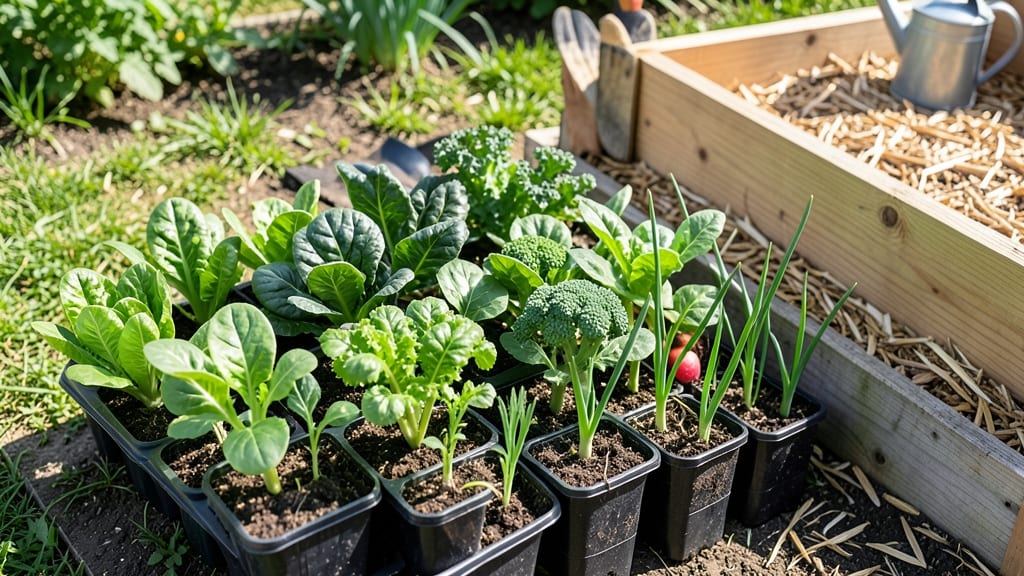
Planting a fall garden in South Texas means beating the heat and timing your crops to thrive before winter’s chill sets in.
South Texas gardeners know the struggle—scorching summers and unpredictable rains can make fall planting a high-stakes game. But timing your fall garden just right means harvesting crisp greens, sweet potatoes, and cool-season veggies before winter’s first frost—here’s exactly when to plant for maximum success.
Unlike northern gardens, where fall planting starts in July, South Texas’s long growing season lets you push the window later—think late July to early August for heat-tolerant crops like okra and black-eyed peas. The key? Choosing varieties that handle the heat while still maturing before frost.
Below, I break down the exact months to plant by region, the top 7 heat-resistant crops that thrive here, and how to avoid the 3 biggest mistakes South Texas gardeners make every year.
Best planting months for a fall garden in South Texas (by region & heat zones)
South Texas gardeners face a unique challenge: balancing scorching summer heat with short fall growing seasons. Unlike northern regions, our USDA Heat Zones 8b-9a demand precise timing to beat the first frost—typically between November 15 and December 15, depending on location.
Getting your fall crops in the ground 8-12 weeks before frost ensures a bountiful harvest before winter sets in.
Microclimates play a huge role—San Antonio’s Hill Country stays warmer longer than Corpus Christi’s coastal areas, while Edinburg’s Rio Grande Valley can push the season even later.
I’ve broken down the best planting windows by region, accounting for soil temperatures, heat tolerance, and last frost averages to help you plan like a pro.
For heat-tolerant crops like okra and sweet potatoes, start as early as late July in most regions. These plants thrive in 90°F+ soil temperatures and can handle South Texas’ brutal summers. I recommend direct-sowing seeds in well-draining, compost-amended soil to prevent rot during our sudden summer-to-fall rain shifts.
Switch to cool-season crops like lettuce and broccoli by mid-August in San Antonio or early September in Corpus Christi. These need soil temps below 85°F to germinate properly. A soil thermometer is your best friend here—aim for 70–80°F for most seeds.
Edinburg’s Rio Grande Valley has the longest growing window, thanks to its proximity to the Gulf. Here, you can even plant winter greens in October and enjoy harvests through February. Use black plastic mulch to warm soil for early plantings or straw mulch to cool it for late-season crops.
Don’t forget about transplanting timing—seedlings like tomatoes and peppers need 6–8 weeks to mature before frost. Start these indoors in June or buy established plants from local nurseries in early August to avoid the rush.
Watering strategies change with the seasons: deep, infrequent watering in summer (every 3–4 days) shifts to light, frequent watering in fall (daily for seedlings). Always water in the morning to prevent fungal diseases like powdery mildew, which thrives in South Texas’ humid nights.
If you’re in Zone 8b (San Antonio/Hill Country), your last frost date is critical. Plan to harvest spinach and radishes by November 15 and broccoli by December 1 to avoid bolting.
For Zone 9a (Corpus Christi/Edinburg), you’ve got more wiggle room—lettuce and carrots can often survive until January with protection.
One of my biggest mistakes early on was ignoring microclimates. A spot near your house might stay 10°F warmer than your backyard due to heat retention. Test your garden’s microclimates by planting a temperature-sensitive crop like basil—if it thrives late, you can push your fall season further.
For emergency frost protection, keep row covers, frost cloth, and cold frames on hand. Even a light frost can ruin tender greens, but with the right tools, you can salvage up to 90% of your crop. I’ve seen collard greens survive light frosts and even taste sweeter
Top 7 heat-tolerant fall crops for South Texas (and how to extend their season)
South Texas’ long, hot summers make fall gardening a challenge—but with the right heat-tolerant crops, you can beat the heat and enjoy a bountiful harvest. These 7 high-yielding varieties thrive in late summer planting and extend your growing season well into winter.
From okra to collards, these plants are drought-resistant and packed with flavor.
To maximize success, focus on soil preparation and companion planting. South Texas soil often lacks organic matter, so amending with compost or aged manure before planting is key. Pairing crops like black-eyed peas with okra or sweet potatoes with collards can improve yields and deter pests naturally.
For extended season success, use drip irrigation to conserve water and apply a 2-inch mulch layer of straw or wood chips. This keeps roots cool and reduces evaporation. Succession planting every 2-3 weeks ensures a continuous harvest until December.
Monitor local frost dates—South Texas’ first frost varies by region (e.g., mid-November in San Antonio, late November in Corpus Christirow covers or cold frames to protect tender crops like collards and kale through winter.
With these heat-tolerant crops and smart strategies, your South Texas fall garden can outperform the heat and deliver a late-season bounty—even as temperatures drop. Happy planting! 🌱