
Planting
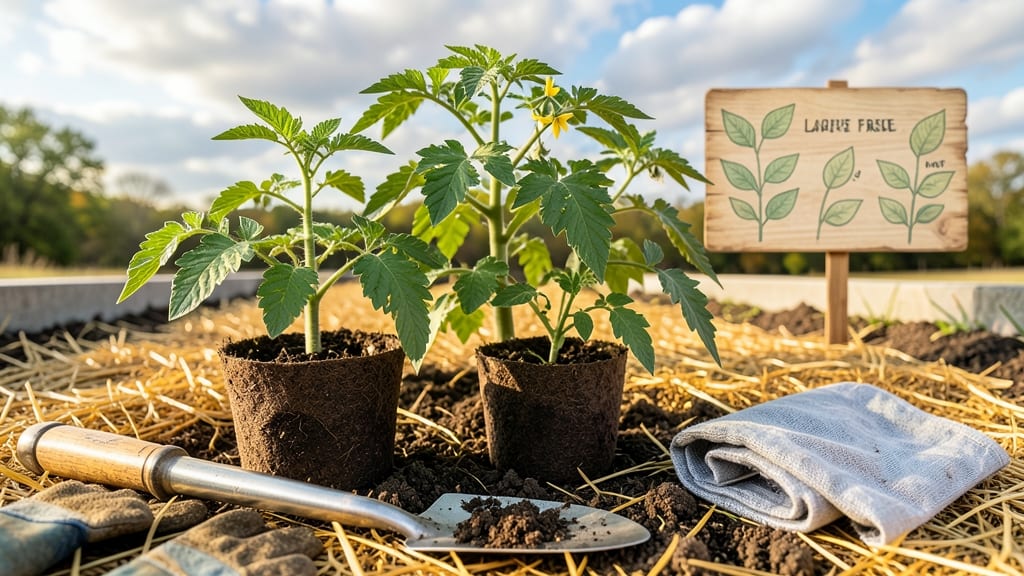
Planting a garden in Ohio after the last frost—typically around mid-April—sets the stage for a productive growing season 🌱, but timing is everything in the Buckeye State’s variable climate.
Ohio’s unpredictable spring weather can turn a gardener’s excitement into frustration—plant too early, and frost will kill your tender seedlings. But get these timing details right, and you’ll enjoy a thriving garden from the Buckeye State’s Zone 4 to Zone 6.
This guide breaks down exact frost dates by zone, soil temperature tips, and how to adjust planting times for Ohio’s unique microclimates—whether you’re in northern or southern Ohio.
You’ll learn how to prepare your soil, start seeds indoors, and transplant outdoors for a strong start, plus Ohio-specific strategies to handle late frosts and early heat waves.
Ohio planting calendar by Zone: exact frost dates for vegetables, flowers, and herbs
Ohio’s gardening success hinges on understanding last frost dates, which vary dramatically from Zone 4 in northern Ohio to Zone 6 in the southern regions.
In Zone 4 (e.g., Toledo, Cleveland), the average last frost date is April 25, while Zone 6 (e.g., Cincinnati, Columbus) typically sees frost-free conditions by April 15. These dates mark the window for planting warm-season crops like tomatoes and peppers, but cold-hardy greens can go in weeks earlier.
For cool-season vegetables such as spinach, kale, and peas, I start seeds indoors 6-8 weeks before the last frost date. These cold-tolerant crops can even handle light frosts, making them ideal for Ohio’s early spring.
Meanwhile, frost-sensitive flowers like petunias and marigolds should wait until two weeks after the last frost to avoid damage from unexpected cold snaps.
Here’s a quick reference for Ohio’s last frost dates by zone, along with ideal planting windows for key crops:
In my experience, Zone 6 gardeners can push the envelope further by planting early-maturing varieties of tomatoes and peppers 2-3 weeks before the official last frost date. I’ve had success with ‘Early Girl’ tomatoes and ‘Bell Boy’ peppers in raised beds, which warm up faster than the surrounding soil.
For herbs like basil, I wait until soil temperatures hit 60°F—usually mid-May in Zone 4—to avoid stunted growth.
Herbs like parsley and cilantro are exceptions—they thrive in cooler temperatures and can be sown directly into the garden as early as March in Zone 6. However, they’ll bolt (go to seed) quickly if temperatures rise above 75°F, so I plant them in partial shade during summer months.
For frost-sensitive perennials like lavender, I wait until after Memorial Day to transplant them outdoors.
Ohio’s first frost dates also vary by zone, with Zone 4 seeing frost as early as October 10 and Zone 6 holding off until October 25. This means fall planting for cool-season crops like kale and radishes should start by August 1 to ensure harvest before winter sets in.
I always mark my calendar with these dates and use row covers to extend the
How to adjust planting times for Ohio’s unpredictable weather patterns
Ohio’s variable climate can make planting feel like a guessing game—one week of warm sunshine followed by a late frost in May. The key to success?
Flexibility. I’ve learned to use season extenders and early/late varieties to stretch growing windows, ensuring my tomatoes and peppers thrive even when Mother Nature plays tricks.
Start by monitoring soil temperatures—most warm-season crops need at least 60°F soil to germinate. I use a soil thermometer to avoid planting too soon.
For cool-season crops like spinach or kale, I plant them 6 weeks before the last frost date (usually mid-April in most of Ohio) to ensure they mature before summer heat sets in.
🌱 Pro Tips for Ohio’s Unpredictable Weather
- 1. Use row covers to protect tender seedlings from late frosts. I’ve extended my cucumber season by 2-3 weeks with lightweight fabric.
- 2. Choose early/late varieties like ‘Early Girl’ tomatoes or ‘Sugar Snap’ peas—they mature faster in Ohio’s short season.
- 3. Plant succession crops every 2 weeks (e.g., lettuce, radishes) to ensure a continuous harvest.
- 4. Harden off seedlings gradually for 10-14 days before transplanting to avoid shock from Ohio’s temperature swings.
- 5. Keep a frost calendar handy—Ohio’s first frost can arrive as early as October 15 in northern zones.
For warm-season plants, I wait until after Memorial Day (around May 30) to plant tomatoes and peppers, even if the soil is warm earlier.
This gives me a buffer against unexpected cold snaps. I also use black plastic mulch to warm the soil faster and keep weeds at bay.
Don’t overlook fall planting—Ohio’s second growing season is often overlooked but can yield bountiful harvests of kale, carrots, and broccoli. I plant these 60-90 days before the first frost (aim for late July to early August) for a late-season harvest.
If you’re new to gardening in Ohio, start small with cold-hardy crops like peas or radishes—they’re forgiving and give you confidence. Over time, you’ll learn to read Ohio’s microclimates (e.g., urban heat islands vs. rural areas) and adjust planting times accordingly.
Remember, even experienced gardeners in Ohio face weather surprises. The difference? We adapt. Whether it’s covering plants at night or choosing the right varieties, these strategies help me make the most of Ohio’s short but productive growing season. 🌿