
Advice
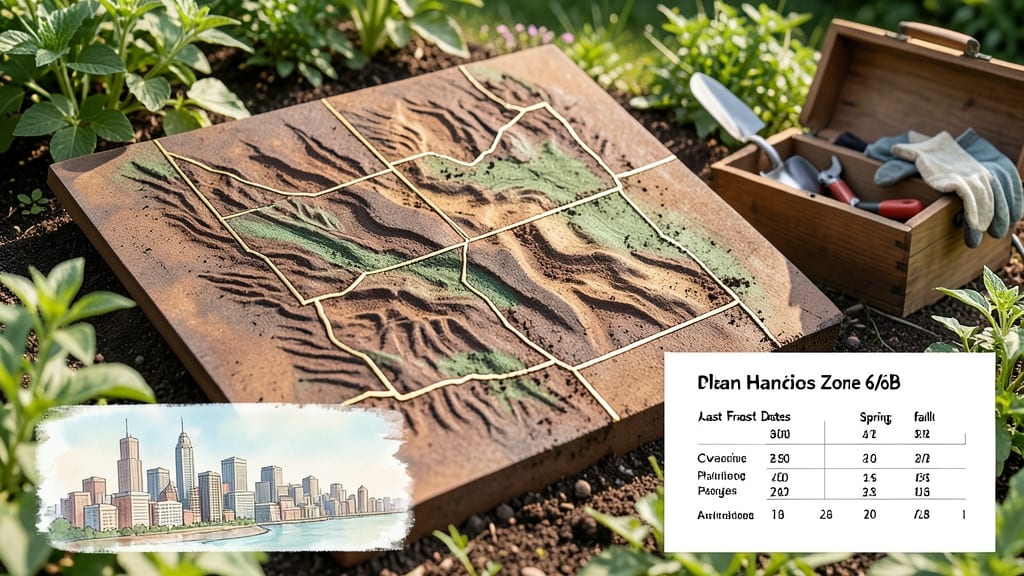
Cincinnati, Ohio, falls in the USDA Hardiness Zones 6a and 6b, which means your garden has a shorter growing window than you might think—unless you know how to work with it.
If you're planning your Cincinnati garden this year, knowing your precise USDA zone (6a-6b) is just the beginning. Microclimates can shift planting seasons by weeks! Whether you're dealing with urban heat islands or cooler hillsides, these hidden factors can make all the difference in what thrives in your yard.
Understanding your zone helps you time planting for April’s last frost and avoid the first frost in late October. But it’s not just about dates—it’s about matching plants to your microclimate.
A south-facing bed might be a full zone warmer than your north side, and that could mean the difference between a bumper crop and a struggle.
In this guide, I’ll break down Cincinnati’s frost dates, how to spot microclimates in your yard, and which plants will reward you the most. By the end, you’ll know exactly how to stretch your growing season—no guesswork, just results.
Cincinnati’s USDA zone 6a-6b: frost dates, planting seasons & key growing conditions
Cincinnati sits squarely in USDA Hardiness Zones 6a and 6b, where winter lows typically range from -10°F to 0°F (-23°C to -18°C). This classification means you can grow a wide variety of perennials, vegetables, and annuals—but timing is everything.
The last spring frost usually arrives between April 15 and May 1, while the first fall frost often hits between October 15 and November 1. These dates shape your entire planting calendar, from cool-season crops to heat-loving tomatoes.
Understanding your zone helps you avoid frost damage and extend your growing season. For example, cold-hardy kale can survive Cincinnati’s winters, while tender basil needs to be planted after the last frost. Even within Zone 6a-6b, microclimates—like urban heat islands or north-facing slopes—can shift planting windows by 2-3 weeks.
Let’s break down how to use these frost dates and heat zones for a thriving garden.
🌱
Your last frost date is the golden rule for planting warm-season vegetables like tomatoes, peppers, and cucumbers. In Zone 6b, you can often push these crops slightly earlier than Zone 6a. For example, if your last frost is April 25, wait until May 1–5 to transplant seedlings.
Meanwhile, cool-season crops such as broccoli, carrots, and peas can go in the ground as early as mid-March, even before the last frost, since they thrive in cooler temperatures.
Cincinnati’s first frost timing (October 15–November 1) signals the end of the growing season for tender plants. Use this window to harvest remaining vegetables or protect sensitive plants with row covers or cold frames.
Some plants, like garlic and hardy greens, can overwinter and be harvested in early spring. For heat-sensitive plants, consider short-season varieties or extend your season with season extenders like hoop houses.
Heat zones (7a-7b) add another layer to Cincinnati’s gardening puzzle. Urban areas, especially those with concrete and asphalt, can experience microclimates up to 4°F warmer than rural zones. This means heat-loving plants like okra, sweet potatoes, and eggplant may thrive in city gardens where they’d struggle in cooler microclimates.
Always check your specific location—even within the same neighborhood, north-facing yards can be 5–10°F cooler than south-facing ones.
To maximize your garden’s potential, align your planting schedule with Cincinnati’s frost-free days (150–175 days). This gives you enough time to grow fast-maturing crops like bush beans (50–60 days) or radishes (25–30 days).
For longer-season crops like tomatoes (70–85 days), start seeds indoors 6–8 weeks before the last frost to ensure they’re ready to transplant on time. Use local extension service resources, like the University of Cincinnati’s Master Gardener program, for hyper-local advice.
🌿
Don’t let Cincinnati’s variable weather catch you off guard. Keep a garden journal to track your own frost dates over the years—your yard’s microclimate may differ slightly from the averages. For example, if you notice frost hits your garden on
Microclimates in Cincinnati: how urban heat islands, hillsides & water bodies affect your garden
Cincinnati’s USDA Zone 6a-6b provides a great starting point, but your garden’s microclimates can create dramatic differences in temperature and growing conditions. Urban heat islands in downtown areas can feel 2–4°F warmer than rural zones, while north-facing hillsides may stay 5–10°F cooler than flat landscapes.
Even the Ohio River’s influence extends growing seasons near waterfront properties by 2–3 weeks.
Understanding these microclimates helps you choose the right plants and adjust planting timelines for optimal success. For example, heat-loving tomatoes thrive in urban areas, while cold-hardy kale grows better on cooler hillsides. Let’s break down how to identify and leverage these microclimates in your Cincinnati garden.
Key Microclimates in Cincinnati & How to Use Them
- 🌆 Urban Heat Islands: Downtown areas (e.g., Over-the-Rhine) can be 2–4°F warmer than suburbs. Plant heat-tolerant varieties like 'Heatmaster' tomatoes or okra.
- 🏔️ North-Facing Slopes: Cooler by 5–10°F—ideal for cool-season crops like broccoli or blueberries. Start seeds 2–3 weeks earlier than flat areas.
- 💧 River Valleys (Ohio River): Extended growing season (2–3 weeks longer). Perfect for tender perennials like roses or lavender.
- 🌳 South-Facing Walls: 10–15°F warmer than open areas. Use for winter greens like spinach or herbs such as basil.
- 🌊 Water Bodies (Ponds/Lakes): Higher humidity—great for moisture-loving plants like hostas or ferns. Monitor for fungal diseases.
To harness these microclimates, start by mapping your garden with a simple sketch. Note sun exposure patterns, wind direction, and proximity to buildings or water.
For instance, a south-facing slope might get enough heat to grow peppers when flat areas can’t. Conversely, a north-facing shady spot is perfect for hostas or heucheras.
Adjust your planting timeline based on microclimate data. In urban heat islands, you can plant warm-season crops like cucumbers or squash 1–2 weeks earlier than the average last frost date. On cooler hillsides, delay planting heat-lovers until after May 15 to avoid frost damage.
Water management is another critical factor. Urban areas dry out faster due to concrete and asphalt, so mulch heavily to retain moisture. Near the river, drainage becomes key—avoid planting waterlogged-sensitive species like lavender in low-lying spots. Instead, opt for native wetland plants like cattails or iris.
Pro tip: Use shade cloth or reflective mulches in hot microclimates to protect heat-sensitive plants like lettuce or spinach from bolting. On cooler slopes, black plastic mulch can warm the soil enough to extend the growing season for strawberries or carrots.