
Flowers
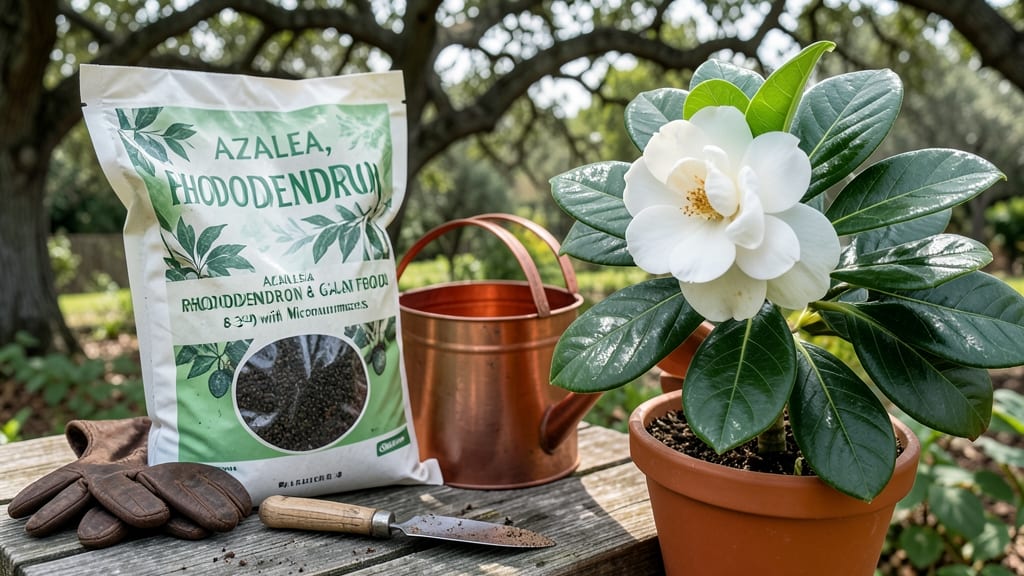
To keep your gardenia blooming with fragrant, show-stopping flowers, you need a fertilizer that matches its acid-loving nature.
Struggling to get your gardenia 🌸 to bloom? The secret lies in the right fertilizer—these acid-loving beauties demand precise nutrition to reward you with fragrant, show-stopping flowers. But with so many options, how do you choose?
Gardenia plants thrive when fed with the right balance of nutrients, especially during their spring and summer growing season. The wrong fertilizer can lead to yellow leaves or bud drop, while the right one keeps your gardenia lush and blooming all season long.
In this guide, I’ll walk you through the best organic and synthetic fertilizers for gardenias, how to apply them correctly, and how to avoid common mistakes that can stunt your plant’s growth.

Best acid-loving fertilizers for gardenia blooms: organic vs. synthetic options
Your gardenia thrives on acidic soil with precise nutrition to fuel those fragrant blooms. The wrong fertilizer can stunt growth or cause bud drop, while the right one transforms your shrub into a flowering powerhouse.
Let’s break down the best acid-loving fertilizers—organic, synthetic, and slow-release—to help you choose the perfect match for your gardenia’s needs.
Gardenia flowers demand a balanced NPK ratio (like 10-10-10 or 8-3-9) with added iron and magnesium to prevent yellowing leaves. They also need soil with a pH between 5.0 and 6.5.
Organic fertilizers like fish emulsion or cottonseed meal slowly release nutrients, while synthetic options provide immediate results. Let’s compare your top choices to find the best fit.
For organic gardeners, fish emulsion and cottonseed meal are my top picks. Fish emulsion provides quick access to iron and magnesium, which gardenias crave to prevent chlorosis (yellowing leaves).
Cottonseed meal, on the other hand, releases nutrients slowly, making it ideal for long-term soil health. Both options naturally lower soil pH, creating the perfect acidic environment.
If you prefer synthetic fertilizers, look for acid-loving plant food blends like Miracle-Gro or Jobe’s. These formulations include sulfur to maintain acidity while delivering a high-phosphorus boost for blooms.
Synthetic options are great for immediate results, but they require more frequent applications—typically every 4-6 weeks during the growing season.
Slow-release fertilizers like Osmocote are a game-changer for busy gardeners. These granules release nutrients over 3-4 months, reducing the risk of over-fertilization while keeping your gardenia consistently fed.
They’re especially useful if you tend to forget regular feedings. Pair them with peat moss or pine bark to maintain the right acidic pH.
One critical tip: Avoid fertilizers with high salt content, like some synthetic blends, as they can burn roots. Always water your gardenia thoroughly after applying fertilizer to help nutrients absorb and prevent salt buildup.
For container-grown gardenias, flush the soil with water every 2-3 months to remove excess salts.
For extra blooms, add a foliar spray like seaweed extract (organic) or calcium nitrate (synthetic) during bud formation. These sprays provide quick nutrient uptake and can help prevent bud drop. Just remember: less is more—over-fertilizing can do more harm than good, especially in hot summer months.
Start with a soil test to check your gardenia’s current pH and nutrient levels. If your soil is too alkaline, amend it with elemental sulfur or pine needles before applying fertilizer.
Once you’ve got the right balance, your gardenia will reward you with lush foliage and abundant blooms all season long.
🌸
How to apply gardenia flower fertilizer for maximum blooms: step-by-step guide
Gardenia plants thrive when fed with the right nutrients at the right time, but timing and technique make all the difference. Overdoing it can burn roots, while underfeeding starves your plant of the phosphorus and potassium it needs for heavy blooming.
The key is a balanced approach that mimics natural feeding cycles while keeping soil acidic (pH 5.0-6.5). Let’s break it down into simple, actionable steps to ensure your gardenias reward you with fragrant, abundant flowers all season.
Before you start, ensure your gardenia is planted in well-draining, acidic soil. Gardenias hate soggy roots, so amend heavy clay with peat moss or pine bark to improve aeration. Test your soil’s pH—if it’s above 7.0, mix in sulfur or sphagnum peat to lower it gradually.
A healthy soil foundation sets the stage for successful fertilization and prevents nutrient deficiencies that can cause yellow leaves or bud drop.
- 1 Choose the Right Fertilizer: Opt for an acid-loving plant fertilizer with an NPK ratio of 10-10-10 or 8-3-9. Look for added iron and magnesium to prevent yellowing leaves. Organic options like fish emulsion or cottonseed meal work well, but synthetic fertilizers offer faster results.
- 2 Prep the Soil: Water your gardenia thoroughly 24 hours before fertilizing to ensure nutrients are absorbed into moist soil. Loosen the top 2-3 inches of soil around the base to encourage root uptake.
- 3 Apply Fertilizer: Sprinkle 1 tablespoon of fertilizer per plant (or follow label instructions) around the drip line (outer edge of branches). Avoid touching the trunk or leaves to prevent burn. Gently scratch the fertilizer into the top inch of soil.
- 4 Water Immediately: Apply 1-2 cups of water per plant to help nutrients dissolve and reach the roots. Watering in the early morning reduces evaporation and fungal risks.
- 5 Foliar Spray (Optional): For a quick nutrient boost, mix 1 teaspoon of liquid fertilizer in 1 gallon of water and spray the leaves in the morning. This helps with iron deficiency (common in gardenias) and speeds up nutrient absorption.
- 6 Seasonal Schedule: Feed gardenias every 4-6 weeks during spring and summer (March–August). Reduce feeding in fall and winter as growth slows. Avoid fertilizing if buds are already forming—this can cause bud drop.
- 7 Monitor and Adjust: Watch for signs of over-fertilization (brown leaf tips) or deficiency (yellow leaves). If you see issues, flush the soil with water for 10 minutes to leach excess salts, then adjust your feeding schedule.
Timing your fertilizer applications is just as critical as the product itself. Start feeding in early spring (March–April) to stimulate new growth, then continue through summer to support blooming. Stop fertilizing by late August to allow your gardenia to prepare for dormancy.
This seasonal rhythm ensures your plant isn’t overwhelmed and can focus energy on producing fragrant, healthy blooms.
If your gardenia’s leaves start turning yellow between the veins, it’s a classic sign of iron deficiency, common in gardenias even with acidic soil. In this case, switch to a chelated iron fertilizer and apply it as a foliar spray or soil drench.
For bud drop, reduce fertilizer and ensure your plant gets bright, indirect light—too much shade or stress can cause buds to fall off before opening.
With consistent care and the right feeding routine, your gardenia will thrive and reward you with months of fragrant blooms. Remember, the goal is to mimic natural feeding cycles, not overpower your plant.
Patience and precision pay off in the form of show-stopping, sweet-smelling flowers that’ll make your garden the envy of the neighborhood. 🌸