
Planting
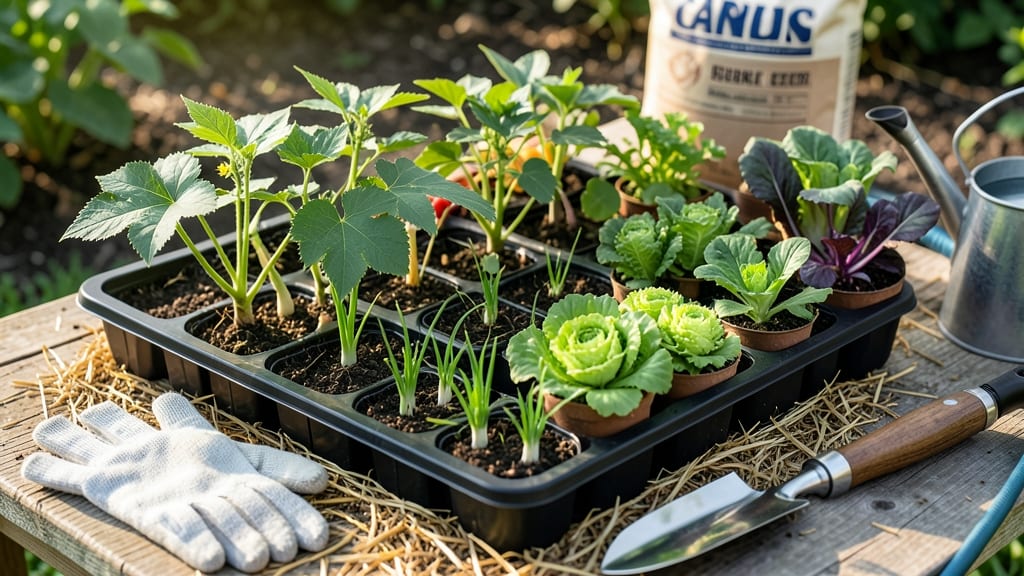
Planting your spring garden in Texas at the right time means the difference between a bumper crop and a sad, wilted mess—especially when summer heat arrives faster than you expect.
Texas gardeners face a unique challenge: scorching summers and unpredictable springs—but timing your spring planting right can mean the difference between a thriving harvest and a failed crop. Missing the window by even a week could leave your vegetables struggling under 100°F heat.
With 10 distinct planting zones across the state, there’s no single answer for everyone. North Texas has a later last frost than South Texas, and coastal areas can plant weeks earlier. The key? Knowing your zone and the fastest-growing crops to beat the heat.
In this guide, I’ll break down the exact dates for your region, plus pro tips for adjusting to Texas’ variable weather—so you can plant with confidence and harvest before summer shuts you down.
Texas planting zones & exact spring planting dates by region
Texas spans 10 distinct planting zones (A-F), each with unique last frost dates and heat tolerance thresholds. These zones determine when to plant cool-season crops like lettuce and heat-loving varieties like okra.
North Texas (Zones A-B) has earlier frost dates than South Texas (Zones E-F), creating a 6-week planting window difference across the state.
For cool-season vegetables (broccoli, cabbage, peas), aim to plant 4-6 weeks before your last frost.
In Zone A (North Texas), this means mid-February, while Zone F (South Texas) can start as early as late January. Heat-tolerant crops like sweet potatoes and peppers thrive when planted after April 15 in most regions.
Here’s your region-specific planting guide with exact dates for vegetables, herbs, and flowers:
| Zone | Last Frost Date | Cool-Season Start | Heat-Tolerant Start | Key Crops |
|---|---|---|---|---|
| A (North TX) | Feb 15 | Mid-Feb | Apr 15 | Lettuce, Peas, Okra |
| B (Central North) | Feb 28 | Late Feb | Apr 1 | Spinach, Cucumbers, Basil |
| C (East TX) | Mar 1 | Late Feb | Mar 20 | Collards, Tomatoes, Peppers |
| D (Central TX) | Mar 15 | Early Mar | Mar 25 | Kale, Eggplant, Zucchini |
| E (South TX) | Jan 31 | Late Jan | Feb 15 | Malabar Spinach, Sweet Potatoes |
| F (Deep South) | Jan 15 | Early Jan | Feb 1 | Okra, Peanuts, Watermelon |
In Zone A (North Texas), early springs can bring unpredictable frost until mid-February. I recommend planting cold-hardy crops like peas and spinach by February 1 and using row covers for extra protection. Heat-loving crops like okra and sweet potatoes should wait until April 15 to avoid wilting.
For Central Texas (Zones C-D), the last frost date shifts to March 1-15, giving you a 2-week later window for cool-season planting. Start broccoli and cabbage by early March and transition to tomatoes and peppers after March 20. Soil temperatures in
How to adjust planting times for Texas heat waves & soil temperatures
Texas' unpredictable spring weather can turn a perfect planting window into a disaster if you're not prepared. Soil temperatures above 85°F can shock seedlings, while sudden heat waves cause bolted greens or wilted transplants.
The key is adjusting your schedule using soil thermometers and selecting heat-resistant varieties like Malabar spinach or okra that thrive in warmer conditions.
Don't rely solely on calendar dates—frost-free dates vary dramatically across Texas' 10 planting zones. For example, North Texas may see its last frost in mid-March, while South Texas could be frost-free by early February.
Always verify your local last frost date using the Texas A&M AgriLife Extension maps, which account for microclimates like urban heat islands.
⚠️ Critical Warning: Texas Heat Shock Risk
Never plant cool-season crops when soil temps exceed 75°F—even if nighttime air temps feel mild. Use a soil thermometer (insert 2" deep) to check before sowing. Heat waves can raise soil temps 10-15°F higher than air temps, causing seedling death within 24 hours.
Solution: Wait until soil temps drop below 80°F for lettuce, or choose heat-tolerant varieties like 'Black Seeded Simpson' lettuce (tolerates 90°F soil). For tomatoes, delay planting until after May 1 in most of Texas to avoid blossom drop from heat stress.
For gardeners in Central and South Texas, where summers arrive early, consider succession planting with fast-maturing crops. Start radishes or bush beans in late February, then follow with okra or sweet potatoes by early April.
These varieties handle 95°F+ soil better than traditional spring crops, giving you a 6-8 week head start before full summer heat sets in.
Extend your planting window with row covers made of floating fabric (like Agribon). These create a 5-10°F cooler microclimate, allowing you to plant 2-3 weeks earlier in spring or 1-2 weeks later in fall.
Secure covers with brick weights or hoop tunnels to prevent wind damage, and remove them during hot afternoons to avoid overheating.
Monitor heat wave forecasts from the National Weather Service and adjust your watering schedule. Deep watering in the early morning (before 8 AM) reduces stress on seedlings. Use mulch like straw or wood chips to keep soil temps 10°F cooler and retain moisture.
For container gardens, switch to self-watering pots to prevent drying out during 100°F+ days.
Remember: Texas heat waves can arrive as early as March in South Texas or as late as May in the Panhandle. By combining soil temperature data, heat-resistant varieties, and season-extending tools, you can safely plant 4-6 weeks later than traditional spring schedules—without sacrificing your harvest.
Start with one heat-tolerant crop, like Malabar spinach, to test your adjusted timeline before expanding.