
Light Requirements
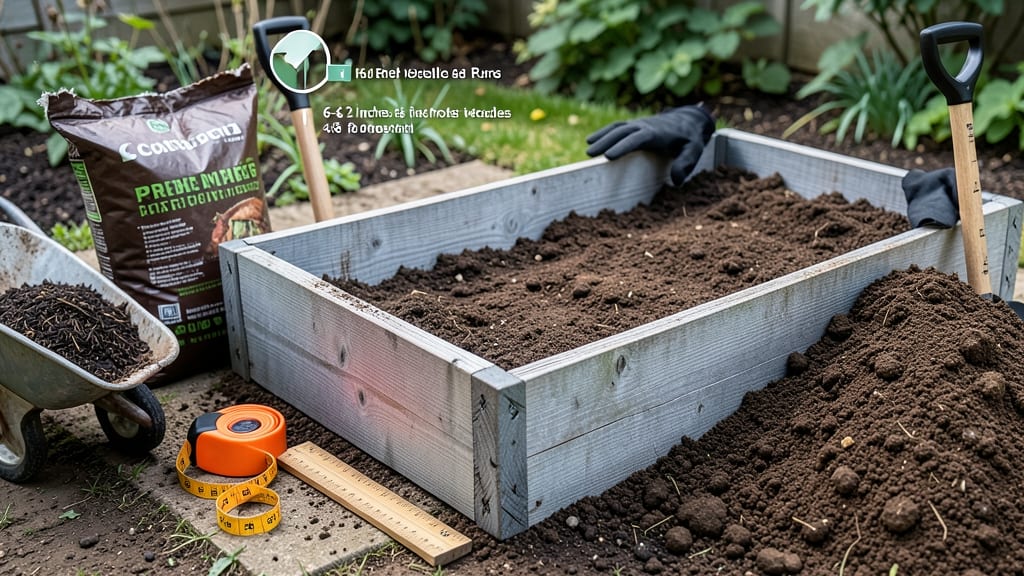
To determine how much soil for a raised garden bed, aim for 6 to 12 inches—6 inches works for leafy greens like lettuce, while deeper beds (9–12 inches) support vegetables (tomatoes, peppers) or perennials. Root crops (carrots, potatoes) need even more depth, ideally 12+ inches. Always blend in compost for better fertility and drainage.
Raised garden beds let you control soil quality and depth, but getting the right amount depends on what you're growing. 🌱 Shallow-rooted herbs and greens thrive in just 6 inches, while fruiting plants like tomatoes or peppers benefit from deeper soil to support their heavier growth.
For root vegetables, deeper beds prevent forking and ensure proper development. I always recommend adding a 2–3 inch layer of compost to the bottom for drainage and nutrients—this extra step makes a huge difference in plant health and yield.
When calculating soil volume, multiply your bed's length and width (in feet) by the desired depth (in feet) to get cubic feet. For example, a 4'x8' bed with 10" of soil needs about 26.7 cubic feet—roughly 13 standard 2-cubic-foot bags.
Layering with cardboard or straw at the bottom can reduce costs while improving soil structure over time.
💡 In This Article
- Soil Depth Requirements for Different Plant Types
- Calculating Soil Volume for Raised Beds by Size and Shape
Soil depth requirements for different plant types
Soil depth in raised beds isn't one-size-fits-all—it directly impacts root development and plant health. Leafy greens like lettuce, spinach, and kale only need 6 inches of soil because their roots grow shallowly, typically reaching just 4-6 inches deep.
These plants focus their energy on rapid leaf production rather than deep root systems, so shallower beds work perfectly. 🌱 The key here is maintaining consistent moisture and nutrients in that top layer, which is easier with lighter, well-draining soil mixes.
For fruiting plants like tomatoes, peppers, and squash, aim for 9-12 inches of soil. These plants develop extensive root systems that spread 12-24 inches wide and deep to support heavy vines and fruit production.
Tomatoes, for example, can produce 20-30 pounds per plant when given proper depth—double what you'd get in shallow beds. The extra space allows roots to access more water and nutrients, reducing stress during flowering and fruiting stages.
Herbs like basil and cilantro also thrive in 9-12 inches, though their roots are less extensive than vegetables.
Root crops present the biggest challenge—carrots, potatoes, and beets need 12+ inches of loose, stone-free soil to prevent forking or stunted growth. Carrots, in particular, require 10-12 inches of depth to develop their signature straight shape; anything less often results in crooked roots that bend around obstacles.
Potatoes, which grow tubers underground, benefit from 12-18 inches of soil to accommodate their expanding bulbs. The secret here is using a sandy loam mix with 30-40% compost to create a crumbly texture that roots can easily penetrate.
Perennials like asparagus and rhubarb need even more depth—12-18 inches—because they establish deep root systems that can live for decades. Asparagus crowns, for instance, send roots 3-5 feet deep over time, so deeper beds pay off in long-term productivity. The trade-off?
Deeper beds require more soil volume and initial investment, but they reduce the need for frequent watering and fertilizing as the plants mature. 💧 For most gardeners, 12 inches strikes the best balance between versatility and manageability, accommodating everything from greens to most vegetables.
What you might not realize is how soil composition interacts with depth. Heavy clay soils compact easily, reducing oxygen availability to roots—this is why raised beds excel. A 50-50 mix of topsoil and compost creates ideal porosity, allowing roots to spread freely while retaining moisture.
For example, a 4'x8' bed with 12 inches of this mix contains about 35 cubic feet of soil—enough to support multiple heavy feeders like tomatoes or zucchini plants without competition for nutrients.
Pro tip: If you're growing multiple plant types, consider dividing your bed into sections with varying depths. For instance, dedicate one corner to greens (6 inches) while keeping the main area at 12 inches for vegetables.
This approach maximizes space while tailoring conditions to each plant's needs. The visual difference in growth between properly spaced roots and crowded ones is striking—healthy plants stand tall with vibrant leaves, while restricted ones wilt or produce poorly.