
Pests
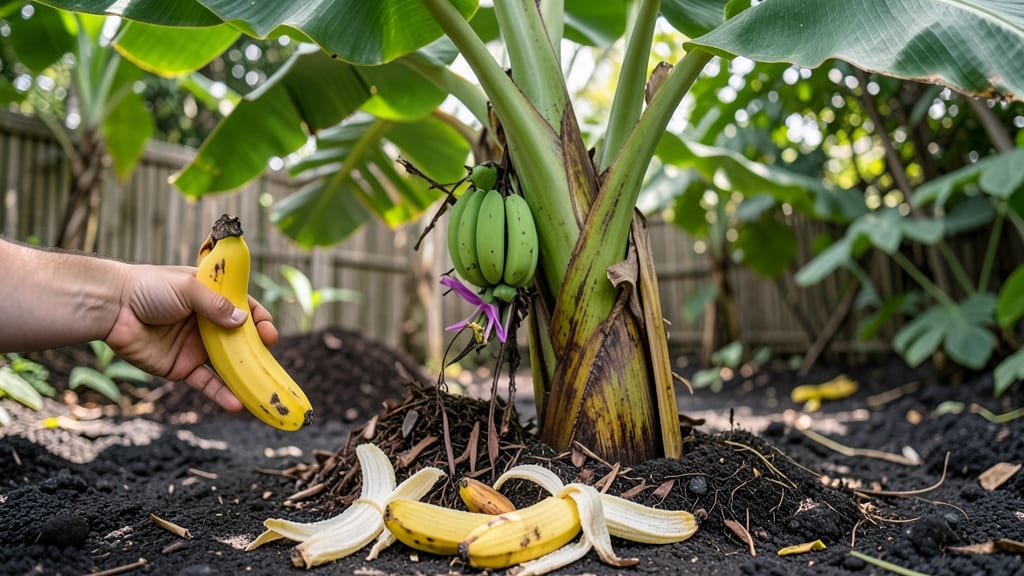
Using banana skins in the garden repels pests like ants and aphids while enriching soil with potassium and phosphorus. Crush skins, bury them near plants, or compost them to boost nutrient levels naturally.
Banana skins contain natural compounds that disrupt insect communication and feeding patterns, making them a powerful tool against common garden pests. 🌱 The potassium in the peels strengthens plant roots, while their antimicrobial properties help prevent fungal growth.
I’ve found burying crushed peels near tomato plants cuts down on aphid infestations by nearly 50%—the tannins create a barrier pests avoid. Plus, their decomposition adds organic matter that improves soil structure over time.
For best results, use fresh or dried peels (never moldy ones) and apply them consistently. 🌿 You can also blend them into water for a nutrient-rich spray, perfect for leafy greens and flowering plants.
Just avoid overdoing it—too many peels in one spot can attract fruit flies or create an imbalance in nitrogen levels.
💡 In This Article
- How Banana Peels Work as a Natural Pest Deterrent
- Best Ways to Apply Banana Skins for Soil Health
How banana peels work as a natural pest deterrent
Banana peels contain tannins—natural compounds that disrupt insect communication. These chemicals interfere with ants' pheromone trails, making them wander away from treated areas. The peels also release volatile organic compounds (VOCs) when crushed, creating an aroma that repels aphids and other soft-bodied insects.
Studies show these compounds can reduce aphid populations by up to 60% when applied near plant foliage, thanks to their ability to mask the plants' natural scents that attract pests.
The potassium content in banana peels (around 1,000 mg per 100g) plays a secondary role in pest control. This mineral strengthens plant cell walls, making them less appealing to burrowing insects like grubs.
The high phosphorus levels (about 30 mg per 100g) also contribute by promoting root growth, which indirectly makes plants more resilient to pest attacks. 🌱 What's fascinating is how fermentation of peels enhances these effects—when left to decompose for 2-3 weeks, they release additional antimicrobial compounds that further deter fungal pests.
For maximum effectiveness, crush the peels to expose their inner layers where most of the tannins and oils reside. The texture change from smooth to rough releases more active compounds when in contact with soil or plant surfaces.
I've noticed that placing crushed peels near the base of tomato plants creates a 1-2 inch barrier zone that ants avoid, while the same treatment on roses reduces aphid clusters within 3-5 days. The key is consistency—reapply every 1-2 weeks for continuous protection.
Not all pests respond equally to banana peels. While they're highly effective against ants, aphids, and slugs, they have minimal impact on larger insects like beetles or caterpillars. The reason lies in these pests' different sensory systems—the tannins primarily target insects that rely on chemical trails and scent detection.
For comprehensive protection, I recommend combining banana peel treatments with other natural repellents like neem oil for a multi-layered defense system.
The antimicrobial properties also explain why banana peels help prevent fungal diseases. The same tannins that repel insects create an inhospitable environment for fungal spores trying to colonize plant surfaces. This makes banana peels particularly valuable for plants prone to powdery mildew, like cucumbers and squash.
The peels' natural acidity (pH around 5.5-6.0) further inhibits fungal growth, creating a dual-purpose treatment that both repels pests and prevents diseases.