
Advice
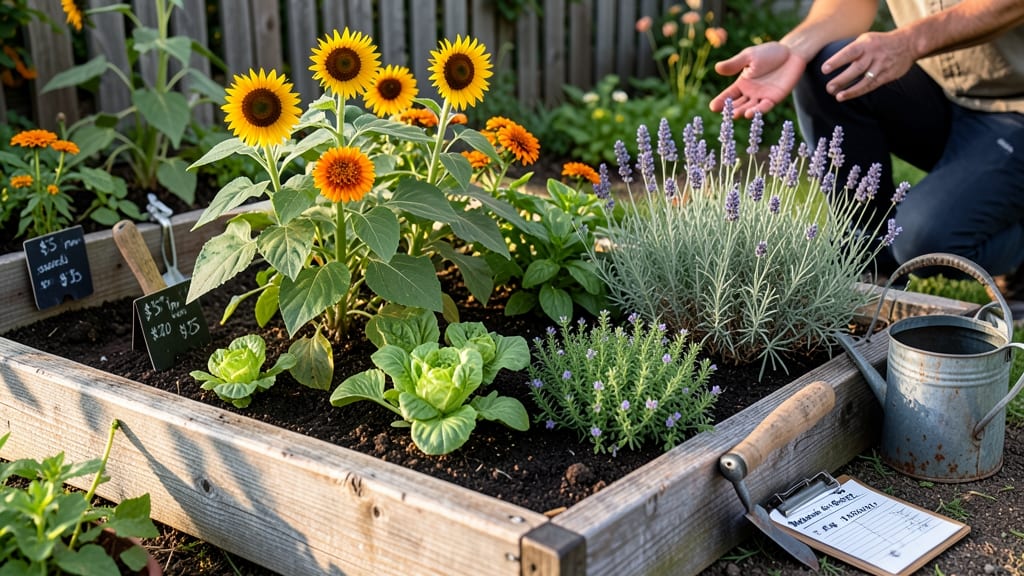
The average cost of starting a garden falls between $500 and $5,000+, based on factors like space, location, and materials. A modest 10x10-foot garden runs $200–$800, while larger backyard gardens (500+ sq ft) can easily surpass $2,000 when accounting for soil amendments, plants, tools, and irrigation.
Planning a garden's budget starts with understanding what drives costs.
A small urban plot might stay under $500 if you reuse containers and buy seeds, but a full backyard garden will push expenses higher due to soil prep, mulch, and irrigation systems. 💰 Regional differences matter too—plant starts cost more in colder climates, while labor rates vary by city.
I always recommend starting with a rough sketch of your space and prioritizing essentials like drainage and sunlight exposure before investing in decorative elements.
Another key factor is whether you DIY or hire help. Professional landscapers charge $30–$100 per hour for installation, while renting a tiller or buying tools upfront can save money over time. For example, a drip irrigation system might cost $200 initially but cut water bills by 30% annually.
Smart shoppers also time purchases—spring sales on perennials or fall discounts on mulch can shave hundreds off your total.
💡 In This Article
- Key Factors That Influence Garden Costs
- Budget-Friendly Ways to Reduce Garden Expenses
Key factors that influence garden costs
Garden expenses start with the size and layout of your space. A 10x10-foot raised bed costs around $200–$400 for lumber and soil, while a 500 sq ft in-ground plot jumps to $1,500–$3,000 due to soil testing, amendments, and labor. The key difference?
Raised beds require less soil volume but more material costs, while in-ground gardens need extensive soil prep but fewer materials. 🌱 For example, testing and amending 10 cubic yards of clay soil (common in many regions) can cost $300–$600 for compost and gypsum.
Location plays a massive role in pricing. In urban areas, container gardening (starting at $50 for pots) is common, while rural zones often have cheaper land but higher irrigation costs. Plant prices also vary—seed packets ($1–$3) vs. mature transplants ($5–$20 each) can double your plant budget.
Labor rates differ too: A landscaper in San Francisco charges $75–$120/hour, while in Midwest towns, you might find help for $30–$50/hour. Hidden costs like permit fees ($50–$200) for hardscaping or water hookups ($100–$500) often catch beginners off guard.
Your approach—DIY vs. professional—drastically affects costs. Renting a tiller ($75/day) or buying one ($300–$800) saves money over time, while hiring pros for irrigation installation ($1,000–$3,000) eliminates guesswork.
For instance, a drip system for a 100 sq ft bed costs $150–$300 in supplies but saves 30% on water bills annually. Even small choices add up—a mulch layer (2–3 inches) costs $50–$150 but suppresses weeds and retains moisture, cutting future labor.
Climate and seasonality introduce another layer. In Zone 5–7, cold-hardy perennials (like lavender or coneflowers) cost $8–$15 each but thrive for years, while tropical plants (e.g., hibiscus) require $20–$50 and winter protection.
Timing purchases matters too—spring sales on bulbs ($0.50–$3 each) or fall discounts on mulch (30–50% off) can slash expenses. For example, buying 100 tomato plants in May might cost $150, but the same in July could be $250 due to higher demand.
Don’t overlook long-term investments like soil health. A $200 compost bin pays off in 3–5 years by reducing fertilizer costs. Similarly, native plants (e.g., black-eyed Susans) require less water and care than non-natives, saving $100–$300 annually in maintenance.
The upfront math? A $1,000 garden might cost $300/year to maintain, while a $3,000 garden could run $800/year—the difference lies in how you prioritize quality over quantity.
Pro tip: Start with a shadow analysis—map sunlight patterns in your yard for 6 hours before buying plants. This avoids costly mistakes like planting shade-loving ferns in full sun. 💡 A $50 mistake (wrong plant placement) can turn into a $200 fix if you’re not careful.