
Tools
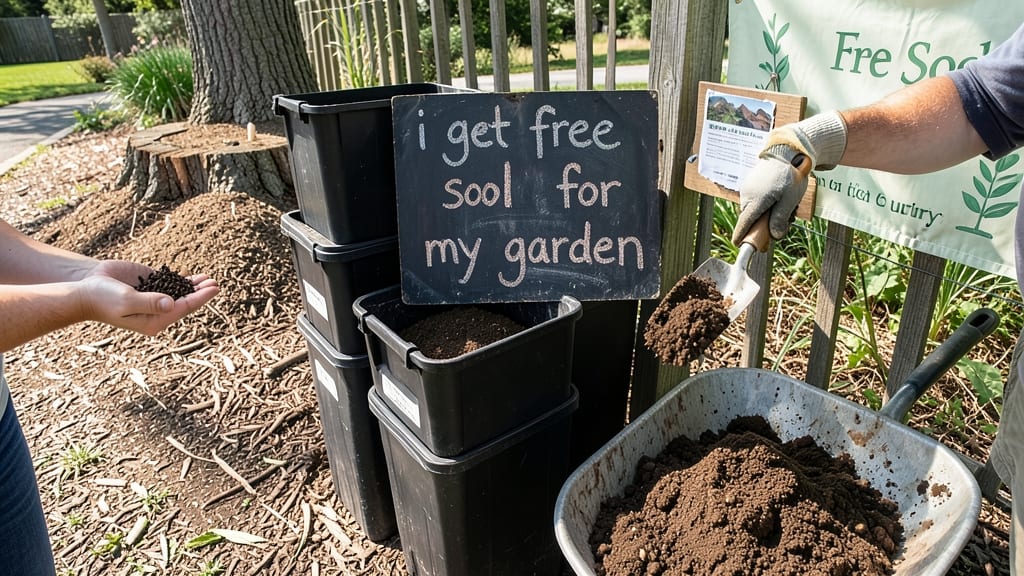
To get free soil for your garden, check local construction sites for discarded topsoil, ask neighbors or nearby farms for compost-rich dirt, or join gardening groups where members share excess soil. Always verify legality and safety before using any source.
Getting free soil for gardening is easier than you think, especially if you know where to look.
Construction sites often have excess topsoil they're happy to give away, as long as you ask politely and confirm it hasn't been treated with chemicals. 🌱 Neighboring farms or homesteads frequently have extra compost-rich soil they'd be willing to share for a small favor, like helping with their own garden projects.
Local gardening clubs and online platforms like Facebook Marketplace also create opportunities for swapping soil—just be sure to inspect it for weeds or contaminants before bringing it home.
One of my favorite methods is joining gardening groups on social media, where members often post about excess soil they're giving away.
Just remember to always verify the source—soil from construction sites should be free of debris, and compost from farms should be well-aged to avoid introducing pests to your garden.
💡 In This Article
- Legal Ways to Obtain Free Soil from Construction and Landscaping Sites
- Community Swaps and Online Platforms for Sharing Garden Soil
Legal ways to obtain free soil from construction and landscaping sites
Construction sites often have piles of topsoil they need to dispose of—sometimes for free—because it's considered waste material after excavation. The key is timing: most companies remove topsoil before pouring concrete foundations, so they'll have fresh, uncontaminated dirt ready for pickup between March and October when building season peaks.
Always ask the site foreman about their disposal policy, as some may require you to haul it away yourself (using a wheelbarrow or truck) while others will load it for you.
Demolition projects are another goldmine, especially when old homes or buildings are being torn down. The soil beneath foundations often remains undisturbed and may contain valuable compost from decades of organic matter decomposition.
Look for sites where crews have already removed debris but haven't yet backfilled with clean topsoil. 🌿 Safety is critical here—never take soil from sites with visible asbestos, paint chips, or chemical spills.
A quick phone call to the site supervisor can reveal if their soil has been tested for contaminants.
Landscaping companies frequently have excess soil after installing gardens or grading yards. Many will donate it to community gardens or homeowners who ask politely. I've found that smaller, family-owned businesses are more likely to give away soil than large corporations.
Bring a 5-gallon bucket or tarp to collect samples, and always ask if the soil contains fresh mulch or treated wood chips—which can introduce weeds or harmful chemicals to your garden.
City ordinances often require construction companies to remove topsoil during projects, creating opportunities for free soil. Some municipalities even have "soil banks" where excess dirt is stored for community use.
Check with your local city hall or environmental department—they can point you to legal sources and may require a simple permit for large quantities (typically over 10 cubic yards).
Always verify the soil hasn't been treated with herbicides or pesticides, as construction sites sometimes use pre-emergent chemicals to prevent weed growth during projects.
Pro tip: Construction sites often have different soil layers—surface topsoil (rich in organic matter) and subsoil (clay-heavy). Ask for the top 6-12 inches of soil, as this contains the most nutrients for your garden. The texture should be crumbly and dark brown, not compacted or grayish.
If you're unsure about quality, mix it with your existing soil at a 1:1 ratio to test its performance before committing to large quantities.