
How To
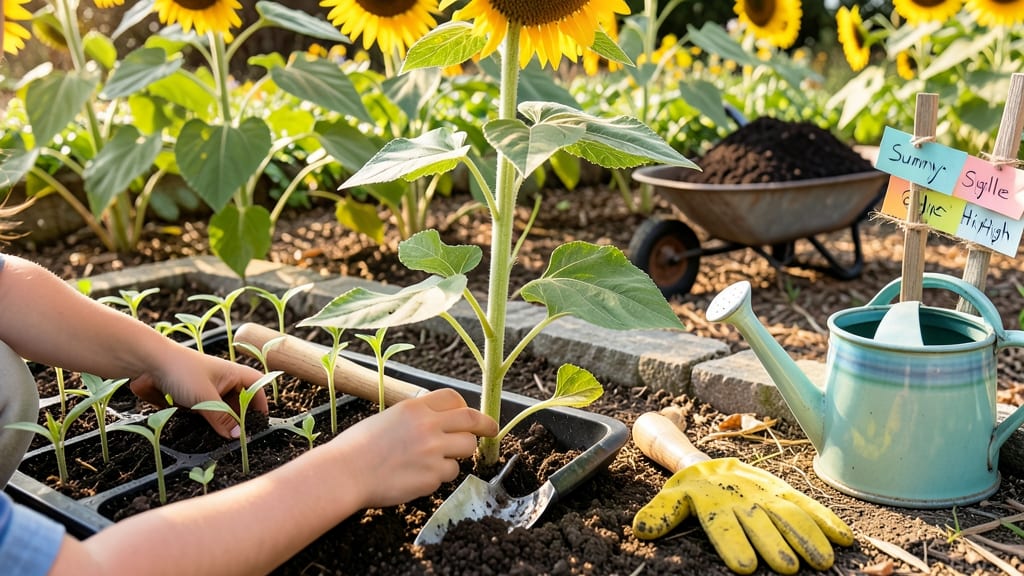
Children’s garden projects using recycled materials spark creativity while teaching sustainability, like turning plastic bottles into planters or creating fairy gardens from cardboard boxes and egg cartons for seed starters.
These projects do more than just repurpose household items—they turn everyday objects into hands-on learning tools. 🌱 Kids develop problem-solving skills by figuring out how to adapt containers, while sensory play with soil and seeds builds fine motor skills.
Plus, watching plants grow from recycled planters teaches them how small actions impact the environment. I’ve seen even toddlers light up when they realize a milk jug can become a home for flowers!
For younger kids, start with simple sensory bins using shredded paper or fabric scraps mixed with soil. Older children can tackle more complex builds like vertical gardens using wooden pallets or seed bombs made from clay, soil, and wildflower seeds.
The key is matching projects to their attention spans and abilities—every child can contribute, no matter their age.
💡 In This Article
- How Recycled Materials Boost Kids’ Learning in Gardening
- Top 5 Easy Recycled Garden Projects for Kids by Age Group
How recycled materials boost kids’ learning in gardening
Recycled materials transform gardening into a multi-sensory learning experience that engages both the brain and the hands. When kids repurpose items like plastic bottles or egg cartons, they’re not just creating planters—they’re solving real-world problems. This kind of hands-on problem-solving strengthens cognitive skills, particularly in spatial reasoning and resourcefulness.
For example, cutting a plastic bottle into a planter requires measuring, marking, and cutting—skills that mirror early math and engineering concepts. 💫
The tactile nature of working with recycled materials also enhances fine motor skills in ways traditional gardening might not. Squeezing soil into a repurposed tin can or painting a cardboard box for a fairy garden involves precise hand movements that build coordination.
Studies show children who engage in sensory play with natural materials (like soil, seeds, or water) develop better hand-eye coordination, which translates to improved writing and drawing abilities later on.
Beyond physical development, recycled gardening projects foster eco-awareness by making sustainability tangible. When kids see a plastic bottle become a home for a sunflower, they connect the dots between waste reduction and plant growth.
This connection is reinforced through observation—they’ll notice how the bottle’s shape affects drainage or how sunlight hits different sides of their DIY planter. For instance, a clear plastic bottle lets them track water levels and root development, turning science into a visible, interactive lesson. 🌱
Age-appropriate projects also build confidence and responsibility. Younger children might focus on filling containers with soil, while older kids can experiment with seed placement or watering schedules.
The act of caring for a plant grown in a recycled container teaches patience and cause-and-effect relationships—like how often watering affects leaf growth. These lessons stick because they’re rooted in personal, hands-on experiences rather than abstract explanations.
Consider the sensory benefits too: the smell of fresh soil, the sound of seeds being planted, and the texture of recycled materials all create a rich learning environment.
A cardboard egg carton filled with herbs, for example, lets kids smell basil or mint up close, while a painted tin can planter adds visual appeal. These multi-sensory elements keep children engaged longer and help them retain lessons about plant life cycles and sustainability. 🌿
What’s often overlooked is how these projects encourage collaboration. Kids working together to decorate a pallet garden or assemble a fairy house develop communication skills and learn to divide tasks.
The shared accomplishment of seeing their creation grow into a thriving garden reinforces teamwork and pride in their contributions. It’s a lesson in both creativity and community.
For parents and educators, the beauty lies in how these projects adapt to any space—whether it’s a windowsill, balcony, or backyard. The materials are free, the lessons are endless, and the impact on a child’s development is profound. Every recycled planter becomes a tiny classroom where curiosity meets sustainability. ✨