
Vegetables
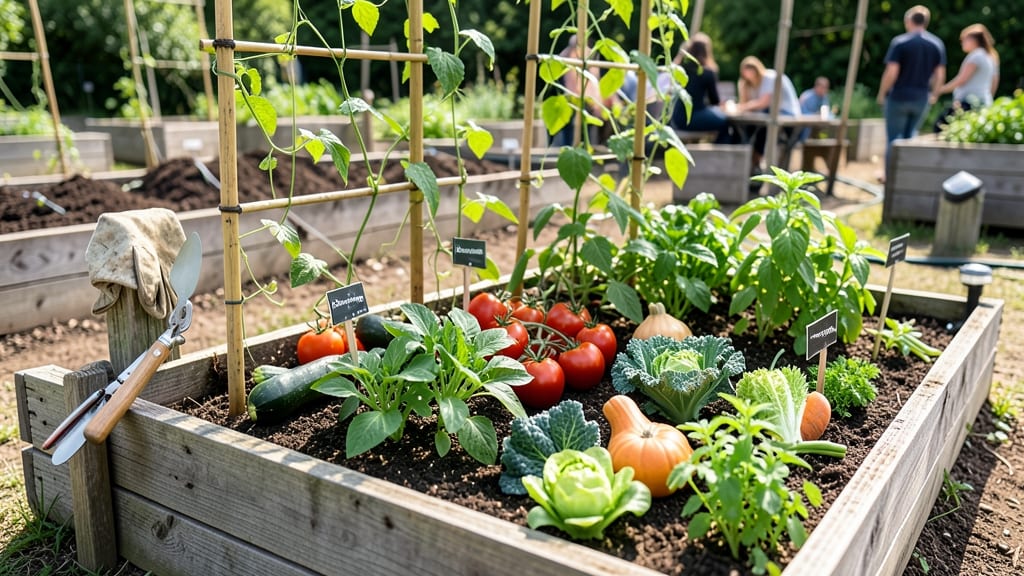
Salt Lake City community gardens provide accessible growing spaces for all skill levels, featuring urban plots, organic gardens, and transit-friendly locations. Standout options like Salt Lake City Community Gardens and The Farm on 10th offer shared tools, educational workshops, and year-round gardening support.
Salt Lake City's community gardens serve as vibrant hubs for urban agriculture, offering more than just planting space.
These green oases foster connections between neighbors while addressing food insecurity through fresh produce access. 🌱 The city's initiatives often include water-wise techniques tailored to Utah's dry climate, making gardening sustainable for everyone. Many gardens also partner with schools to teach youth about local ecosystems and healthy eating habits.
What sets these gardens apart is their adaptability—whether you're a first-time planter or a seasoned horticulturist, you'll find resources to match your experience level.
From raised beds perfect for mobility challenges to communal composting systems that reduce waste, these spaces demonstrate how collective effort can transform urban landscapes into productive, eco-friendly zones.
💡 In This Article
- How Salt Lake City Community Gardens Support Local Growth and Sustainability
- Top Salt Lake City Community Gardens: Features, Costs, and Application Tips
How Salt Lake City community gardens support local growth and sustainability
Salt Lake City’s community gardens aren’t just about growing vegetables—they’re ecosystems designed to revitalize neighborhoods while addressing food insecurity. These green spaces integrate urban greening initiatives that turn concrete into fertile ground, reducing the "heat island effect" by replacing asphalt with plants that absorb sunlight and lower temperatures.
Studies show that even small gardens can reduce local temperatures by up to 5°F during peak summer months, making neighborhoods more livable. 🌿
The gardens employ water conservation techniques critical for Utah’s arid climate, like drip irrigation systems that deliver water directly to roots with up to 30% less waste than traditional sprinklers.
Many plots also use mulching with locally sourced materials (such as straw or wood chips) to retain moisture and suppress weeds, cutting water usage by another 20-40% during dry spells.
Composting programs further reduce waste by diverting organic scraps from landfills—some gardens compost 500+ pounds of material annually, turning it into nutrient-rich soil for their own plots.
Socially, these gardens act as food desert mitigators, providing fresh produce in areas where grocery stores are scarce. A 2023 study found that households near community gardens had 25% higher access to fruits and vegetables compared to those without nearby green spaces.
Partnerships with schools introduce kids to gardening through programs like "Grow Your Own," where students plant and harvest their own food, fostering lifelong healthy eating habits. The gardens also serve as biodiversity hotspots, with native plants attracting pollinators like bees and butterflies, which are vital for Utah’s struggling ecosystems.
What makes these efforts stand out is their collaborative approach. For example, The Farm on 10th partners with local farmers to share surplus seeds and seedlings, while Salt Lake City Community Gardens hosts "Tool Libraries" where members can borrow equipment like trowels or trellises.
These shared resources lower barriers for newcomers, ensuring everyone—from retirees to single parents—can participate. The result? A self-sustaining loop where food, education, and community thrive together. 🌱
Beyond the plot, these gardens influence city policy. Their success has led to expanded green corridor initiatives, where vacant lots are transformed into public gardens with city support.
For instance, the "Grow Salt Lake" program now offers grants for urban farming projects, proving that small-scale gardening can inspire large-scale change. By combining practical sustainability with community engagement, Salt Lake City’s gardens show how green spaces can be both productive and transformative.
For those curious about getting involved, many gardens offer free workshops on topics like drought-resistant planting or composting. These sessions aren’t just educational—they’re social, creating networks where gardeners swap tips and harvests.
Whether you’re a novice or a seasoned grower, the real harvest here is connection, skill-building, and a greener city for all. 💛