
Aphids
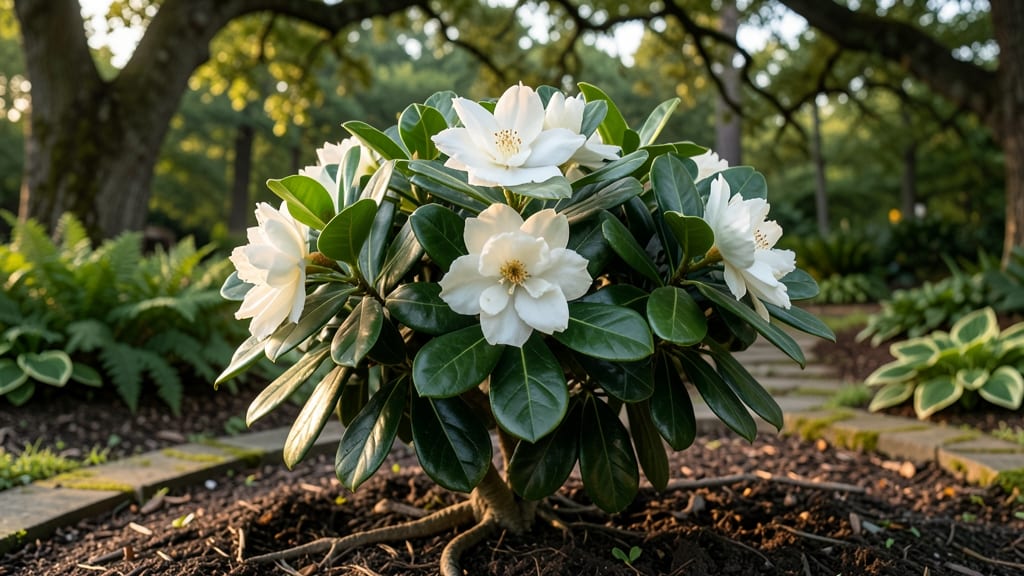
Understanding a gardenia’s mature height and width is the game-changer for pruning, spacing, and keeping your shrub lush and blooming.
If you’ve ever struggled to keep your gardenia looking its best, it’s likely because you’re working with the wrong growth expectations for its variety. What looks like a leggy mess might just be a dwarf variety stretching for light—or a standard shrub that needs a strategic prune to stay compact.
From 2-foot dwarf varieties that thrive in containers to towering 6-foot standards that need room to breathe, each gardenia grows differently. Below, I break down the exact height and width ranges by type, plus how sunlight, pruning, and soil affect their shape.
You’ll learn how to plan your garden layout, choose the right variety for your space, and prune for healthier blooms—without guessing whether to snip or step back.

Gardenia height and width by variety: growth charts for pruning planning
Understanding your gardenia’s mature height and width is essential for planning pruning and creating a thriving garden layout. Different varieties grow at distinct rates, and knowing their potential size helps you space plants properly for airflow and sunlight—both critical for abundant blooms.
Whether you’re growing a standard gardenia or a compact variety, these growth charts will guide your pruning schedule and garden design.
Gardenia plants typically reach their full height within 3-5 years, but their growth rate depends on variety, soil conditions, and sunlight exposure. For example, Gardenia jasminoides (the most common type) can grow 4-6 feet tall with a similar spread, while dwarf varieties stay under 3 feet.
Proper spacing ensures each plant gets enough nutrients and light to flourish.
Here’s a quick reference for common gardenia varieties, including their mature height, width, and ideal spacing for optimal growth:
| Variety | Mature Height | Mature Width | Growth Rate | Ideal Spacing |
|---|---|---|---|---|
| Gardenia jasminoides (Standard) | 4-6 ft | 4-6 ft | Moderate | 5-6 ft apart |
| Gardenia augusta (Dwarf) | 2-3 ft | 2-3 ft | Slow | 3-4 ft apart |
| Gardenia radicans (Creeper) | 1-2 ft | 3-5 ft (spreading) | Slow to moderate | 4-5 ft apart |
| Gardenia fortuniana (Semi-Dwarf) | 3-4 ft | 3-4 ft | Moderate | 4-5 ft apart |
| Gardenia veitchii (Tall) | 6-8 ft | 5-7 ft | Fast | 7-8 ft apart |
When planning your garden, consider the spread of gardenias as much as their height. For example, Gardenia radicans spreads horizontally, making it perfect for ground cover or container gardening, while Gardenia veitchii grows tall and needs extra space to avoid crowding.
Always plant gardenias at least 3 feet away from structures to prevent root competition and improve airflow, reducing the risk of fungal diseases.
If you’re growing gardenias in containers, choose a pot that’s at least 12-18 inches wide and deep for dwarf varieties, or 20+ inches for standard types. Containers restrict root growth, so prune more aggressively to maintain size and encourage bushier growth.
Use a well-draining, acidic potting mix to support healthy root development and blooming.
Pruning is the best way to control gardenia size, but timing matters. For standard varieties, prune lightly in late winter or early spring to shape the plant before new growth begins. For dwarf varieties, prune after blooming to maintain their compact form.
Always use sterilized pruning shears to avoid spreading disease, and remove no more than 1/3 of the plant’s foliage in a single session.
Light exposure plays a huge role in gardenia growth. While they thrive in partial shade, too little light can stunt growth and reduce blooming. Place your gardenias where they get morning sun and afternoon shade, especially in hot climates.
If you notice leggy growth, it’s a sign they need more light or a lighter pruning to encourage bushier habits.
Soil acidity is another critical factor. Gardenias prefer a
How to prune gardenias based on their natural growth habits
Pruning gardenias isn’t just about trimming back overgrowth—it’s about working with their natural growth habits to encourage stronger blooms and healthier foliage. Since gardenias grow at different heights and widths depending on their variety, a one-size-fits-all approach rarely works.
For example, a 6-foot standard gardenia needs aggressive shaping, while a 2-foot dwarf only requires light maintenance.
I’ve learned the hard way that pruning at the wrong time—like after the first frost or during peak bloom—can stunt growth or reduce flowering. The key is timing: spring pruning for shaping and post-bloom pruning to remove spent flowers.
This ensures your gardenia stays compact, well-lit, and ready for next year’s blooms.
Before you grab your shears, gather these essential tools: sterilized pruning shears for clean cuts, sharp bypass pruners for thicker branches, and rubbing alcohol to disinfect tools between cuts.
Avoid dull tools—they crush stems and invite disease. And always prune on a dry, sunny day to reduce stress on the plant.
⚠️ Mistake: Over-Pruning Tall Varieties
Standard gardenias (4–6 ft) can handle 30% annual pruning, but cutting back more than 25% of foliage at once stresses the plant. Dwarf varieties (2–3 ft) need only light trimming—over-pruning stunts blooms. Always prune just outside a leaf node to encourage new growth.
Start by removing dead or crossing branches first—they compete for sunlight and nutrients. Next, focus on thinning out dense areas to improve airflow, which prevents fungal diseases like powdery mildew.
For a bushier shape, prune the outer branches slightly more than the inner ones. This creates a rounded canopy that catches morning sunlight for even blooming.
Timing matters more than you’d think. Prune standard gardenias in late spring (after the last frost) to shape for summer growth. For dwarf varieties, a light trim in early spring keeps them compact.
Never prune after mid-summer—new growth won’t harden off before winter, leaving your plant vulnerable to cold damage.
One of my biggest pruning fails? Ignoring the 3/4 rule: never remove more than 25% of the plant’s height or width in a single season. I once trimmed back a 5-foot gardenia by 40% for a "neater look"—it took two years to recover!
Instead, aim for gradual shaping over multiple seasons to maintain a natural, balanced form.
After pruning, water deeply and apply a balanced acid fertilizer (10-10-10) to support new growth. Mulch around the base with pine bark to retain moisture and acidify the soil—gardenias thrive in pH 5.0–6.5.
With the right approach, your gardenia will reward you with fragrant blooms all summer long! 🌸